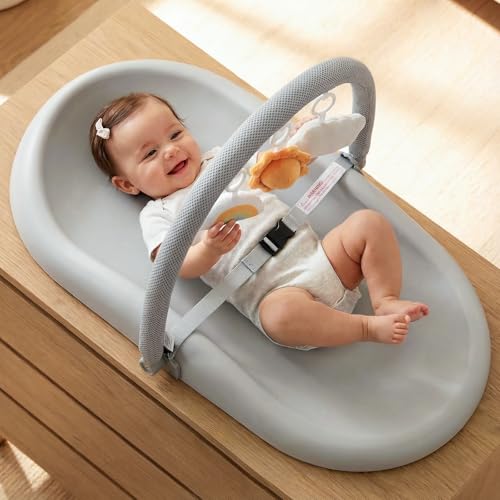
Nursery Style Wipe Clean Changing Pad
Keep your baby's changing station hygienic, comfortable, and beautifully coordinated with a wipe clean changing pad that fits your nursery aesthetic.
Explore the GuideWhy a wipe clean changing pad matters: New parents quickly learn that diaper changes happen dozens of times a day. A wipe clean changing pad with a smooth, non-porous surface lets you sanitize the changing area in seconds, reduces laundry loads, and keeps your nursery smelling fresh. This guide walks you through materials, safety features, sizing, and design so you can choose a pad that is both practical and stylish.
Why a Wipe Clean Changing Pad Belongs in Every Nursery
A wipe clean changing pad is more than a convenience — it is a hygiene cornerstone of your nursery. Traditional fabric covers absorb moisture and require frequent machine washing, which adds to the already heavy laundry load of a newborn household. A wipe clean surface, by contrast, can be disinfected after each change with a damp cloth or baby-safe wipe, helping to limit the spread of bacteria and odors. Many parents pair a wipe clean pad with a soft, removable cover for comfort, giving them the best of both worlds: a cozy surface for the baby and an easy-clean base for the parent.
Beyond hygiene, a well-chosen wipe clean changing pad contributes to the overall design of your nursery. Modern pads come in neutral tones, soft pastels, and textured finishes that coordinate with nursery rugs, nursery window treatments, and nursery storage units. The result is a changing station that feels intentional and calm rather than clinical.
Key Features to Look For
Non-Porous Surface
The outer layer should be smooth and waterproof so that spit-up, diaper leaks, and cream residue wipe away without soaking in. Look for sealed edges and a surface that does not crack or peel after repeated cleaning.
Contoured or Flat Shape
Contoured pads with raised sides help keep a wriggling baby centered, while flat pads offer more usable surface area. Choose based on your changing table style and your baby's age.
Safety Strap and Non-Skid Base
A safety strap with a quick-release buckle and a non-skid bottom are essential. They prevent the pad from sliding and give you a free hand to manage supplies.
Firm, Supportive Padding
The pad should be firm enough to support your baby without sinking. Foam density matters: a mid-range or premium pad typically offers better shape retention over months of daily use.
Easy-to-Clean Edges
Sealed seams and rounded corners prevent debris from collecting. Avoid pads with exposed stitching that can fray or trap moisture.
Coordinated Design
Neutral colors, matte finishes, and subtle textures help the pad blend with your nursery theme. Many families choose a pad that matches their nursery rocking chair or nursing chair upholstery.
Wipe Clean Changing Pad Tiers at a Glance
Changing pads generally fall into three market tiers. The table below compares them by construction, features, and best use case. Use it to match a pad to your changing table and daily routine.
| Tier | Construction | Typical Features | Best For |
|---|---|---|---|
| Entry-level | Thin foam core with a basic wipe clean vinyl or PEVA cover | Flat shape, simple safety strap, lightweight | Secondary changing stations, travel, or short-term use |
| Mid-range | Denser foam with a textured, sealed wipe clean surface | Contoured sides, non-skid base, quick-release strap, reinforced edges | Primary nursery use with daily, long-term wear |
| Premium | High-density foam or dual-layer construction with a premium wipe clean finish | Deep contours, soft-touch surface, secure anchoring system, design-coordinated colors | Design-focused nurseries and families planning for multiple children |
Buying Checklist Before You Decide
- Measure your changing table: Confirm the pad's length and width fit the table surface with little movement. Standard pads are often around 16 by 32 inches, but sizes vary.
- Check the surface material: Look for PVC-free, phthalate-free, and lead-free materials. A sealed, non-porous finish is easier to sanitize.
- Test the strap and base: A safety strap should be long enough to secure comfortably, and the bottom should grip the table without sliding.
- Consider a removable cover: A soft fabric cover adds comfort for the baby and can be washed separately, while the wipe clean pad underneath handles messes.
- Plan for storage: Keep wipes, diapers, and cream within arm's reach. A nearby nursery storage unit or basket makes changes smoother.
- Think about longevity: A mid-range or premium pad with a firm core tends to hold its shape longer, making it a worthwhile long-term investment for a primary changing station.
Setting Up and Caring for Your Changing Pad
Place the pad on a flat, stable surface and secure it with the safety strap or anchoring system. If your changing table has a raised rim, make sure the pad sits inside it rather than overhanging. Keep the changing station away from drafts and direct sunlight, and position it so you can reach supplies with one hand while keeping the other on your baby.
For daily care, wipe the surface with a damp cloth or baby-safe wipe after each change. Once a week, clean more thoroughly with mild soap and water, then dry completely before use. Avoid abrasive cleaners or solvents that could degrade the wipe clean layer. Inspect the pad regularly for cracks, peeling edges, or loose straps, and replace it if the surface is no longer sealed.
If you use a fabric cover, rotate between two covers so one is always available while the other is in the wash. Pair the changing station with a comfortable nursing pillow nearby for post-change feeding sessions, and keep a nursing cover within reach if you breastfeed.
Coordinating Your Changing Pad with Nursery Style
A wipe clean changing pad does not have to look utilitarian. Many designs now come in muted sage, warm taupe, soft blush, and classic white, allowing the pad to blend into a range of nursery palettes. If your nursery leans toward a calm, minimalist look, choose a pad with clean lines and a matte finish. For a warmer, textured aesthetic, look for a pad with a subtle embossed pattern or a coordinating fabric cover.
Consider how the changing station relates to the rest of the room. A nursery room rocking chair or a rocking chair for small spaces can anchor the feeding corner, while a nursery rug softens the floor beneath the changing area. A well-planned layout makes nighttime changes safer and more efficient.
Ready to Upgrade Your Changing Station?
Browse our curated selection of wipe clean changing pads and nursery essentials to find the right fit for your space and style.
View Recommended ProductsFrequently Asked Questions
What is a wipe clean changing pad?
A wipe clean changing pad is a baby changing surface with a smooth, non-porous outer layer that can be wiped down with a damp cloth or baby-safe cleaner. This design eliminates the need to wash a fabric cover after every change and helps maintain hygiene in the nursery.
Are wipe clean changing pads safe for newborns?
Yes, when used correctly. Choose a pad with a firm, flat surface, raised edges for containment, and a safety strap. Always keep one hand on your baby during changes and never leave them unattended on a changing table.
How do I clean a wipe clean changing pad?
Wipe the surface with a damp cloth or baby-safe disinfectant after each use. For deeper cleaning, follow the manufacturer's instructions, which may include mild soap and water. Avoid harsh chemicals that could irritate your baby's skin or degrade the surface.
Can a wipe clean changing pad fit different changing tables?
Many wipe clean pads come in standard sizes with contoured shapes or adjustable straps. Check the pad's dimensions against your changing table's surface area, and look for models with non-skid bottoms or safety straps for a secure fit.