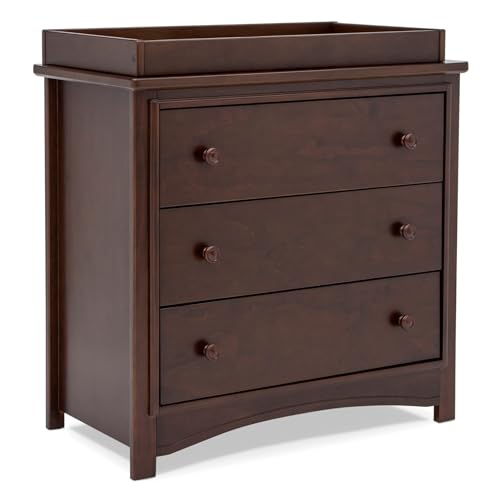
Nursery Dresser and Changing Table: The Complete Buying Guide
Everything you need to know about choosing a combined nursery dresser and changing table — from safety standards and storage capacity to design styles and long-term usability.
EXPLORE TOP PICKSWhy a combined dresser and changing table? A nursery dresser with an integrated changing table is one of the smartest furniture investments for new parents. It consolidates two essential functions into one footprint, keeps diapering supplies within arm's reach, and transitions into a standalone dresser once your baby is out of diapers — making it a long-term piece that grows with your child.
Why Choose a Nursery Dresser and Changing Table Combo?
Space in a nursery is precious. Combining a dresser with a changing table eliminates the need for two separate pieces of furniture, freeing up floor space for a crib, glider, or play area. Beyond space efficiency, a combined unit offers practical advantages that parents quickly come to appreciate.
- Convenience: Diapers, wipes, creams, and fresh clothes are all stored in the same unit, so you never have to leave your baby unattended during a diaper change.
- Organization: Deep drawers and open shelves keep everything categorized and accessible, reducing middle-of-the-night fumbling.
- Longevity: Once the changing pad is removed, the unit functions as a standard dresser for years to come.
- Aesthetic cohesion: A single matched piece creates a cleaner, more intentional nursery design than mismatched furniture.
If you are still mapping out your nursery layout, our guide to nursery layout ideas can help you determine the best placement for your dresser and changing station relative to the crib and feeding chair.
Key Factors to Consider Before Buying
Not all nursery dressers are built the same. Before you commit, evaluate these critical factors to ensure you choose a unit that is safe, functional, and suited to your space.
1. Safety Standards and Stability
Safety is non-negotiable when it comes to nursery furniture. Look for dressers that meet current safety standards and include anti-tip hardware. Any dresser taller than 30 inches should be anchored to the wall, especially in a nursery where a curious toddler may eventually climb on open drawers.
- Check for a tip-over restraint kit included in the box.
- Look for rounded edges and corners to prevent injuries.
- Ensure the changing surface has raised sides or a safety strap.
- Avoid units with sharp hardware or exposed screws.
For a broader look at safe furniture choices, explore our recommendations for non-toxic nursery furniture.
2. Changing Surface Design
The changing area should be at a comfortable height — typically around waist level for the average adult — to prevent back strain during frequent diaper changes. A contoured changing pad with a safety strap is essential. Many dressers accommodate a standard 16" x 32" changing pad, but check the dimensions of both the dresser top and the pad before purchase.
Some units feature a removable changing topper that can be lifted off later, leaving a flat dresser surface. Others have a recessed changing area built directly into the top. Consider which style aligns with your long-term plans.
3. Storage Capacity and Configuration
Think about what you will store and how you want to access it. A typical nursery dresser combines:
- Deep drawers: Ideal for folded clothes, blankets, and bedding.
- Shallow drawers: Perfect for diapers, wipes, and small accessories.
- Open shelves: Useful for quick-grab items like burp cloths or thermometers.
- Side cabinets: Good for bulk storage of diapers or out-of-season clothing.
If you prefer a dresser with more drawer space and a separate changing area, consider a nursery chest of drawers with changing table configuration. For a standalone dresser option, our nursery dresser guide covers styles and storage configurations in detail.
4. Material and Build Quality
The material affects durability, safety, and visual appeal. Common options include:
- Solid wood (maple, oak, pine): Durable and long-lasting, often at the premium or luxury tier.
- Engineered wood (MDF, particleboard): Common in entry-level and mid-range units; look for CARB-compliant or low-VOC finishes.
- Metal frames: Less common in dressers but found in some industrial-style designs; heavy-duty and rust-resistant when properly coated.
Pay attention to drawer glides — metal ball-bearing slides offer smoother operation than plastic rollers. Dovetail joints indicate sturdier drawer construction than stapled or glued joints.
5. Size and Footprint
Measure your nursery space carefully before ordering. A standard dresser-and-changing-table combo is typically 30–40 inches wide, 18–20 inches deep, and 36–42 inches tall. Account for clearance around the unit — you will need room to open drawers fully and stand comfortably while changing your baby.
If your nursery is compact, a narrow dresser with a removable changing topper can be a smarter choice than a wide, low-profile unit. Conversely, a larger room can accommodate a wide dresser with side cabinets for maximum storage.
6. Style and Design
The dresser should complement your nursery's overall aesthetic. Popular styles include:
- Traditional: Raised panel details, turned legs, and classic hardware.
- Modern: Clean lines, flat fronts, and minimalist handles.
- Farmhouse: Beadboard panels, distressed finishes, and cup pulls.
- Scandinavian: Light wood tones, tapered legs, and functional simplicity.
For a cohesive look, explore neutral nursery decor ideas that pair well with a variety of dresser styles.
Dresser and Changing Table Styles Compared
Use this comparison table to quickly understand the trade-offs between common configurations. We use tier descriptors instead of price points to help you evaluate relative market positioning.
| Configuration | Best For | Storage | Tier Positioning |
|---|---|---|---|
| Dresser with removable changing topper | Parents who want a dresser that transitions to a standalone unit | Moderate to high (multiple drawers) | Mid-range to premium |
| Dresser with built-in recessed changing area | Families who want a dedicated changing station that stays in place | Moderate (drawers plus open shelf) | Entry-level to mid-range |
| Chest of drawers with changing table top | Nurseries needing maximum vertical storage | High (tall stack of drawers) | Mid-range to high-end tier |
| Wide dresser with side cabinets | Larger nurseries with room for a broad footprint | Very high (drawers plus cabinets) | Premium to luxury |
| Compact dresser with fold-down changing surface | Small nurseries or shared bedrooms | Low to moderate | Starter tier to mid-range |
Setting Up Your Changing Station
Once you have chosen your dresser, setting up an efficient changing station is the next step. Here is a practical checklist to keep everything you need within reach:
- Changing pad: A contoured pad with a washable cover and safety strap.
- Diaper storage: A basket or drawer organizer stocked with diapers.
- Wipes and creams: Keep them in a caddy or open bin on the dresser top.
- Burp cloths: A small stack for quick cleanups.
- Spare outfit: One or two onesies in the top drawer for middle-of-the-night changes.
- Trash receptacle: A small diaper pail or lined bin beside the dresser.
- Night light: A soft-glow light so you can change your baby without fully waking them.
For more nursery organization ideas, see our nursery furniture overview and nursery furniture sets guide.
Safety Reminders for Every Parent
Even the safest dresser requires proper use. Keep these reminders in mind:
- Always anchor to the wall. Use the provided anti-tip kit, even if your child is not yet mobile.
- Never leave your baby unattended on the changing surface, even for a second.
- Keep one hand on your baby at all times during a diaper change.
- Do not place heavy items on the top shelf of a dresser that could fall.
- Check for recalls regularly and inspect hardware for looseness.
- Teach toddlers not to climb on drawers once they are mobile.
Complementary Nursery Furniture
Your dresser and changing table do not exist in isolation. Consider how they coordinate with other key pieces:
- A comfortable nursery glider recliner for feeding and soothing.
- A nursery bookshelf for bedtime stories and display.
- A newborn crib that matches the dresser's finish and style.
- A rocking chair for the nursery if you prefer a traditional soothing seat.
Frequently Asked Questions
What height should a changing table be?
A changing surface should sit around waist height for the primary caregiver — typically 36 to 42 inches from the floor. This reduces back strain during frequent diaper changes. If two caregivers of very different heights share the duty, choose a height comfortable for the taller person and use a step stool if needed.
Can I use a regular dresser as a changing table?
Yes, you can add a contoured changing pad with a safety strap to a sturdy, appropriately sized dresser. However, you must ensure the dresser is anchored to the wall, has a surface large enough to fully support the pad, and does not have a lip or edge that prevents the pad from sitting flat. A dedicated combo unit is generally safer because the changing surface is designed for that purpose.
How long will my baby use the changing table?
Most families use a changing table until their child is around 18 to 24 months old, or until the child is too active to lie still on a changing surface. After that, the changing pad can be removed and the unit continues as a standard dresser for years.
Do I need a changing table with drawers or open shelves?
Drawers keep items concealed and dust-free, which is preferable for clothing and blankets. Open shelves are convenient for frequently used items like diapers and wipes but can look cluttered. Many parents prefer a mix: drawers for clothing and shelves for diapering supplies. If you choose open shelves, use fabric bins to keep the look tidy.
What is the safest finish for nursery furniture?
Look for finishes that are water-based, low-VOC, and free from lead and phthalates. If the dresser is made from engineered wood, check that it meets CARB Phase 2 or TSCA Title VI compliance for formaldehyde emissions. Allow new furniture to off-gas in a well-ventilated area before placing it in the nursery.
Final Thoughts
A nursery dresser and changing table is one of the most-used pieces of furniture in a baby's room. By prioritizing safety, storage capacity, and long-term versatility, you can choose a unit that serves your family well through the diaper years and beyond. Measure your space, anchor the unit securely, and organize the changing station for efficiency — your future self will thank you.
Ready to find the right dresser and changing table for your nursery?
VIEW RECOMMENDED OPTIONS