
Most Powerful Hands Free Breast Pump: A Complete Buyer's Guide
Everything you need to know about suction strength, motor performance, and choosing a wearable pump that truly delivers.
EXPLORE TOP PICKSWhy this guide matters: A hands free breast pump frees your hands, but not all wearable pumps are created equal. Suction strength, motor durability, and flange fit determine whether a pump supports your supply or slows you down. This guide breaks down the technical details so you can choose with confidence.
What Makes a Hands Free Pump Powerful?
Power in a hands free breast pump is not about a single specification. It is the combination of maximum suction strength, sustained vacuum pressure, cycle efficiency, and motor reliability. A pump that peaks high but cannot hold suction through a full session will underperform compared to one with a slightly lower peak but rock-solid consistency.
Maximum suction is typically measured in mmHg (millimeters of mercury). Entry-level wearable pumps often top out around 250–280 mmHg, while premium and top-tier models reach 300 mmHg or more. However, the ability to maintain that suction as collection cups fill is equally important. Motors with reinforced diaphragms and sealed vacuum systems hold pressure better over time.
Cycle rate—the number of suction cycles per minute—also affects efficiency. Most powerful pumps offer adjustable cycles ranging from 30 to 90 per minute, allowing you to mimic a baby's natural feeding rhythm and stimulate let-down more effectively.
Key Features to Compare Before You Buy
When evaluating hands free breast pumps, focus on these core attributes:
- Suction range and consistency: Look for a pump with multiple suction levels and a motor that maintains vacuum pressure throughout the session. Top-tier models typically offer 9–12 suction levels with minimal drop-off.
- Flange fit and comfort: Proper flange sizing is critical. Many premium pumps include 2–3 flange sizes or silicone inserts to reduce discomfort and improve output.
- Battery life and charging: A powerful motor draws more energy. Flagship-tier pumps usually offer 2–3 hours of pumping per charge with USB-C fast charging.
- Noise level: Stronger motors can be louder. High-end tier pumps use brushless motors and sound-dampening housing to stay below 50 dB.
- App connectivity and tracking: Some professional-grade models sync with apps to log sessions, adjust suction curves, and track output trends.
How Suction Strength Impacts Milk Output
Stronger suction does not automatically mean more milk. Effective pumping depends on stimulating the let-down reflex, which is influenced by comfort, relaxation, and rhythm. A pump with high maximum suction but poor cycle control can cause discomfort and actually inhibit let-down.
The most powerful hands free pumps balance high suction with adjustable cycle rates and a "let-down mode" that starts with rapid, gentle cycles before transitioning to slower, deeper suction. This two-phase approach mimics a baby's feeding pattern and is standard on mid-range and premium models.
If you are establishing your supply or pumping exclusively, a pump with sustained suction and consistent cycle timing is more valuable than one with a higher peak that fluctuates. For mothers returning to work or pumping on the go, a top-tier wearable with reliable battery performance and strong suction across sessions is the practical choice.
Portability vs. Power: Finding the Balance
Hands free pumps trade some motor size for portability, but the gap is narrowing. Premium wearable pumps now house brushless motors and reinforced diaphragms that deliver suction comparable to compact double electric pumps. The key is understanding your primary use case.
If you pump primarily at home and need maximum power, a high-end tier hands free pump with a larger motor housing may suit you better. If you pump at work, during travel, or while caring for other children, a flagship-tier model with a streamlined profile and strong battery life is the better investment. Many mothers keep both a hospital-grade double electric pump for establishing supply and a wearable for convenience.
For those who want a single pump that does it all, look for a professional-grade hands free model with a sealed vacuum system, adjustable suction and cycle settings, and a battery that lasts through multiple sessions. These pumps are designed for daily, long-term use and hold suction consistently as the cups fill.
Flange Fit, Comfort, and Output
No pump—regardless of suction strength—performs well with an ill-fitting flange. A flange that is too small causes pinching and reduced output; one that is too large pulls too much areola into the tunnel, reducing suction efficiency and causing discomfort.
Measure your nipple diameter at the base before pumping and add 2–4 mm. Most premium hands free pumps include multiple flange sizes or silicone inserts. Some top-tier models offer customizable flange kits with angled tunnels for a more ergonomic fit, which can improve comfort and milk expression during longer sessions.
If you experience pain or notice that suction feels weak despite high settings, check your flange size first. A properly fitted flange is the single most impactful adjustment you can make for both comfort and output.
Maintenance and Long-Term Motor Performance
To preserve suction strength over time, follow the manufacturer's cleaning and storage guidelines. Wash collection cups and flanges after each use, and inspect diaphragms and valves for wear. Silicone parts degrade over time and can reduce suction efficiency—most manufacturers recommend replacing valves and diaphragms every 4–8 weeks with daily use.
Store your pump in a clean, dry place and avoid exposing the motor unit to moisture. Premium and professional-grade pumps often have sealed motor housings that resist moisture ingress, but proper care extends the life of any pump. If you notice a gradual decline in suction, replace the silicone parts before assuming the motor is failing.
Who Should Choose a High-Suction Hands Free Pump?
A powerful hands free breast pump is ideal for mothers who:
- Pump multiple times per day and need consistent suction across sessions
- Return to work or travel frequently and need a portable pump that does not sacrifice performance
- Have an established supply and want a convenient, effective pump for maintenance and expression
- Prefer hands-free operation for multitasking during pumping sessions
If you are establishing your supply in the first few weeks postpartum or need hospital-grade suction for medical reasons, consider using a double electric pump as your primary and a hands free model for convenience. Many mothers find that a combination approach offers the best of both worlds.
Top-Rated Powerful Hands Free Breast Pumps
⚠️ AFFILIATE DISCLOSURE: This website contains affiliate links. As an Amazon Associate, we earn from qualifying purchases. If you make a purchase through these links, we may receive a small commission at no additional cost to you. Read our full affiliate policy.

eufy Heated Wearable Breast Pump S1, HeatFlow, Hands-Free | HeatFlow, App DIY Rhythm, Powerful 300mmHg, 30% More Output, 46dB Quiet, BPA-Free
Check price on Amazon
eufy Heated Wearable Breast Pump S1 Pro, Charging Case, Hands-Free | HeatFlow, 5-Day Battery, App DIY Rhythm, Powerful 300mmHg, 30% More Output, 46dB Quiet, BPA-Free
Check price on Amazon
Momcozy M5 Smart APP Controlled Wearable Breast Pump, 2-Pack Cozy Red | Hands-Free and Wireless, 3 Modes 9 Suction Levels, BPA-Free, Portable Lightweight, 24mm Flange
Check price on Amazon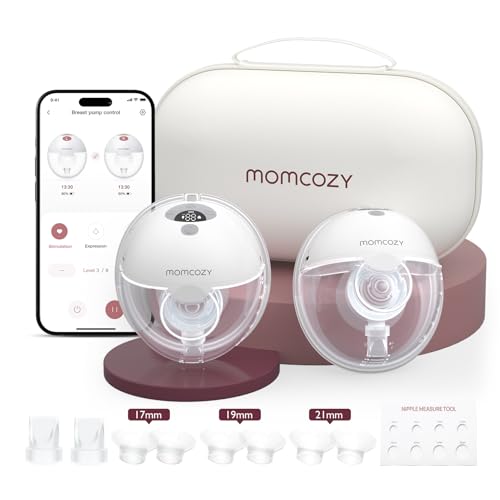
Momcozy M5 Smart APP Controlled Wearable Breast Pump, 2-Pack Quill Gray | Hands-Free and Wireless, 3 Modes 9 Suction Levels, BPA-Free, Portable Lightweight, 24mm Flange
Check price on Amazon
Momcozy Wellness 1 Wearable Breast Pump, Warm-Massage Hands-Free Pump with Heated Flange&Simulated Massage for Comfortable Breastfeeding&Let-Down, App-Controlled, 4 Modes 12 Levels, 180ml/6oz
Check price on Amazon
NCVI Electric Breast Pump 8782, Portable Hospital-Grade Double Pump | 4 Modes 9 Levels, Anti-Backflow, Rechargeable Quiet Breastfeeding Pump for Efficient Comfortable Use at Home, Work or Travel
Check price on Amazon
Elvie - Double, Wearable Breast Pump w/App - The Smallest & Quietest - Portable - Hands Free & Discreet - Automated with Four Personalized Settings
Check price on AmazonFrequently Asked Questions
What makes a hands free breast pump powerful?
A powerful hands free breast pump combines a high maximum suction strength (measured in mmHg), a robust motor that sustains suction across sessions, and an efficient cycle rate. The best models maintain consistent vacuum pressure even as the collection cups fill, ensuring effective milk expression without manual adjustments.
Can a hands free pump match the suction of a traditional double electric pump?
Premium hands free models now rival many traditional double electric pumps in maximum suction strength. While hospital-grade units still lead in sustained power for exclusive pumping, top-tier wearable pumps deliver sufficient vacuum for most mothers, especially when paired with properly fitted flanges and consistent pumping schedules.
How do I choose the right flange size for a hands free pump?
Measure your nipple diameter at the base before pumping and add 2–4 mm to determine your flange size. Most hands free pumps include multiple flange sizes or offer sizing kits. A properly fitted flange prevents discomfort, improves suction efficiency, and supports better milk output.
Are hands free breast pumps suitable for exclusive pumping?
Many mothers use top-tier hands free pumps for exclusive pumping successfully, particularly when they pump on a consistent schedule and use a pump with strong, sustained suction. However, those who need hospital-grade power for establishing supply may benefit from a primary double electric pump alongside a wearable for convenience.
For more guidance on pumping and feeding essentials, explore our most powerful breast pump on the market guide and our newborn must-haves checklist. If you are preparing your nursing station, consider pairing your pump with a comfortable nursery glider recliner for longer sessions.