Newborn Photography Guide
Capture your baby's first precious moments with confidence. From essential camera gear and safe posing techniques to beautiful DIY setups and pro tips — this guide covers everything you need to create stunning newborn portraits you'll treasure forever.
Explore EssentialsWelcoming a newborn into your family is one of life's most magical moments. Those tiny fingers, delicate toes, and peaceful sleeping expressions pass by in the blink of an eye. Newborn photography allows you to freeze these fleeting moments and preserve them for a lifetime. Whether you're a parent planning a DIY photoshoot at home or a photographer looking to specialize in baby portraiture, this comprehensive guide will walk you through everything you need to know — from choosing the right camera and lighting to mastering safe posing techniques and creating a comfortable environment for your little one.
In this guide, we'll explore the best baby photography gear, essential safety tips, creative posing ideas, and how to set up a beautiful studio at home. We'll also cover the importance of timing, lighting, and patience — because working with newborns requires a gentle touch and a flexible approach. By the end of this article, you'll feel fully equipped to capture professional-quality images of your baby's first days, whether you're using a DSLR, a mirrorless camera, or even a smartphone.
1. Essential Newborn Photography Gear
Having the right equipment makes a world of difference in newborn photography. While you don't need the most expensive gear to get great shots, investing in a few key items will significantly improve your results. Here's what you'll need:
📷 Camera
A DSLR or mirrorless camera with manual controls is ideal for newborn photography. Look for a camera with good low-light performance and a 24-50MP sensor. Popular choices include the Canon EOS R6, Sony A7 IV, and Nikon Z6 II.
🔭 Lens
A fast prime lens (50mm f/1.8 or 85mm f/1.4) is perfect for capturing soft, dreamy portraits with beautiful background blur. A 24-70mm f/2.8 zoom lens is also versatile for wider shots.
💡 Lighting
Natural window light is often the best for newborn photography. For a consistent setup, consider a studio strobe or continuous LED light with a large softbox to create soft, flattering illumination.
🧶 Props & Accessories
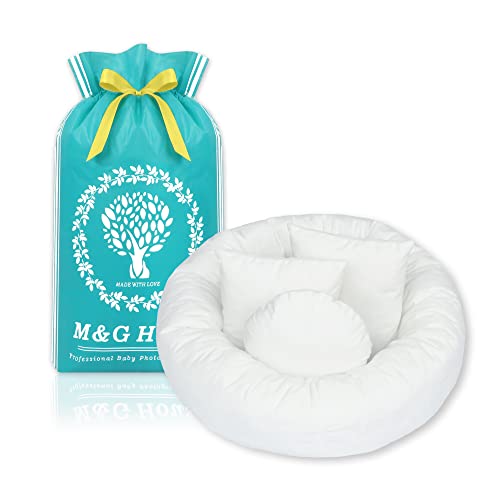
Soft blankets, wraps, beanbags for posing, and various headbands or hats add charm to your photos. A white noise machine can help soothe the baby during the shoot.
Camera Settings for Newborn Photography
- Aperture: f/2.8 – f/4 for a soft, blurry background (bokeh) while keeping the baby's face in focus.
- Shutter Speed: 1/125 – 1/200 to freeze any subtle movements.
- ISO: Keep as low as possible (100-400) to avoid noise, increasing only if lighting is low.
- White Balance: Use a custom white balance or shoot in RAW for easy color correction later.
- Focus Mode: Use Single-Point AF and focus on the baby's closest eye for tack-sharp images.
2. Safe & Beautiful Newborn Posing
Posing is one of the most critical — and challenging — aspects of newborn photography. Safety must always come first, especially with babies under two weeks old who are still developing muscle control. Here are the most popular and safe poses to try:
👶 The "Froggy" Pose
The baby's hands support the chin with legs tucked under. This pose requires assistance from a parent or spotter and should only be done with composite images (combining multiple photos).
🛌 The "Sleepy Curl"
Place the baby on their side in a curled position with a blanket wrapped around them. This is one of the safest and most natural poses.
📦 The "Beanbag" Pose
Lay the baby on a soft beanbag covered with a blanket. Gently position their arms and legs naturally. This is the foundation for many other poses.
👪 Parent & Sibling Shots
Including family members adds emotional depth. Capture the baby being held gently in parent's hands, or older siblings giving a tender kiss on the forehead.
Safety First: 5 Golden Rules
- Keep the room warm: Newborns lose body heat quickly. Maintain a room temperature of 24-27°C (75-80°F) during the shoot.
- Never force a pose: If the baby is uncomfortable or crying, stop immediately and soothe them.
- Use a spotter: Always have an assistant or parent within arm's reach when the baby is not fully supported by the floor or surface.
- Avoid props that can cause harm: Ensure all fabrics are soft, tags are removed, and props are stable and clean.
- Limit session time: Newborns have short attention spans. Aim for 1–2 hours max, with plenty of feeding and soothing breaks.
3. Best Time for Newborn Photography
The ideal window for newborn photography is between 5 to 14 days after birth. During this period, babies are still very sleepy, flexible, and tend to curl up naturally — making it easier to capture those iconic curled-up poses. Here's a breakdown of what to expect at different stages:
| Baby Age | Characteristics | Recommended For |
|---|---|---|
| 5–10 Days | Very sleepy, flexible, easy to pose, minimal discomfort | Curled poses, beanbag shots, intricate setups |
| 10–14 Days | Still sleepy but slightly more alert, some newborn acne may appear | Most poses, wrap shots, simple props |
| 2–4 Weeks | More awake, may resist posing, colic or gas can be an issue | Lifestyle shots, parent interactions, minimal posing |
| 1–3 Months | Wide awake, smiling, holding head briefly | Smiling portraits, tummy time, sitter-style poses |
Preparing for a Newborn Photoshoot
- Feed the baby before the session: A well-fed baby is usually more relaxed and sleepy, making them easier to pose.
- Plan for the golden hour: If using natural light, schedule the shoot during the first or last hour of daylight for the most flattering, soft light.
- Prepare all props and backups: Have extra blankets, wipes, and diapers ready. Cleanliness is essential for a smooth session.
- Warm the surface: Use a heating pad (on low) to warm the blanket or beanbag before placing the baby — but always remove it before placing the baby down.
For more tips on creating a comfortable environment for your baby, explore our nursery furniture guide, which covers everything from cribs to changing tables to ensure your little one feels safe and cozy.
4. Lighting & Composition for Beautiful Baby Portraits
Lighting is the soul of photography, and newborn portraits are no exception. The right lighting can make your images look soft, dreamy, and professional. Here are the best lighting techniques for newborn photography:
☀️ Natural Window Light
Position the baby near a large north-facing window for soft, diffused light. Use sheer curtains to further soften the light. Avoid direct sunlight, which creates harsh shadows.
💡 Studio Lighting
A single softbox or octabox placed at a 45-degree angle to the baby creates a classic portrait look. Add a reflector on the opposite side to fill in shadows.
🌥️ Reflectors
Use a 5-in-1 reflector (white, silver, gold, black, diffuser) to bounce light back onto the baby's face and brighten shadows. White is the most natural option.
🖼️ Composition Tips
Use the rule of thirds to place the baby off-center for a more dynamic image. Focus on the eyes, and don't be afraid to fill the frame with those tiny details — hands, feet, and eyelashes!
5. DIY Newborn Photoshoot at Home: Step-by-Step
You don't need a professional studio to capture stunning newborn photos. With a little creativity and preparation, you can create gorgeous portraits right in your living room. Here's how:
Step 1: Choose Your Location
Select a spot with plenty of natural light, preferably near a window. Clear the area of clutter and set up a comfortable surface (like a soft rug or beanbag) covered with a clean, neutral blanket.
Step 2: Gather Your Props
- Soft wraps, swaddles, and blankets in coordinating colors
- Headbands, hats, or tiny accessories
- A comfortable chair for parents (if including family shots)
- A white noise machine or soft lullabies to keep baby calm
Step 3: Set the Mood
Warm the room to 24-27°C (75-80°F). Dim overhead lights to avoid harsh shadows. Play soft background music to create a relaxing atmosphere for both baby and parents.
Step 4: Start Posing
Begin with simple poses like laying the baby on their back or side. Slowly introduce props and adjust positions. Be patient — some babies take time to settle into a pose.
Step 5: Capture the Details
Remember to photograph the tiny details — fingers, toes, eyelashes, tiny nose, and even the back of the head. These intimate shots are often the most cherished.
For more inspiration on setting up a beautiful space for your baby, check out our nursery bookshelf and nursery furniture guides to create a cozy, photogenic background.
6. How Much Does Newborn Photography Cost?
Newborn photography pricing varies widely depending on your location, the photographer's experience, and the package you choose. Here's a realistic breakdown of typical costs in 2026:
| Service | Average Price | What's Included |
|---|---|---|
| Mini Session | $200 – $500 | 1 hour, 10–15 edited digital images |
| Full Session (Studio) | $500 – $1,200 | 2–3 hours, 30–40 edited images, multiple poses |
| Premium Package | $1,200 – $2,500 | 3+ hours, 50+ images, albums, wall art, props included |
| DIY Photoshoot | $50 – $200 | Props, wraps, and basic equipment (if purchased) |
💡 Budget-Friendly Alternative: If hiring a professional photographer is beyond your budget, a DIY newborn photoshoot is an affordable and deeply personal way to capture your baby's first days. With a good smartphone, natural light, and some soft props, you can achieve beautiful results.
Need ideas for affordable baby essentials? Explore our cheap baby clothes and free baby samples guides to save money without compromising on quality.
7. Editing Newborn Photos: Quick & Easy Workflow
Post-processing is where your newborn photos come to life. Even a few simple adjustments can transform a good image into a stunning one. Here's a beginner-friendly editing workflow:
- White Balance: Adjust the temperature to make the skin tones look warm and natural. Aim for a slightly warm tone (around 5000–5500K).
- Exposure & Contrast: Brighten the image slightly and add a touch of contrast for depth. Avoid over-editing — newborns look best with a soft, natural look.
- Retouching: Gently smooth any blemishes or baby acne, but preserve the baby's natural texture and features. Less is often more.
- Color Grading: Apply a subtle warm or pastel tint to create a cohesive, dreamy aesthetic across your images.
- Export: Save images in high resolution for printing (300 DPI) and a smaller version for sharing online.
8. Newborn Photography FAQs
Q: When is the best time to take newborn photos?
A: The ideal time is between 5 and 14 days after birth when babies are still very sleepy and flexible, making them easy to pose.
Q: Do I need a professional camera for newborn photography?
A: Not necessarily. While a DSLR or mirrorless camera offers more control, modern smartphones like the iPhone 15 Pro and Samsung Galaxy S24 Ultra can produce excellent results with good lighting and composition.
Q: Is newborn photography safe?
A: Yes, as long as you follow safety guidelines — keep the room warm, never force a pose, use a spotter, and prioritize the baby's comfort at all times.
Q: How long does a newborn photoshoot take?
A: Plan for 1 to 3 hours, including feeding and soothing breaks. The session should be relaxed and baby-led.
Q: What should the baby wear?
A: Keep it simple — a soft diaper cover, a wrap, or a loose onesie works best. Accessories like headbands and hats add charm without overwhelming the image.
Q: Can I include siblings or pets?
A: Absolutely! Sibling and pet shots add a wonderful layer of family connection. Just ensure they're calm and supervised around the newborn.
For more answers about baby care and milestones, explore our comprehensive guides on newborn milestones and newborn car seat safety.
9. Capture the Magic, One Click at a Time
Newborn photography is more than just taking pictures — it's about preserving the incredible love and wonder of welcoming a new life into the world. Whether you decide to hire a professional or embark on a DIY photoshoot at home, the most important thing is to enjoy the experience and create lasting memories.
Remember, the best photos come from a place of patience, love, and a little bit of creativity. Don't stress about getting every shot perfect — the ones that capture your baby's authentic self are the ones that will make your heart melt for years to come.
We hope this guide has equipped you with the knowledge and confidence to capture stunning newborn portraits. If you found this helpful, please share it with other new parents who might be preparing for their own photoshoot!
Happy shooting! 📸