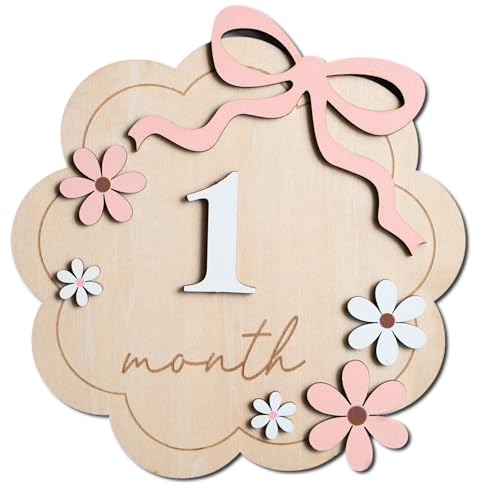
Newborn Milestones by Month
Your complete guide to baby development from 0 to 12 months. Learn what to expect, when to celebrate, and how to support your little one's growth.
Every baby is unique, but milestones give us a roadmap. This guide walks you through the key developmental milestones from birth to 12 months. Use it as a reference, but remember: if your baby is a few weeks ahead or behind, it's usually perfectly normal. Always consult your pediatrician with any concerns.
Month-by-Month Development Guide
Below is a comprehensive breakdown of what many babies can do at each stage. These are averages — your baby may reach some milestones earlier or later.
| Age | Key Milestones | Tips & Activities |
|---|---|---|
| 0–1 Month |
|
Activities: Talk softly, sing lullabies, provide high-contrast toys.
Product: High-contrast toys stimulate visual development. |
| 2 Months |
|
Activities: Engage in "conversations" with coos, use play mats for tummy time.
Tip: Smile often to encourage social smiling. |
| 3–4 Months |
|
Activities: Place sensory toys within reach. Sing songs with hand motions.
Product: A baby swing can provide soothing motion. |
| 5–6 Months |
|
Activities: Provide activity centers and board books.
Tip: Baby-proof your home as mobility increases. |
| 7–8 Months |
|
Activities: Play peek-a-boo, introduce musical toys.
Product: A convertible car seat may be needed as they grow. |
| 9–10 Months |
|
Activities: Encourage cruising with sturdy furniture. Offer stacking toys.
Tip: Sleep training may become more relevant at this age. |
| 11–12 Months |
|
Activities: Read baby books daily, encourage walking with push toys.
Product: A toddler bed may be on the horizon soon. |
How to Support Your Baby's Development
Every interaction is an opportunity to nurture growth. Here are some general tips to keep in mind:
🔹 Talk, Sing, and Read
Your voice is your baby's favorite sound. Narrate your day, sing songs, and read books daily. This builds language skills and strengthens your bond. Explore our top baby books.
🔹 Tummy Time
Start tummy time from day one (a few minutes at a time). It strengthens neck, shoulder, and arm muscles, and prevents flat spots on the head. Use play mats to make it more enjoyable.
🔹 Respond to Cues
Your baby communicates through cries, coos, and body language. Responding promptly builds trust and security. Learn about baby sign language to enhance communication.
🔹 Provide Safe Exploration
Create a safe environment where your baby can explore freely. Baby proofing is essential as they become mobile.
When to Consult Your Pediatrician
While every baby develops at their own pace, certain delays may warrant a discussion with your doctor. Trust your instincts — you know your baby best.
- By 2 months: Not responding to loud sounds or not watching things as they move.
- By 4 months: Not bringing hands to mouth or not cooing.
- By 6 months: Not rolling over or not laughing.
- By 9 months: Not sitting with support or not babbling.
- By 12 months: Not crawling or not using gestures like pointing.
For a more detailed guide, visit our complete newborn milestones page.
Your Next Steps: Gear, Safety, and Beyond
As your baby grows, their needs change. From baby gear to baby care, we have guides to help you navigate each stage. Consider these:
- Building your baby registry with the right essentials.
- Nursery decor tips for a calming space.
- Maternity and postpartum care for mom's wellbeing.
- Parenting and development resources for every age.
Enjoy every moment — they grow up fast!
For more parenting tips and product recommendations, explore our buying guides and top parenting books.