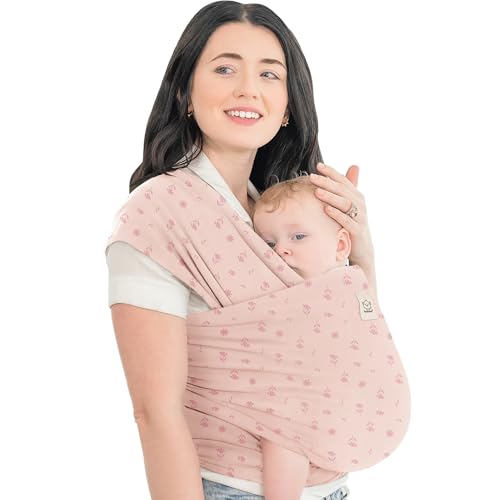
Baby Carrier Wrap Guide
Find the perfect wrap to keep your baby close and your hands free. Whether you're a new parent or a seasoned babywearer, this guide covers everything from fabric types to safety tips.
Why Choose a Baby Carrier Wrap?
Baby carrier wraps offer a unique combination of comfort, versatility, and closeness that many parents love. Unlike structured carriers, wraps distribute your baby's weight evenly across your shoulders and back, reducing strain. They also allow for multiple carrying positions—from newborn kangaroo hold to hip carries for older babies.
Wraps are especially popular during the newborn stage because they mimic the cozy, secure feeling of the womb. They can also be used for nursing discreetly, and many parents find that wearing their baby helps soothe colic and promotes bonding.
Types of Baby Carrier Wraps
There are two main categories of wraps: stretchy wraps and woven wraps. Each has its own strengths and ideal use cases.
Stretchy Wraps
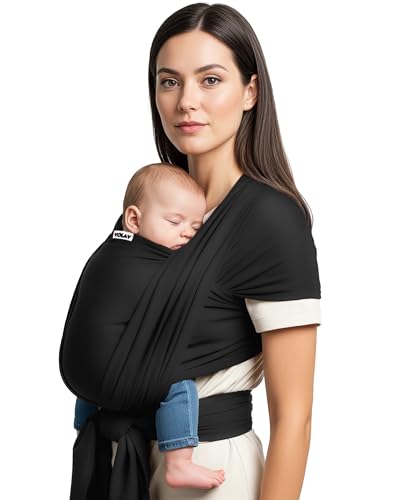
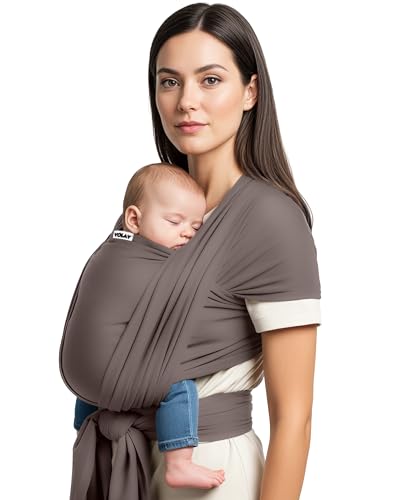
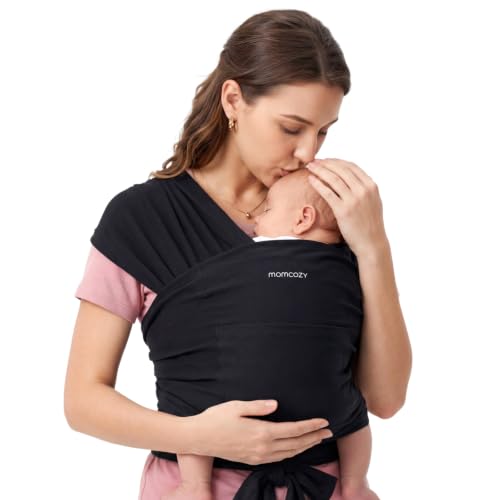
Best for: Newborns and infants up to about 15-20 lbs (7-9 kg). Stretchy wraps are made from soft, elastic fabrics like cotton-spandex blends. They are easy to learn and pre-tie, making them beginner-friendly. They provide a snug, womb-like environment and are ideal for the fourth trimester.
Popular models: Boba Wrap, Moby Wrap, and Solly Baby Wrap.
Woven Wraps
Best for: Newborns up to toddlers (30+ lbs / 13+ kg). Woven wraps are made from sturdy, non-stretch fabrics like 100% cotton, hemp, or linen blends. They require a bit more practice to learn but offer superior support and versatility. They can be used for back carries and even for heavy toddlers.
Popular models: Didymos, Lenny Lamb, and Oscha.
Ring Slings (a hybrid)
While not a traditional wrap, ring slings are worth mentioning. They consist of a length of woven fabric with two rings sewn on one end. They are quick to adjust and perfect for short carries, quick ups, and nursing. They are suitable from newborn to toddler.
How to Choose the Right Baby Carrier Wrap
Choosing a wrap depends on several factors:
- Your baby's age and weight: Stretchy wraps are great for newborns, while woven wraps can carry heavier children.
- Your climate: Hot weather calls for breathable fabrics like linen or bamboo blends. Cooler climates may benefit from thicker cotton or wool blends.
- Your lifestyle: If you plan to breastfeed on the go, a stretchy wrap or ring sling is often easier. For long hikes or extended wearing, a woven wrap provides better support.
- Your budget: Stretchy wraps are generally more affordable ($40–$80), while woven wraps can range from $80 to over $200 for premium brands.
Consider how much time you'll spend wearing your baby. If you're a first-time wearer, a stretchy wrap is a low-risk, comfortable starting point.
If you're ready to invest in a wrap that will grow with your child, a high-quality woven wrap is a long-term solution. Many parents find that a woven wrap becomes a favorite tool in their parenting journey.
Baby Carrier Wrap Safety Essentials
Safety is paramount when wearing your baby. Follow these T.I.C.K.S. guidelines (from the Baby Carrier Industry Alliance):
- T – Tight: The wrap should be snug, holding your baby close to your body so that their face is visible and you can kiss the top of their head.
- I – In view at all times: You should always be able to see your baby's face and airway.
- C – Close enough to kiss: The top of your baby's head should be near your chin.
- K – Keep chin off the chest: Ensure your baby's chin is not pressed against their chest, which can restrict breathing.
- S – Supported back: Your baby's back should be supported in its natural, rounded position, with their tummy against you.
Practice in a safe environment (like over a bed) until you feel confident. Many local babywearing groups offer meetups where you can learn and get help.
For a deeper dive into babywearing safety, you might also find our guide on newborn gas relief helpful, as wearing your baby can help with colic and digestive discomfort.
Fabric & Care Guide
The material of your wrap affects breathability, stretch, and durability.
- 100% Cotton: Soft, breathable, and easy to care for. Suitable for all seasons.
- Cotton/Spandex (Stretchy): Provides bounce and give. Best for newborns.
- Linen or Hemp Blends: Breathable and supportive, ideal for warmer climates.
- Bamboo: Luxuriously soft and moisture-wicking.
- Wool Blends: Warm and insulating for winter, but require more careful washing.
Always follow the manufacturer's washing instructions. Most cotton wraps can be machine-washed on gentle cycle and tumble-dried low. Woven wraps often benefit from hand-washing or delicate cycles to preserve their weave.
Quick Comparison: Stretchy vs. Woven
Prices are approximate and may vary by brand and retailer.
Ready to Choose Your Baby Carrier Wrap?
Investing in a quality baby carrier wrap can transform your parenting experience. Whether you opt for the cozy stretchy wrap or the long-lasting woven wrap, the key is to prioritize comfort, safety, and your lifestyle needs.
Remember, every parent and baby is different. What works for one may not work for another. Consider trying a few different types (borrow from a friend or a local babywearing group) before making your final decision.
Explore our curated selection of baby carrier wraps to find the one that fits your family best.
💡 Pro Tip: Once you have your wrap, practice tying it with a doll or stuffed animal before using it with your baby. This builds confidence and ensures you know the steps by heart.