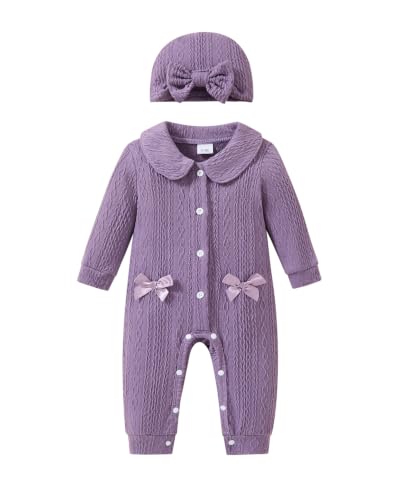
Newborn Boutique Clothing: A Complete Buying Guide
Everything you need to know about choosing premium, beautifully crafted boutique outfits for your newborn — from fabric safety and sizing to style selection and care.
Explore Boutique PicksWhy Newborn Boutique Clothing Deserves a Closer Look
Welcoming a newborn is one of life's most precious moments, and dressing your little one in boutique clothing adds an extra layer of charm to those early days. Boutique newborn clothing is not just about aesthetics — it represents a thoughtful approach to comfort, safety, and craftsmanship. These garments are typically produced in smaller batches with meticulous attention to detail, using fabrics chosen for their gentleness on delicate newborn skin.
Unlike mass-produced alternatives, boutique pieces often feature unique design elements such as hand-finished seams, artisanal prints, and heirloom-quality construction. For parents who view their baby's first outfits as keepsakes, investing in a few well-chosen boutique pieces makes practical and emotional sense. This guide will walk you through everything you need to know — from understanding fabric certifications to building a versatile wardrobe — so you can shop with confidence and clarity.
Quick Tip: Boutique clothing is not about quantity — it is about quality. A handful of thoughtfully chosen pieces can carry your newborn through the first months while doubling as treasured keepsakes for years to come.
What Defines Newborn Boutique Clothing?
Boutique clothing sits in a distinct category within the baby apparel market. It is characterized by several defining traits that set it apart from standard retail offerings:
- Small-batch production: Boutique brands typically produce limited quantities, ensuring exclusivity and often enabling closer quality control.
- Premium fabrics: Expect organic cotton, bamboo viscose, modal blends, and other high-grade materials that prioritize breathability and softness.
- Distinctive design: Unique prints, hand-embroidered details, and designer silhouettes that move beyond basic bodysuits.
- Ethical manufacturing: Many boutique labels emphasize fair labor practices and sustainable production methods.
- Attention to detail: Flat-lock seams, tagless labels, and snap closures positioned for easy diaper changes.
These characteristics translate into tangible benefits for your baby: fewer skin irritations, easier dressing and changing, and outfits that photograph beautifully for milestone moments. If you are also planning a photoshoot, browse our guide to newborn photoshoot outfits for additional inspiration.
For parents who appreciate designer aesthetics, exploring newborn designer clothes can reveal even more options that blend luxury with practicality.
The Fabric Guide: What to Look For
Fabric is the single most important factor when selecting boutique clothing for a newborn. A baby's skin is roughly 30% thinner than an adult's, making it far more susceptible to irritation, overheating, and allergic reactions. Here is a breakdown of the most common premium fabrics and their characteristics:
| Fabric | Best For | Key Qualities | Tier |
|---|---|---|---|
| Organic Cotton (GOTS) | Everyday bodysuits, sleepers, coming-home outfits | Breathable, hypoallergenic, pesticide-free, softens with washing | Essential |
| Bamboo Viscose | Swaddles, sleep gowns, sensitive-skin babies | Ultra-soft, moisture-wicking, naturally antibacterial, temperature-regulating | Balanced |
| Modal Blend | Daywear, matching sets, special occasion pieces | Silky drape, color-retentive, resistant to shrinkage, luxurious feel | Premium |
| Merino Wool | Cold-weather outerwear, sleep sacks | Thermoregulating, naturally odor-resistant, fine fibers gentle on skin | Premium |
| Pima Cotton | Heirloom pieces, formal outfits, gifting | Extra-long staple fibers, exceptional durability, silky smoothness | Premium |
Always check for certifications. GOTS (Global Organic Textile Standard) and OEKO-TEX Standard 100 are two credentials that guarantee the fabric has been tested for harmful substances. These certifications are especially important for newborn clothing, as they provide independent verification of safety claims.
Avoid synthetic fabrics like polyester and acrylic for everyday wear, as they trap heat and moisture. While they may be acceptable for outer layers or special occasion pieces worn briefly, natural and semi-synthetic fibers are the better choice for garments that contact your baby's skin directly.
Sizing and Fit: Getting It Right
Newborn sizing can be confusing, particularly because boutique brands often have their own sizing conventions. Here are some practical guidelines to help you navigate:
- Newborn (NB) size: Typically fits babies from 5 to 8.5 pounds (2.3 to 3.9 kg) and up to 21.5 inches (55 cm). Many babies outgrow this size within 2-4 weeks, so avoid stocking up too heavily.
- 0-3 months: The workhorse size for most newborns. This range often fits from 8 to 12 pounds and provides more longevity than NB sizing.
- Preemie size: If you are expecting a smaller baby, boutique brands often carry preemie sizing, which is worth exploring ahead of time.
When shopping online, always consult the brand's specific size chart rather than assuming consistency across labels. Boutique brands tend to run either true-to-size or slightly generous, allowing room for growth. Look for features like fold-over cuffs (to protect against scratching), envelope necklines (for easy removal), and snap closures along the inseam for quick diaper access.
For a deeper dive into building a complete newborn wardrobe, our newborn clothing essentials guide provides a detailed checklist of what you actually need.
Pro Tip: Newborns grow fastest in the first three months. Resist the urge to over-purchase in NB size. Instead, focus your boutique selections on 0-3 month sizing, which will see more wear.
Building a Balanced Boutique Wardrobe
A well-curated newborn wardrobe balances everyday practicality with a few statement pieces. Here is a framework for building your collection:
Everyday Essentials (Mix of Essential and Balanced Tiers)
- 6-8 short-sleeve bodysuits in organic cotton for daily wear
- 4-6 long-sleeve bodysuits or footed sleepers for cooler days and nights
- 2-3 pairs of soft pants with elastic waistbands
- 3-4 swaddle blankets or sleep sacks in bamboo or cotton muslin
- 2-3 hats (cotton for indoors, wool blend for outdoor outings)
- 4-6 pairs of socks or booties
Boutique Statement Pieces (Balanced to Premium Tiers)
- 1-2 coming-home outfits — consider a gender-neutral option if you are keeping surprises, or browse gender-neutral coming-home outfits
- 1-2 special occasion outfits (family gatherings, holiday celebrations, religious ceremonies)
- 1-2 heirloom-quality pieces such as a monogrammed gown or a knitted cardigan
- 1 matching set for family photos, such as newborn and mom matching pajamas or mother and newborn son matching outfits
This balanced approach ensures you have enough clothing for the frequent changes newborns require, while reserving room in the budget for pieces that will be photographed, gifted, or kept as keepsakes.
If you are also thinking ahead to gift-giving season, our guide to newborn Christmas clothes and newborn first Christmas outfits can help you plan festive looks.
What to Look For When Buying Boutique Newborn Clothing
When evaluating boutique clothing, keep these quality markers in mind:
- Seam construction: Flat-lock or overlock seams lie flat against the skin and reduce friction. Avoid rough, exposed seams inside garments.
- Tagless labels: Printed neck labels eliminate the scratchiness of traditional woven tags.
- Easy closures: Snaps, zippers with protective guards, and envelope shoulders simplify dressing and changes.
- Dye safety: Low-impact, azo-free dyes reduce the risk of skin reactions. OEKO-TEX certification covers dye safety.
- Wash durability: Boutique pieces should withstand repeated washing without pilling, fading, or losing shape. Check care instructions and fabric weight — heavier knits tend to hold up better.
- Safety compliance: Ensure garments meet CPSC (Consumer Product Safety Commission) standards. Avoid loose ribbons, buttons, or embellishments that could pose a choking hazard on sleepwear.
Beyond construction, consider the brand's values. Many boutique labels publish detailed information about their manufacturing partners, sustainability practices, and sourcing. This transparency is a good indicator of overall quality commitment. Our newborn clothing overview covers additional considerations for everyday and special occasions.
Caring for Boutique Newborn Clothing
Proper care extends the life of boutique garments and ensures they remain gentle on your baby's skin. Follow these guidelines:
- Pre-wash before first wear: This removes any manufacturing residues and softens the fabric.
- Use gentle detergent: Choose a fragrance-free, dye-free formula designed for baby laundry. Avoid fabric softeners, which can coat fibers and reduce breathability.
- Wash inside out: This protects prints, embroidery, and delicate details. Use cold water and a gentle cycle.
- Air dry when possible: Lay knits flat to dry to maintain shape. If using a dryer, choose low heat and remove items promptly to minimize wrinkles.
- Stain treatment: Address spit-up and diaper leaks promptly. Blot (do not rub) and pre-treat with a mild stain remover before washing.
- Storage: Store clean, dry garments in a cool, dry place. Avoid plastic bags, which can trap moisture and cause mildew. Cotton and linen garment bags are ideal for heirloom pieces.
For more detailed baby laundry advice, see our comprehensive baby laundry tips.
Ready to Build Your Boutique Wardrobe?
Browse our curated selection of newborn boutique clothing picks, hand-reviewed for quality, comfort, and style.
See Our Top PicksFrequently Asked Questions
What is newborn boutique clothing?
Newborn boutique clothing refers to premium, small-batch garments designed for infants with a focus on distinctive designs, high-quality fabrics, and attention to detail. These pieces often feature unique prints, artisanal craftsmanship, and superior comfort compared to mass-produced options.
What fabrics are best for newborn boutique clothing?
The best fabrics include organic cotton, bamboo viscose, modal blends, and merino wool. These materials are breathable, hypoallergenic, and gentle on a baby's sensitive skin. Look for GOTS-certified organic cotton and OEKO-TEX certified fabrics for guaranteed safety.
How many newborn outfits do I actually need?
Most parents find that 8-10 bodysuits, 5-7 sleepers, 3-4 going-out outfits, and 2-3 special occasion pieces are sufficient for the newborn stage. Since newborns grow quickly and require frequent changes, having a mix of everyday essentials and boutique pieces works best.
Are boutique baby clothes worth the investment?
Boutique baby clothes offer superior fabric quality, better construction, and unique designs that hold up well through multiple washes. They also make wonderful keepsakes and heirloom pieces. For special occasions and photogenic moments, many parents find them a worthwhile investment.
How should I care for newborn boutique clothing?
Always check the care label first. Most boutique pieces benefit from cold water washing on a gentle cycle, turned inside out to protect details. Use a gentle, fragrance-free detergent. Air dry flat when possible to maintain shape and fabric integrity. Avoid fabric softeners and bleach.