Kids Sleeping Bag Guide: Safety, Comfort & Warmth
Find the perfect sleeping bag for your child. From toddler sleep sacks to big-kid camping bags, we cover safety, materials, and top-rated picks.
SHOP RECOMMENDED SLEEPING BAGSWhy Trust CradleCheck? We've analyzed hundreds of kids sleeping bags, consulted safety guidelines, and tested materials to bring you this comprehensive guide. Your child's sleep quality and safety are our top priorities.
Choosing the Right Kids Sleeping Bag
A good sleeping bag can transform your child's sleep, whether at home, during travel, or on camping adventures. Unlike adult sleeping bags, kids' versions must prioritize safety, ease of use, and comfort for growing bodies. This guide will help you navigate the key factors—from temperature ratings and materials to safety features and size—so you can make an informed choice.
For many parents, a kids sleeping bag is an essential item for daycare naps, sleepovers, or family camping trips. The right bag keeps your child warm without overheating, allows for natural movement, and is easy to clean. Let's dive into what makes a great kids sleeping bag.
Key Features to Consider
Temperature Rating
Choose a bag rated for the lowest temperature your child will encounter. For indoor use, a lightweight bag (50°F+) is sufficient. For camping, look for ratings of 30°F–40°F for three-season use.
Material & Fill
Polyester fill is budget-friendly and dries quickly. Cotton is soft and breathable for indoor use. Down offers excellent warmth-to-weight ratio but is pricier and harder to wash.
Safety Design
Look for bags with no loose strings, secure zippers (preferably with a cover), and a design that prevents the child from slipping down inside. For toddlers, a sleep sack style is safest.
Size & Fit
A bag that's too large can be dangerous for small children (risk of slipping inside). Measure your child's height and choose a bag that's no more than 4–6 inches taller than them.
Safety First: What Every Parent Must Know
When it comes to kids sleeping bags, safety is non-negotiable. Here are the most important safety guidelines to follow:
- For Toddlers (under 3): Use a toddler bedding set or a sleep sack specifically designed for this age. These have no loose bedding and keep the child's head uncovered.
- Avoid Overheating: Choose a bag with a breathable material and a temperature rating appropriate for the room or environment. Check your child's neck for sweating.
- Secure Zippers: Ensure zippers have a protective flap or are self-locking to prevent accidental opening. Some bags have an inverted zipper to reduce the risk of pinching.
- Non-Toxic Materials: Look for certifications like Oeko-Tex Standard 100 or GOTS for organic fabrics to avoid harmful chemicals.
- No Loose Parts: Avoid bags with decorative buttons, strings, or ribbons that could be a choking hazard.
Types of Kids Sleeping Bags
Different sleeping bag styles suit different needs. Here's a breakdown of the most common types:
1. Toddler Sleep Sacks (Wearable Blankets)
These are sleeveless, zip-up bags designed for children who have transitioned from swaddles. They allow for safe leg movement while keeping the body warm. Ideal for home use, travel, and daycare. Many parents start with a sleep sack and later transition to a traditional sleeping bag for camping.
2. Traditional Sleeping Bags (Camping Style)
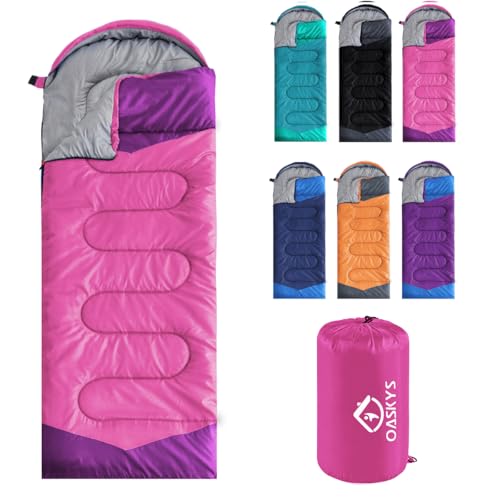
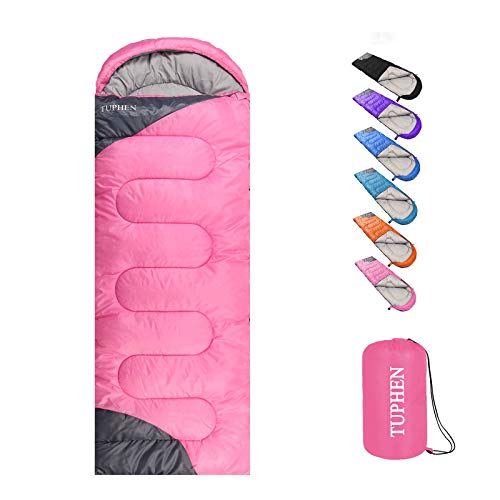
Designed for outdoor adventures, these bags are rectangular or mummy-shaped. They often have a hood and a full-length zipper. Look for a bag with a temperature rating that matches your camping conditions. Some come with a built-in pillow pocket or storage bag.
3. Travel & Daycare Sleep Bags
Lightweight, easy-to-fold bags that are great for sleepovers, daycare naps, or car travel. They usually have a softer, more flexible fabric and can be rolled up into a small carrying pouch.
4. All-Season Sleeping Bags
Some bags come with a removable liner or a zip-off top layer, allowing you to adjust the insulation level. This is a cost-effective choice if you camp in varying temperatures.
Comparison of Sleeping Bag Types
| Type | Best For | Temperature Range | Key Feature |
|---|---|---|---|
| Toddler Sleep Sack | Indoor sleep, travel | 65°F+ | Safe leg movement, no loose bedding |
| Camping Sleeping Bag | Outdoor camping | 30°F–50°F | Insulated, hooded, often water-resistant |
| Travel/Daycare Bag | Naps, daycare, car trips | 60°F+ | Lightweight, compact, easy to wash |
| All-Season Bag | Varied climates | 20°F–60°F | Adjustable insulation with removable layers |
Materials Guide: Cotton vs. Polyester vs. Down
The filling and outer fabric of a kids sleeping bag affect warmth, breathability, and ease of cleaning. Here's what you need to know:
- Cotton: Soft, breathable, and hypoallergenic. Great for indoor use and warmer weather. Easy to wash, but takes longer to dry. Often used in sleep sacks.
- Polyester Fill: The most common and budget-friendly option. Dries quickly, retains warmth even when damp, and is lightweight. Good for camping and travel.
- Down Fill: Premium insulation that offers the best warmth-to-weight ratio. Compresses well for packing. However, down is more expensive and loses insulation when wet. Look for responsibly sourced down.
- Outer Fabric: Nylon or polyester shells are durable and often water-resistant. Cotton shells are softer but less water-resistant. For camping, a water-resistant shell is recommended.
Size Guide: How to Choose the Right Fit
A properly fitted sleeping bag is crucial for safety and comfort. A bag that's too large can allow the child to slip down inside, increasing the risk of suffocation. Follow these guidelines:
- Measure your child's height: From the top of the head to the heel, while lying down.
- Add 4–6 inches (10–15 cm): Choose a bag that is 4–6 inches taller than your child. This gives room to move without being excessive.
- Consider growth: If your child is between sizes, size up only if they are close to growing out of the smaller size. Avoid buying a bag that is more than 8 inches too long.
- Check the shoulder width: The bag should be snug around the shoulders to prevent the child from slipping down, but not so tight that it restricts movement.
Care and Maintenance Tips
To extend the life of your kids sleeping bag, follow these care instructions:
- Washing: Always check the manufacturer's label. Most synthetic bags are machine-washable on a gentle cycle. Use a mild detergent and avoid fabric softeners, which can damage water-repellent coatings.
- Drying: Tumble dry on low heat. Add a couple of clean tennis balls to help fluff the filling. For down bags, use a front-loading washer and dry on a low setting with tennis balls.
- Storage: Store the sleeping bag loosely in a large cotton storage bag or hung up. Do not store it compressed in its stuff sack, as this can damage the insulation over time.
- Spot Cleaning: For small stains, use a damp cloth and mild soap. Air dry thoroughly before using.
When to Transition from a Sleep Sack to a Sleeping Bag
Many parents use sleep sacks from infancy to around 3 years old. Once your child can confidently climb in and out of a bed and is fully mobile, you can transition to a traditional sleeping bag. This typically happens between 2.5 and 4 years of age. For toddler bed frames, a fitted sheet and a light blanket are alternatives, but a sleeping bag can provide extra warmth and security.
If you're planning a family camping trip, a traditional sleeping bag is a must-have. For toddlers who are not yet ready for a full-sized bag, consider a kids sleeping bag with a smaller footprint and a cozy, familiar design that helps them feel at home in the great outdoors.
Pro Tips for Choosing the Best Kids Sleeping Bag
- Read reviews: Look for feedback from other parents on durability, warmth, and ease of cleaning.
- Test the zipper: Ensure the zipper is smooth and easy for older kids to operate, but protected enough for younger ones.
- Consider the weight: A heavy bag can be uncomfortable for a child to move in. For camping, also consider the packed weight if they'll be carrying it.
- Look for a pillow pocket: Some bags have a built-in pocket for a small pillow or clothes, adding extra comfort.
- Buy a bag with a guarantee: Many reputable brands offer a warranty against manufacturing defects.
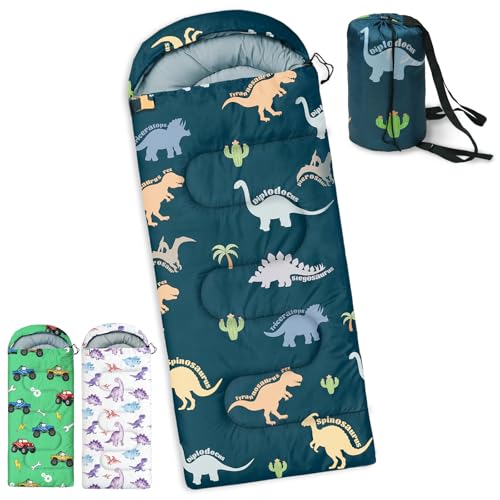
- Match the design to your child's interests: A bag with their favorite animal or color can make bedtime more exciting, especially for sleepovers and camping trips.
Ready to Choose the Perfect Kids Sleeping Bag?
Choosing the right kids sleeping bag is an investment in your child's comfort and safety. By considering the temperature rating, material, size, and safety features, you can find a bag that will provide many nights of warm, restful sleep. Remember to check for certifications like Oeko-Tex and to follow the size guidelines carefully.
Whether you need a toddler bedding set for daily naps, a lightweight travel bag for daycare, or a warm, durable bag for family camping trips, the options are vast. Use this guide as your checklist, and don't hesitate to prioritize safety and quality. Your child's sweet dreams are worth it!