Hypoallergenic Diaper Rash Cream: The Complete Guide for Sensitive Skin
Protect your baby's delicate skin with the right hypoallergenic formula. Learn which ingredients to look for, which to avoid, and how to choose the best cream for your little one.
Explore Top PicksWhy Hypoallergenic Matters: A baby's skin is up to 30% thinner than an adult's, making it more vulnerable to irritation and allergic reactions. Hypoallergenic diaper rash creams are specifically formulated to minimize common allergens, providing gentle, effective protection for even the most sensitive skin. This guide will help you understand what to look for and how to choose the best product for your baby's needs.
What Is Hypoallergenic Diaper Rash Cream?
Hypoallergenic diaper rash cream is a specialized skincare product designed to treat and prevent diaper rash while minimizing the risk of allergic reactions. Unlike standard creams, these formulas exclude common irritants such as synthetic fragrances, dyes, parabens, phthalates, and certain preservatives. They are typically dermatologist-tested and often recommended for babies with sensitive skin, eczema, or a history of allergic reactions.
The term "hypoallergenic" means the product is less likely to cause an allergic reaction, though it does not guarantee that no one will ever react to it. For parents of babies with particularly reactive skin, choosing a cream labeled hypoallergenic is a smart first step toward preventing discomfort and protecting the skin barrier.
Key Ingredients to Look For
Zinc Oxide
A mineral that forms a protective barrier on the skin, shielding it from moisture and irritants. It also has mild astringent properties that help soothe inflamed skin. Zinc oxide is a staple in most effective diaper rash creams.
Petrolatum (Petroleum Jelly)
An occlusive ingredient that locks in moisture and creates a waterproof barrier. It is well-tolerated by most babies and is often used in hypoallergenic formulas for its protective properties.
Lanolin
A natural wax derived from sheep's wool, lanolin is an excellent moisturizer and skin protectant. However, some babies may be allergic to it, so ensure the product is labeled hypoallergenic and lanolin-free if your baby has known sensitivities.
Panthenol (Pro-Vitamin B5)
A soothing ingredient that helps repair the skin barrier and reduce redness. It is gentle and often included in creams formulated for sensitive skin.
Aloe Vera & Calendula
Botanical ingredients with anti-inflammatory and soothing properties. Calendula, in particular, is known for its ability to calm irritated skin and is a common additive in natural hypoallergenic creams.
Dimethicone
A silicone-based polymer that creates a breathable barrier, protecting the skin from wetness while allowing it to breathe. It is gentle and rarely causes allergic reactions.
Ingredients to Avoid
| Ingredient | Why It's a Concern |
|---|---|
| Fragrances (Parfum) | One of the most common causes of allergic contact dermatitis in babies. Even "natural" fragrances can trigger reactions. |
| Dyes (e.g., CI 42090, FD&C Blue) | Synthetic colorants can irritate sensitive skin and offer no therapeutic benefit. |
| Parabens (Methylparaben, Propylparaben) | Preservatives that some babies may be sensitive to; many hypoallergenic brands choose paraben-free formulas. |
| Phthalates | Often used to make fragrances last longer; potential endocrine disruptors and skin irritants. |
| Methylisothiazolinone (MI/MCI) | A preservative that is a known allergen and can cause severe skin reactions. |
| Essential Oils (some) | While natural, some essential oils (e.g., lavender, tea tree) can cause irritation in sensitive babies. Choose creams that are explicitly fragrance-free. |
How to Choose the Right Cream for Your Baby
Check the Label
Look for "hypoallergenic," "fragrance-free," "dye-free," and "paraben-free" on the packaging. These are strong indicators that the product is formulated for sensitive skin.
Consider the Formulation
Creams with a thicker consistency (like those containing zinc oxide) are better for treating existing rash, while lighter lotions or ointments work well for prevention. Choose a formula that suits your baby's skin condition.
Test on a Small Area
Before applying a new cream all over, do a patch test on a small area of your baby's skin (e.g., inner thigh) to check for any adverse reactions.
Consult Your Pediatrician
If your baby has persistent or severe rash, or if you're unsure about a particular product, ask your pediatrician for recommendations. They can guide you toward medicated options if needed.
Look for Dermatologist-Tested
Products that have been clinically tested by dermatologists are more likely to be safe for sensitive skin. This label indicates the product has undergone rigorous testing.
Choose a Reliable Brand
Opt for well-known brands with a reputation for safety and quality. Reading reviews from other parents can also provide valuable insights.
Comparing Top Hypoallergenic Diaper Rash Creams
| Product | Tier | Best For | Key Features |
|---|---|---|---|
| Aquaphor Baby Healing Ointment | Premium | Prevention and dry skin | Petrolatum-based, fragrance-free, dye-free, preservative-free |
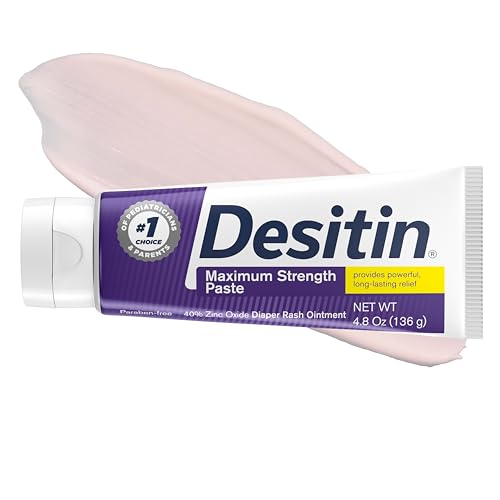
| Boudreaux's Butt Paste Maximum Strength | Mid-Range | Treatment of moderate rash | 40% zinc oxide, hypoallergenic, fragrance-free, paraben-free |
| Desitin Daily Defense | Essential Tier | Daily prevention | Zinc oxide, hypoallergenic, fragrance-free, dye-free |
| Weleda Diaper Care Cream | High-End Tier | Natural, sensitive skin | Calendula extract, zinc oxide, fragrance-free, free from synthetic preservatives |
| Triple Paste | Premium | Sensitive skin and eczema | Non-nano zinc oxide, hypoallergenic, fragrance-free, accepted by National Eczema Association |
How to Apply Hypoallergenic Diaper Rash Cream
Step 1: Cleanse Gently
Use a soft cloth or fragrance-free wipes to clean the diaper area. Avoid rubbing vigorously. Pat the skin dry with a clean, soft towel.
Step 2: Apply a Thin Layer
Dab a small amount of cream onto the affected area and spread it gently. A thin, even layer is usually sufficient to create a protective barrier.
Step 3: Allow to Dry
Let the cream dry completely before putting on a new diaper. This helps the cream adhere better and provides maximum protection.
Step 4: Change Frequently
Change diapers frequently to keep the area clean and dry. Apply cream at every change if your baby is prone to rash.
Prevention Tips for Diaper Rash
Keep the Area Dry
Allow your baby to go diaper-free for short periods each day to let the skin breathe. Use a moisture-wicking diaper and change it promptly after wetting or soiling.
Choose Gentle Wipes
Opt for fragrance-free, alcohol-free wipes, or use a soft washcloth with warm water. Avoid wipes with harsh chemicals that can irritate the skin.
Use a Barrier Cream Daily
Even when there is no rash, applying a thin layer of hypoallergenic diaper cream can protect the skin from moisture and irritants, reducing the risk of future flare-ups.
Consider Hypoallergenic Diapers
If your baby is prone to sensitivity, look for hypoallergenic diapers that are free from chlorine, fragrances, and lotions. These can help reduce irritation triggers.
Frequently Asked Questions
What makes a diaper rash cream hypoallergenic?
A hypoallergenic diaper rash cream is formulated to minimize the risk of allergic reactions. It typically excludes common allergens such as fragrances, dyes, parabens, and certain preservatives. These creams are often dermatologist-tested and suitable for sensitive or eczema-prone skin.
How often should I apply hypoallergenic diaper rash cream?
Apply a thin layer to the affected area at each diaper change, or as directed by your pediatrician. For prevention, it can be used during every change to create a protective barrier against moisture and irritants.
Can I use hypoallergenic diaper rash cream on broken skin?
Most hypoallergenic creams are safe for minor irritation, but if the skin is broken, oozing, or shows signs of infection, consult your pediatrician before use. Some creams contain zinc oxide which can soothe and protect, but medical advice is recommended for severe cases.
Are hypoallergenic creams effective for treating severe diaper rash?
Hypoallergenic creams are excellent for prevention and mild to moderate rash. For severe or persistent rash, a pediatrician may recommend a medicated cream containing ingredients like hydrocortisone or antifungal agents. Always consult a healthcare professional for severe cases.
Can I use the same cream for both prevention and treatment?
Yes, many hypoallergenic creams are designed for both prevention and treatment. However, for treatment of an existing rash, look for a cream with a higher concentration of zinc oxide or other soothing ingredients. For daily prevention, a lighter ointment or cream may suffice.
Related Reading
Hypoallergenic Diaper Cream
Explore broader options for sensitive skin, including creams suitable for daily use and specific skin conditions.
Hypoallergenic Diapers for Sensitive Skin
Learn how choosing the right diaper can reduce the risk of rash and irritation, especially for babies with sensitive skin.
Home Remedies for Really Bad Diaper Rash
Discover gentle, at-home strategies to soothe severe diaper rash and when to seek professional help.
Hypoallergenic Baby Products
A comprehensive guide to building a hypoallergenic nursery and skincare routine for your baby.
Ready to Find the Perfect Cream for Your Baby?
Explore our top recommendations for hypoallergenic diaper rash creams, carefully selected for safety and effectiveness on sensitive skin.
View Top Recommendations