
Hypoallergenic Diaper Cream: Complete Guide for Sensitive Baby Skin
Everything parents need to know about choosing, using, and understanding hypoallergenic diaper creams to protect your baby's delicate skin from irritation and rashes.
Quick Answer: A hypoallergenic diaper cream is formulated without common allergens and irritants such as synthetic fragrances, dyes, parabens, and harsh preservatives. It creates a protective barrier against moisture while soothing and preventing diaper rash. For babies with sensitive skin, these creams are an essential part of daily diapering routines.
Understanding Diaper Rash and Sensitive Skin
Diaper rash is one of the most common skin conditions in infants, affecting nearly every baby at some point. It typically appears as red, inflamed patches on the buttocks, thighs, or genital area. While the causes vary, the most frequent culprits include prolonged exposure to wetness, friction from diapers, and irritation from chemicals found in some diapering products.
Babies with sensitive skin are particularly vulnerable. Their skin barrier is thinner and more permeable than adults', making it easier for irritants to penetrate and trigger reactions. This is where hypoallergenic diaper cream becomes invaluable. By choosing products formulated with minimal, gentle ingredients, parents can significantly reduce the risk of irritation and discomfort.
Common triggers of diaper rash include:
- Moisture: Prolonged contact with urine and stool
- Friction: Rubbing from tight diapers or rough fabrics
- Chemical irritants: Fragrances, dyes, and preservatives in wipes or creams
- Diet changes: Introducing new foods can alter stool composition
- Antibiotics: Can disrupt natural skin flora and promote yeast growth
If your baby frequently experiences rashes, consider pairing a hypoallergenic cream with hypoallergenic diapers and hypoallergenic baby products to create a comprehensive sensitive-skin care routine.
What Makes a Diaper Cream Hypoallergenic?
The term "hypoallergenic" indicates that a product is formulated to minimize the likelihood of allergic reactions. For diaper creams, this typically means the product excludes known allergens and irritants. However, it's important to note that "hypoallergenic" is not a regulated medical term in many regions, so parents should always read ingredient labels carefully.
Key characteristics of hypoallergenic diaper creams include:
- Fragrance-free: Synthetic fragrances are among the most common causes of skin irritation and allergic contact dermatitis in babies.
- Dye-free: Artificial colors serve no skincare purpose and can trigger reactions in sensitive skin.
- Paraben-free: Parabens are preservatives that some parents prefer to avoid due to potential sensitivity concerns.
- Minimal ingredients: Fewer ingredients generally mean fewer opportunities for irritation.
- Dermatologist-tested: Products tested by dermatologists are more likely to be safe for sensitive skin.
- pH-balanced: Formulations that respect the skin's natural pH help maintain a healthy skin barrier.
Some premium and luxury tier products also undergo rigorous clinical testing and may be certified by organizations such as the National Eczema Association. While these certifications don't guarantee zero reactions, they provide additional assurance for parents of highly sensitive babies.
Key Ingredients to Look For (and Avoid)
When selecting a hypoallergenic diaper cream, understanding the ingredient list is crucial. The best formulas combine protective, soothing, and healing ingredients while excluding known irritants.
Beneficial Ingredients
- Zinc Oxide: A mineral that sits on top of the skin, creating a physical barrier against moisture and irritants. It's also mildly astringent and soothing.
- Petrolatum (Petroleum Jelly): An excellent occlusive that seals in moisture and protects the skin from external irritants. Highly recommended for prevention.
- Lanolin: A natural wax derived from sheep's wool that is highly effective at protecting and softening skin. However, some babies with wool sensitivities may react to it.
- Dimethicone: A silicone-based ingredient that forms a breathable protective barrier and is generally well-tolerated.
- Glycerin: A humectant that draws moisture into the skin, helping to keep it hydrated and supple.
- Oatmeal (Colloidal): Known for its soothing and anti-inflammatory properties, colloidal oatmeal is excellent for calming irritated skin.
- Aloe Vera: A natural soothing agent that can help reduce redness and discomfort.
- Calendula: A plant extract with anti-inflammatory and healing properties.
Ingredients to Avoid
- Fragrances (Parfum): The leading cause of allergic contact dermatitis in skincare products.
- Dyes (e.g., CI numbers): Unnecessary and potentially irritating.
- Parabens (Methylparaben, Propylparaben): Some parents choose to avoid these preservatives.
- Phthalates: Often found in fragrances and some plastics; potential endocrine disruptors.
- Balsam of Peru: A natural fragrance that is a common allergen.
- Methylisothiazolinone (MI): A preservative known to cause contact dermatitis.
- Propylene Glycol: Generally safe, but some sensitive individuals may react.
- Essential Oils: While natural, many essential oils (e.g., lavender, tea tree) can be irritating or allergenic for babies.
Pro Tip: Always patch-test a new cream on a small area of your baby's skin (such as the inner thigh) before applying it to the diaper area. Wait 24 hours to observe for any reactions.
Types of Hypoallergenic Diaper Creams
The market offers several types of hypoallergenic diaper creams, each with distinct formulations and intended uses. Understanding these categories helps you choose the right product for your baby's specific needs.
| Type | Key Characteristics | Best For | Tier Positioning |
|---|---|---|---|
| Barrier Creams | High concentrations of zinc oxide or petrolatum; thick and occlusive | Prevention and treatment of moderate rashes | Essential Tier |
| Soothing Creams | Contain calming ingredients like oatmeal, aloe, and calendula | Mild redness and daily soothing care | Mid-Tier |
| Healing Ointments | Petrolatum-based with healing agents; semi-occlusive | Severe or persistent rashes needing intensive care | Premium |
| Cloth-Diaper Safe Creams | Water-based or low-zinc formulas that won't affect absorbency | Families using cloth diapers | Mid-Tier |
| Multipurpose Balms | Gentle enough for face, body, and diaper area | Full-body sensitive skin care | Luxury |
Entry-level barrier creams are generally sufficient for most babies and offer solid protection. Mid-range soothing creams provide added botanical ingredients for extra comfort. Premium healing ointments and luxury multipurpose balms often feature clinical testing, certified ingredients, and elegant formulations that appeal to parents seeking the highest level of care for their baby's sensitive skin.
How to Choose the Right Hypoallergenic Diaper Cream
Selecting the ideal cream for your baby involves evaluating their skin type, the severity of any existing irritation, and your diapering routine. Consider the following factors:
- Assess Your Baby's Skin: Is your baby's skin generally reactive or only mildly sensitive? For highly reactive skin, look for products with the shortest ingredient lists and clinical certifications.
- Identify the Primary Goal: Are you looking to prevent rashes or treat an existing one? Prevention-focused products typically rely on occlusive barriers, while treatment products may include healing agents.
- Consider Diaper Type: If you use cloth diapers, verify that your chosen cream is cloth-safe. Creams with high zinc content can coat fabric fibers and reduce absorbency.
- Check for Certifications: Products bearing the National Eczema Association Seal of Acceptance or similar dermatological certifications offer added reassurance for sensitive skin.
- Read Reviews and Ingredient Lists: Parent reviews can provide real-world insights, but always prioritize the ingredient list over marketing claims.
- Start with a Small Size: Before committing to a large tube, try a smaller size to ensure your baby tolerates the product well.
For parents dealing with persistent or severe rashes, exploring home remedies for really bad diaper rash alongside a high-quality hypoallergenic cream can provide additional relief. It's also worth considering whether your baby might benefit from a hypoallergenic diaper rash cream specifically formulated for active treatment, as opposed to a general barrier cream.
How to Apply Hypoallergenic Diaper Cream Correctly
Proper application technique is just as important as choosing the right product. Follow these steps for optimal protection:
- Clean the Area Gently: Use a soft cloth or fragrance-free, alcohol-free wipes. Pat dry rather than rubbing to avoid friction.
- Ensure Skin is Completely Dry: Moisture trapped under cream can worsen irritation. Allow the area to air dry for a moment before applying.
- Apply a Generous Layer: For treatment, apply a thick, visible layer of cream — about the thickness of frosting on a cake. For prevention, a thin but complete layer suffices.
- Cover the Entire Diaper Area: Don't forget the creases and folds where moisture can accumulate.
- Reapply at Every Change: Consistency is key. Reapply cream with each diaper change, especially after bowel movements.
- Wash Hands Thoroughly: Always wash your hands before and after diaper changes to prevent the spread of bacteria.
If you notice that the rash is not improving after several days of consistent use, or if it appears to be worsening, consult your pediatrician. Some rashes may be fungal (yeast) in nature and require different treatment, such as an antifungal cream.
Prevention Tips for Sensitive Skin
Beyond choosing a hypoallergenic cream, incorporating these habits into your diapering routine can dramatically reduce the frequency and severity of rashes:
- Change Diapers Frequently: Aim to change every 2–3 hours, or immediately after a bowel movement.
- Allow Air Time: Let your baby go diaper-free for short periods each day to let the skin breathe.
- Avoid Over-Tightening: Choose diapers that fit snugly but not too tightly, allowing some airflow.
- Use Gentle Wipes: Opt for fragrance-free, alcohol-free, and hypoallergenic wipes — or simply use a soft washcloth with warm water.
- Consider Diaper-Free Time: A few minutes of naked time on a waterproof mat can work wonders for healing.
- Rinse If Possible: When at home, rinsing the diaper area with warm water rather than wiping can reduce friction.
- Check for Allergens in Detergents: If using cloth diapers, wash them with a hypoallergenic, fragrance-free detergent.
Pairing these habits with high-quality hypoallergenic diapers for sensitive skin creates a complete, protective system for your baby's delicate skin.
When to Consult a Pediatrician
While most diaper rashes can be managed at home with a hypoallergenic cream and gentle care, some situations warrant professional medical attention:
- The rash persists for more than 3–4 days despite consistent treatment
- The rash worsens or spreads rapidly
- Signs of infection appear: pus-filled blisters, oozing, crusting, or fever
- The rash is accompanied by other symptoms such as lethargy, poor feeding, or unusual fussiness
- Your baby appears to be in significant pain or discomfort
- You suspect a yeast infection (typically characterized by bright red, raised patches with satellite lesions)
Your pediatrician can diagnose the specific type of rash and recommend an appropriate treatment, which may include a medicated cream, antifungal, or mild topical steroid. Never hesitate to seek professional advice — it's always better to be cautious when it comes to your baby's health.
Frequently Asked Questions
What is hypoallergenic diaper cream?
Hypoallergenic diaper cream is specially formulated to minimize the risk of allergic reactions. It typically avoids common irritants like fragrances, dyes, parabens, and certain preservatives, making it suitable for babies with sensitive or reactive skin.
How often should I apply diaper cream?
Apply a thin layer of hypoallergenic diaper cream at every diaper change, especially after cleaning the area. For rash treatment, apply more generously and consistently until the skin heals.
Can hypoallergenic diaper cream treat existing rashes?
Yes, most hypoallergenic diaper creams contain soothing ingredients like zinc oxide or petrolatum that help treat existing rashes by creating a protective barrier and reducing irritation. However, severe or persistent rashes should be evaluated by a pediatrician.
Is hypoallergenic diaper cream safe for cloth diapers?
Some hypoallergenic creams are cloth diaper safe, but always check the product label. Creams with high zinc oxide content can leave residue and affect absorbency, so look for water-based or cloth-safe formulas if you use cloth diapers.
When should I consult a pediatrician about diaper rash?
Consult a pediatrician if the rash persists for more than a few days, worsens despite treatment, shows signs of infection (pus, blistering, or fever), or if your baby seems uncomfortable or in pain.
Top Hypoallergenic Diaper Creams for Sensitive Skin
⚠️ AFFILIATE DISCLOSURE: This website contains affiliate links. As an Amazon Associate, we earn from qualifying purchases. If you make a purchase through these links, we may receive a small commission at no additional cost to you. Read our full affiliate policy.

Aquaphor Baby Diaper Rash Paste with Zinc Oxide, 3.5 OZ | Zinc Oxide Baby Diaper Rash Paste Provides Immediate Relief, Treatment and Prevention, Hypoallergenic, Talc Free
Check price on Amazon
The Honest Company Diaper Rash Cream, Hypoallergenic, Cruelty-Free, 2.5 oz | Diaper Rash Cream, 2.5 Oz. Zinc Oxide, Hypoallergenic, Cruelty-Free. Moisturizing & Calming Relief For Diaper Rash.
Check price on Amazon
Desitin Daily Defense Baby Diaper Rash Cream with Zinc Oxide to Treat, Relieve & Prevent diaper rash, Hypoallergenic, Dye-, Phthalate- & Paraben-Free, 4 oz
Check price on Amazon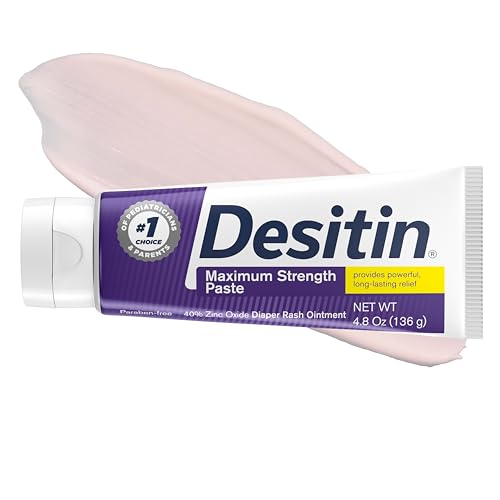
Desitin Maximum Strength Diaper Rash Paste, 40% Zinc Oxide, 4.8 oz | Helps Treat, Relieve & Prevent Diaper Rash, 40% Zinc Oxide, Immediate Relief, Protects up to 12 Hours, Hypoallergenic
Check price on Amazon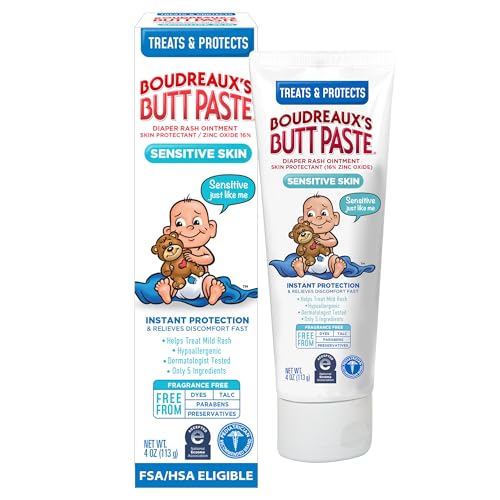
Boudreaux’s Butt Paste Sensitive Diaper Rash Cream, 4 Oz | Ointment for Sensitive Skin, Zinc Oxide Baby Diaper Rash Cream, Instant Protection for Mild Diaper Rash Irritation
Check price on Amazon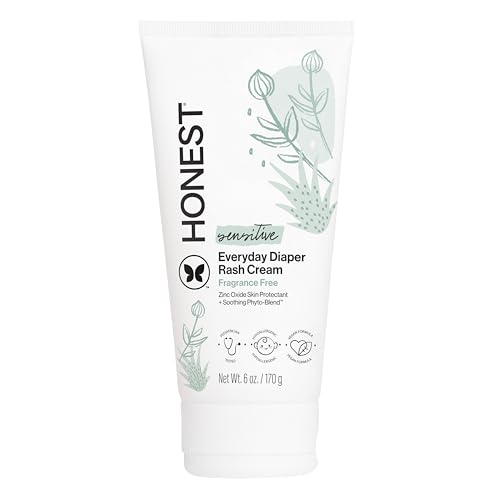
The Honest Company Diaper Rash Cream, Hypoallergenic, Cruelty-Free, 6 oz | Diaper Rash Cream, 6 Oz. Zinc Oxide, Hypoallergenic, Cruelty-Free. Moisturizing & Calming Relief For Diaper Rash.
Check price on Amazon
Desitin Maximum Strength Diaper Rash Cream, 40% Zinc Oxide, 16 oz | Helps Treat, Relieve & Prevent Diaper Rash, 40% Zinc Oxide, Immediate Relief, Protects up to 12 Hours, Hypoallergenic
Check price on Amazon
Aquaphor Baby Advanced Therapy Healing Ointment Skin Protectant, 7 OZ | Baby Skin Protectant with Petrolatum for Chapped or Dry Skin, Drool Rash and Diaper Rash, Hypoallergenic, Fragrance Free
Check price on AmazonDisclaimer
Baby product selection and parenting decisions involve personal preferences and individual circumstances. The information provided on CradleCheck is for educational and informational purposes only. We are not medical professionals, and our content should not replace professional medical advice, diagnosis, or treatment. Always consult with your pediatrician or healthcare provider regarding your baby's health and safety. Some content may use AI assistance. Always check product safety standards and recalls before purchasing. If you do not agree, please do not use this website. Read the full disclaimer.