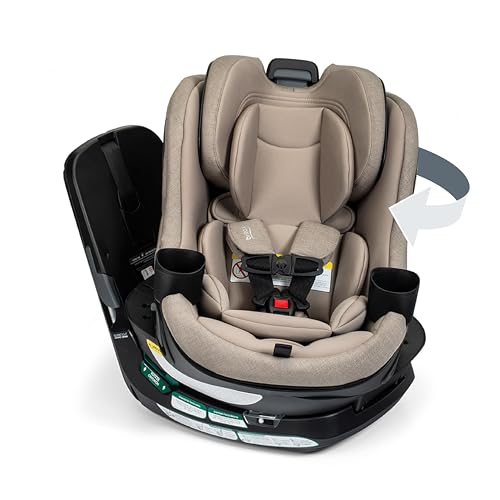
Flame Retardant Free Convertible Car Seat: A Complete Buying Guide
Choosing a convertible car seat without chemical flame retardants is a decision many parents make for peace of mind. This guide walks you through materials, safety standards, installation, and the features that matter most.
Why this matters: Traditional car seat fabrics and foams often contain halogenated flame retardants. A flame retardant free convertible car seat uses naturally flame-resistant materials and thoughtful design to meet the same federal safety standards, giving parents an alternative that aligns with a lower-chemical lifestyle.
What Is a Flame Retardant Free Convertible Car Seat?
A convertible car seat transitions from rear-facing for infants to forward-facing for toddlers and older children, so it grows with your child and reduces the need for multiple seats. The "flame retardant free" label means the manufacturer has chosen not to add chemical flame retardants to the fabric, foam, or padding. Instead, these seats rely on inherently flame-resistant materials such as wool blends, tightly woven synthetics, and structural design that meets or exceeds required flammability performance without added chemicals.
It is important to understand that "flame retardant free" does not mean the seat is less safe in a crash. All car seats sold must pass the same federal crash and flammability standards. The difference lies in how the manufacturer meets those standards — through material selection rather than chemical additives. If you are comparing options, our guide to the easiest to install convertible car seat can help you weigh installation convenience alongside material choices.
Why Parents Choose Flame Retardant Free Seats
Lower Chemical Exposure
Reducing added flame retardants in the fabrics and foam your child sits against every day is a priority for many families, especially during the infant and toddler years.
Same Safety Standards
These seats still meet federal motor vehicle safety standards for crash protection and flammability, so you are not trading away safety.
Comfort-Focused Materials
Manufacturers often use softer, breathable fabrics like merino wool blends and organic cotton, which can be gentler on sensitive skin.
Long-Term Use
A convertible design covers rear-facing, forward-facing, and often booster stages, making it a long-term investment for growing families.
Key Features to Compare
When evaluating flame retardant free convertible car seats, focus on the features that affect daily use and long-term safety. The table below summarizes the most important categories.
| Feature Category | What to Look For | Best For |
|---|---|---|
| Fabric & Foam | Merino wool blends, organic cotton, naturally flame-resistant synthetics, no added chemical retardants | Families prioritizing lower chemical exposure |
| Installation System | LATCH connectors, seat belt lock-offs, clear belt paths, level indicators | Parents who move the seat between vehicles |
| Harness Type | Five-point harness with no-rethread adjustment, easy-to-reach release | Growing children and quick adjustments |
| Weight & Height Limits | Rear-facing limits up to 40–50 lbs; forward-facing up to 65 lbs or more | Extended rear-facing and long-term use |
| Side Impact Protection | Deep side wings, energy-absorbing foam, adjustable headrest | Extra protection in side collisions |
| Recline Positions | Multiple recline angles for infant comfort and toddler upright positioning | Newborns through toddlers |
If installation ease is a top priority, explore our detailed guide to the easiest to install convertible car seat, which covers LATCH systems, belt paths, and level indicators in depth. For a broader look at harness safety, see our article on the five-point harness car seat.
How to Choose the Right Seat for Your Child
Start with your child's current weight and height, then check the seat's rear-facing and forward-facing limits. A seat that supports extended rear-facing is generally preferred because rear-facing is the safest position for as long as possible. Next, consider your vehicle: some seats fit compact back seats better than others, and a seat that installs easily in your car is more likely to be used correctly every time.
Material choice is the defining feature of a flame retardant free seat, so read the manufacturer's description carefully to confirm which fabrics and foams are used. Look for transparency about material sourcing and third-party testing. A seat with a five-point harness, a no-rethread adjustable headrest, and clear installation instructions will serve you well across multiple stages. For families who travel frequently, you may also want to compare a foldable travel car seat for secondary use.
Installation and Daily Use Tips
Correct installation is the single most important factor in car seat safety. Use the vehicle's LATCH system or seat belt according to the manufacturer's instructions, and always use the top tether when forward-facing. Check that the seat moves less than one inch at the belt path. Recline the seat appropriately for your child's age — newborns need a more reclined angle, while older children sit more upright.
In daily use, keep the harness snug against your child's body and position the chest clip at armpit level. Avoid adding bulky clothing or aftermarket inserts that were not included with the seat, as these can affect harness fit. If you are preparing for a newborn, our guide to the double stroller with car seat included and the double stroller with car seat adapter can help you plan for travel systems that work with your chosen seat.
Common Mistakes to Avoid
One common mistake is moving a child to forward-facing too early. Keep your child rear-facing until they reach the seat's rear-facing weight or height limit. Another mistake is installing the seat too loosely or skipping the top tether. Finally, avoid using a seat that has been in a moderate or severe crash, has expired, or has missing parts. Always register your car seat so you receive recall notifications.
If you are building a full travel and nursery setup, you may also find our guides on double stroller with car seat attachment and double strollers that hold infant car seats useful for coordinating gear across your vehicle and stroller choices.
Frequently Asked Questions
What does flame retardant free mean in a convertible car seat?
A flame retardant free convertible car seat is manufactured without added chemical flame retardants in its fabric and foam. Instead, it relies on naturally flame-resistant materials or physical design to meet or exceed safety requirements.
Are flame retardant free car seats as safe as conventional ones?
Yes. All car seats sold must meet the same federal safety standards. Flame retardant free models achieve compliance through alternative material choices and structural design, so they are equally safe in a crash.
How long can my child use a convertible car seat?
A convertible car seat typically supports children from the rear-facing infant stage through forward-facing toddler and booster years, often up to 65 pounds or more depending on the model. Check your seat's manual for exact limits.
Can I install a flame retardant free convertible car seat without a base?
Most convertible car seats are installed using the vehicle's seat belt or LATCH system and do not require a separate base. Always follow the manufacturer's installation instructions and use the top tether when forward-facing.
Ready to Compare Flame Retardant Free Convertible Car Seats?
Explore our curated selection of flame retardant free convertible car seats and find the right fit for your child, your vehicle, and your family's priorities.
Explore Options