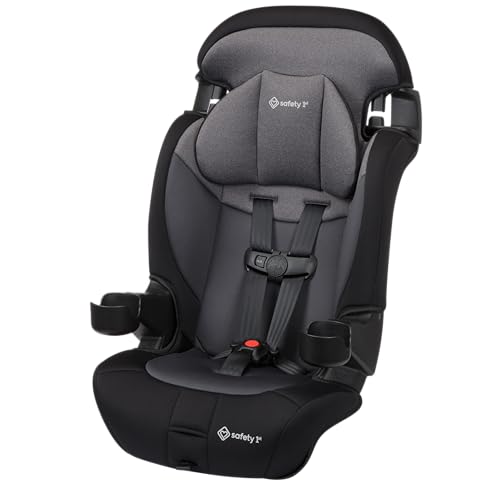
Five Point Harness Car Seat: The Complete Safety Buying Guide
Understand how a five point harness secures your child, how to fit and install it correctly, and which features matter when you compare entry-level, mid-range, and premium seats. Everything you need to choose with confidence.
Compare Seat TiersWhy the five point harness matters: A five point harness is the most secure restraint system available for young children in a vehicle. Five straps meet at a central buckle to hold the shoulders, hips, and crotch, distributing crash forces across the strongest parts of the body. Whether you are upgrading to a convertible seat or replacing an older model, understanding this system helps you make a safer choice for your child.
What Is a Five Point Harness Car Seat?
A five point harness car seat uses five separate anchor points that converge at a single buckle. Two straps cross the shoulders, two straps secure the hips, and one strap passes between the legs. When buckled and properly tightened, the harness keeps your child positioned against the seat shell and prevents them from sliding forward or sideways during a sudden stop or collision.
Compared with a three point harness, which relies on a lap and shoulder belt alone, the five point design adds the crotch strap and a second shoulder strap. This configuration reduces the chance of the child slipping out from under the harness and spreads energy over a wider area. It is the standard restraint style for infant carriers, convertible seats, and many forward-facing seats.
The Five Anchor Points Explained
Each of the five straps has a specific job. Understanding what each point does helps you check the fit every time your child gets in the seat.
- Left shoulder strap: Keeps the upper torso against the seat back and prevents the child from leaning forward or rotating out of the seat.
- Right shoulder strap: Works with the left strap to hold both shoulders evenly, especially important for side-impact protection.
- Left hip strap: Anchors the lower body and prevents the child from sliding sideways along the seat cushion.
- Right hip strap: Completes the lower-body anchor and keeps the lap portion snug across the pelvis.
- Crotch strap: Connects the lap straps and prevents the child from sliding forward under the harness, which is a common failure mode in three point systems.
Why a Five Point Harness Is the Safest Choice for Young Children
Crash Force Distribution
In a frontal collision, the five point harness spreads the deceleration force across the shoulders, chest, and pelvis. This reduces the load on any single area and keeps the child from being thrown forward. The harness also limits head excursion, lowering the risk of head contact with the vehicle interior.
Correct Positioning
Young children have proportionally large heads and weaker neck muscles. The five point harness holds the torso upright and centered, which is especially important in side-impact scenarios. A properly fitted harness keeps the child in the safest posture throughout the ride.
It is also worth noting that the harness works together with the seat shell and energy-absorbing foam. The straps alone are not enough; the seat must be installed tightly and the harness must be adjusted to your child's size. When you compare models, look for seats with easy-to-adjust harness heights and a smooth, tangle-free rethreading system.
How to Fit a Five Point Harness Correctly
Fit is the single most important factor in harness safety. Even the best seat loses effectiveness if the harness is loose or the chest clip is misplaced. Follow these steps every time your child rides.
- Position the harness height: For rear-facing seats, the shoulder straps should be at or below the child's shoulders. For forward-facing seats, they should be at or slightly above the shoulders. Check your seat manual for exact guidance.
- Buckle all five points: Listen for a clear click and tug on each buckle tongue to confirm it is locked.
- Remove slack: Pull the harness adjuster strap until the webbing is flat and snug. You should not be able to pinch excess webbing at the shoulders.
- Place the chest clip: Slide the chest clip to armpit level, across the sternum. It should sit flat and not dig into the neck or slide down toward the belly.
- Do the pinch test: Try to pinch the webbing at the shoulder. If you can fold the strap between your fingers, it is too loose.
- Check for twists: Run your fingers along each strap. Twisted webbing reduces the harness's ability to distribute force and can create pressure points.
Installation Basics: What Makes a Seat Easy to Install Correctly
Installation is where many parents struggle. A seat that is difficult to install is more likely to be installed incorrectly, which undermines the protection of the harness. When comparing seats, pay attention to these installation-related features.
LATCH and Seat Belt Systems
Most modern seats offer both LATCH (lower anchors and tethers for children) and a seat belt path. LATCH is convenient but has weight limits, so check your vehicle manual and seat manual. A seat belt installation with a lock-off or built-in lock-off can be a reliable alternative. Some seats now include a rigid LATCH system that clicks into place, reducing the chance of a loose install.
Tether Use
Forward-facing seats should always use the top tether when available. The tether reduces forward movement of the child's head in a crash. Rear-facing seats may also use a tether or an anti-rebound bar, depending on the model. Confirm whether your vehicle has tether anchor points before you decide on a seat.
When you are researching installation, you may also want to review guides on the easiest to install convertible car seat and the easy to install convertible car seat. For families who need to move the seat between vehicles, a foldable travel car seat can be a practical option, and flame-retardant-free convertible car seat options are worth considering if fabric composition matters to you.
Five Point Harness Seat Tiers Compared
The table below groups features by market tier. Use it to decide which tier matches your priorities, without relying on absolute figures. Every seat in every tier must meet the same federal safety standard; the differences are in convenience, materials, and long-term flexibility.
| Feature | Essential Tier | Balanced Tier | Top-Tier / Premium |
|---|---|---|---|
| Harness adjustment | Manual rethread | No-rethread headrest | No-rethread with multi-position headrest |
| Installation | Seat belt or basic LATCH | LATCH plus lock-off | Rigid LATCH or easy-click system |
| Fabric and padding | Standard fabric, basic padding | Softer fabric, added comfort padding | Premium fabrics, breathable layers, flame-retardant-free options |
| Harness weight range | Standard range | Extended range | Highest forward-facing harness limits in the category |
| Best for | Second vehicle, occasional use | Everyday family use | Long-term primary seat with premium features |
| Typical trade-off | Fewer convenience features | Balanced feature set | Higher upfront investment |
Entry-level seats are a solid choice for a caregiver's vehicle or a spare seat for grandparents. Mid-range models often hit the sweet spot for daily use, while premium and luxury tiers add refinements that make daily transitions smoother, such as magnetic buckle holders and washable, quick-release covers.
Common Five Point Harness Mistakes to Avoid
Loose Harness
The most frequent error is leaving slack in the harness. A loose harness allows the child to move forward before the straps engage, increasing injury risk. Always perform the pinch test after buckling.
Low Chest Clip
A chest clip positioned over the belly can cause internal injuries and allows the shoulder straps to slip off. Keep it at armpit level and check it after your child settles into the seat.
Twisted Straps
Twisted webbing concentrates force on a narrow area. Flatten each strap before buckling and check the path of the harness through the seat shell.
Bulky Clothing
Puffy coats create a gap between the child and the harness, which can lead to a loose fit once the coat compresses in a crash. Use thin layers and place a blanket over the harness instead.
When Can a Child Move Out of a Five Point Harness?
The move to a belt-positioning booster should be based on the seat's stated height and weight limits, not on age alone. Most experts recommend keeping a child in a five point harness until they reach the forward-facing harness limits of the seat. After that, a booster seat with a vehicle lap and shoulder belt is appropriate, but only if the child can sit correctly for the entire trip. Children who unbuckle, slouch, or put the shoulder belt behind them are not ready for a booster.
If you are planning for multiple children or need a second seat for travel, you may also find useful context in our guides on double stroller travel system with car seat and double strollers that hold infant car seats, which can help you coordinate seats across strollers and vehicles.
Frequently Asked Questions
What is a five point harness car seat?
A five point harness car seat uses five straps that meet at a central buckle to secure your child at both shoulders, both hips, and the crotch. This spreads crash forces across the strongest parts of the body and keeps the child positioned correctly during a sudden stop.
When can my child stop using a five point harness?
Most safety experts recommend keeping a child in a five point harness until they outgrow the seat's forward-facing harness limits, which is often around 40 to 65 pounds depending on the model. Move to a belt-positioning booster only after your child meets the seat's height and weight requirements and can sit correctly for the entire ride.
How tight should a five point harness be?
The harness should be snug enough that you cannot pinch excess webbing at the shoulder. A good rule is that the harness passes the pinch test with flat, untwisted straps, while still allowing you to slide one finger under the chest clip.
Where should the chest clip sit?
The chest clip should sit at armpit level, across the sternum. Placing it lower can allow the straps to slide off the shoulders, while placing it near the neck can cause discomfort or injury.
Are premium five point harness seats safer than entry-level ones?
All seats sold must meet the same federal safety standards. Premium and luxury tiers often add features such as easier installation systems, higher weight limits, flame-retardant-free fabrics, and more adjustable headrests, but the core harness protection is comparable when the seat is installed and fitted correctly.
Ready to Compare Five Point Harness Seats?
Review the recommended products below to see which tier and feature set fit your family's needs. Check availability and read full specifications before you decide.
Explore Recommended Seats