Diet for Breastfeeding Mothers to Increase Milk
Boost your milk supply naturally with the right foods and nutrition plan. Learn what to eat, what to avoid, and how to optimize your diet for successful breastfeeding.
Understanding the Breastfeeding Diet
Breastfeeding is one of the most demanding phases for a new mother's body. To produce enough milk for your baby, you need to consume enough calories, stay hydrated, and include specific nutrients that support lactation. A well-planned diet can significantly impact your milk supply, energy levels, and overall well-being. The goal is not just to eat more, but to eat smart, focusing on nutrient-dense foods that provide the building blocks for high-quality breast milk.
This guide will take you through everything you need to know about a diet for breastfeeding mothers to increase milk. From understanding the science behind lactation to practical meal ideas and shopping lists, we've got you covered. Whether you are a first-time mom or a seasoned parent, these insights will help you navigate the nutritional challenges of breastfeeding with confidence.
⚡ Key Takeaway: A balanced diet rich in protein, healthy fats, and complex carbohydrates, combined with adequate hydration and strategic use of galactagogues, is the foundation of a successful breastfeeding journey.
Why Your Diet Matters for Milk Production
The composition of your breast milk is influenced by what you eat. While the body prioritizes your baby's nutritional needs, it will pull from your reserves to ensure milk quality. This means you need to replenish your stores through a healthy diet. A lack of essential nutrients can lead to decreased milk supply, fatigue, and even postpartum depression. Therefore, understanding the importance of postpartum nutrition is crucial for both you and your baby.
Key Nutrients for Increasing Milk Supply
Certain nutrients are essential for lactation. Incorporating these into your daily meals can naturally enhance your milk production.
- Protein: Building blocks for breast milk. Include lean meats, poultry, fish, eggs, dairy, beans, lentils, and tofu.
- Healthy Fats: Essential for your baby's brain development and your energy. Sources include avocados, nuts, seeds, and fatty fish like salmon.
- Complex Carbohydrates: Provide sustained energy. Opt for whole grains like oats, quinoa, brown rice, and whole-wheat bread.
- Iron: Prevents anemia and supports energy. Red meat, leafy greens, and iron-fortified cereals are good sources.
- Calcium: Vital for bone health. Dairy products, fortified plant milks, and leafy greens are excellent choices.
- Folic Acid & Vitamin B12: Support red blood cell production and overall health.
- Hydration: Water is the most important element. Aim for 8-12 glasses of water daily, and increase intake with herbal teas and broths.
Galactagogues: Foods that Boost Milk Supply
Galactagogues are substances that promote lactation. They work by increasing prolactin, the hormone responsible for milk production. While they don't work for everyone, many mothers find them beneficial. Here are some of the most popular and effective galactagogues to include in your diet for breastfeeding mothers to increase milk.
Other effective galactagogues include brewer's yeast, flaxseed, alfalfa sprouts, and moringa. You can incorporate these into smoothies, oatmeal, or baked goods. Some mothers also find natural remedies like lactation teas helpful, which often combine several of these ingredients.
Foods to Avoid While Breastfeeding
While most foods are safe during breastfeeding, some may cause discomfort or affect milk supply. It's important to be mindful of your baby's reaction to your diet.
- Caffeine: Limit to 1-2 cups of coffee or tea per day to prevent irritability in your baby.
- Alcohol: If you choose to drink, wait at least 2 hours before breastfeeding to allow alcohol to leave your system.
- Fish High in Mercury: Avoid shark, swordfish, king mackerel, and tilefish. Opt for low-mercury options like salmon and sardines.
- Spicy Foods: Some babies may be sensitive to spicy flavors. Watch for signs of fussiness.
- Gassy Foods: Like broccoli, cabbage, and beans, which may cause gas in some babies. This varies by infant.
- Mint & Sage: High amounts can decrease milk supply, so consume in moderation.
It is also essential to be aware of any food allergies. If you suspect a reaction, talk to your pediatrician.
Sample Meal Plan for Increased Milk Supply
Here is a sample day of meals designed to maximize your nutrient intake and boost your milk supply.
- Breakfast: Oatmeal with flaxseed, banana slices, and a sprinkle of brewer's yeast. Drink a glass of water and a cup of lactation tea.
- Mid-Morning Snack: A handful of almonds and an apple.
- Lunch: Large spinach salad with grilled chicken breast, avocado, feta cheese, and quinoa. Add a side of lentil soup.
- Afternoon Snack: Greek yogurt with berries and a drizzle of honey.
- Dinner: Baked salmon with steamed asparagus and brown rice. Finish with a glass of warm milk.
- Evening Snack: A piece of whole-wheat toast with almond butter.
Remember to stay well-hydrated throughout the day by drinking water, herbal teas, and broths. A good rule of thumb is to drink a glass of water every time you breastfeed.
Hydration: The Unsung Hero
Dehydration is a common cause of low milk supply. Your body needs adequate fluids to produce milk. Aim for at least 2-3 liters of water per day, more if you're active or in a hot climate. Keep a large water bottle with you and sip throughout the day. Herbal teas like fenugreek, fennel, and nettle can double as hydration and galactagogues. Limit sugary drinks as they can cause energy crashes.
Supplements for Lactation
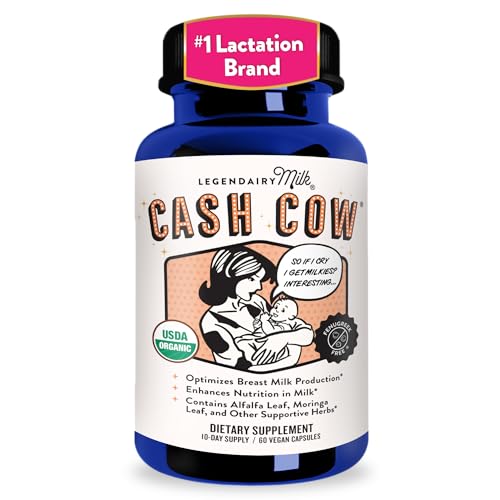
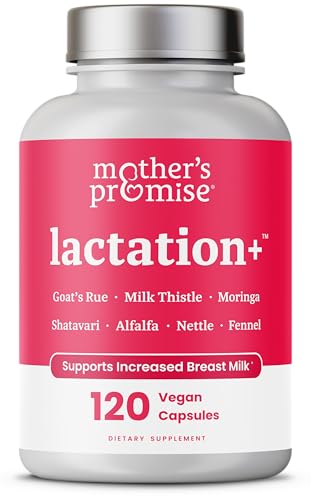
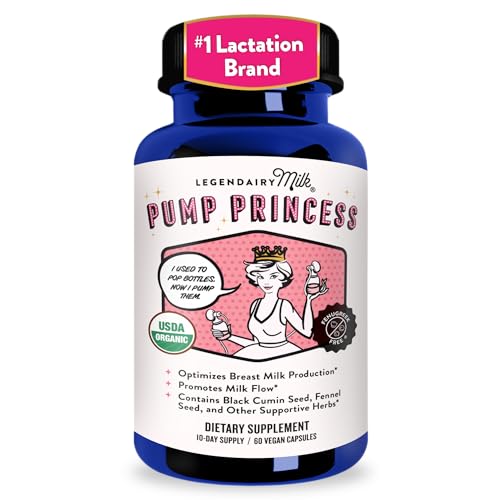
In some cases, dietary changes might not be enough. Supplementing your diet with targeted nutrients can be a game-changer. Common supplements for increasing milk supply include:
- Milk Thistle: Known to increase milk production.
- Fenugreek Capsules: A standard, well-researched galactagogue.
- Blessed Thistle: Often combined with fenugreek for better results.
- Omega-3 Fatty Acids: Important for brain health and can be found in fish oil or algae oil supplements.
- Vitamin D: Often deficient in breastfeeding mothers; supplements can help ensure your baby gets enough.
Always consult with your healthcare provider before starting any new supplement, especially while breastfeeding.
Practical Tips for Success
- Eat Frequent, Small Meals: Instead of 3 large meals, try 5-6 smaller ones to maintain energy and blood sugar levels.
- Meal Prep: Prepare ingredients and snacks in advance to make healthy eating easier during busy days.
- Listen to Your Body: If you are hungry, eat. Your body will signal when it needs more fuel.
- Reduce Stress: High cortisol levels can inhibit milk production. Find ways to relax, such as meditation, light walks, or napping.
- Nurse on Demand: Frequent nursing is the most effective way to signal your body to produce more milk. Feeding on demand, not on a schedule, can help establish a robust supply.
💡 Pro Tip: Your mental and emotional health is just as important as your diet. Taking care of yourself through proper nutrition is a form of self-care that directly benefits your baby. You are doing an amazing job.
We hope this comprehensive guide on the diet for breastfeeding mothers to increase milk has provided you with valuable insights. Remember, every mother's journey is unique. Be patient, give yourself grace, and continue to seek knowledge and support. For more guidance, check out our related articles on foods to eat while breastfeeding to avoid colic and diet plan for breastfeeding mothers to lose weight.