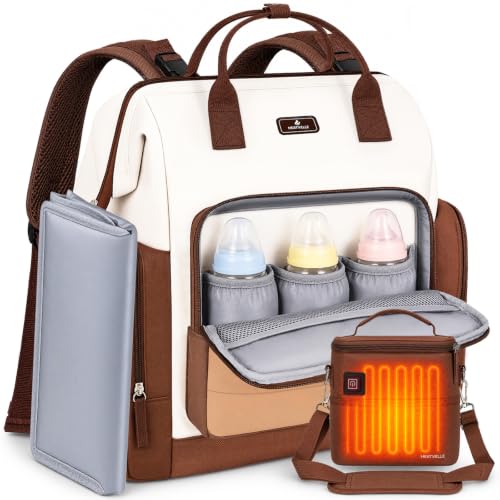
Diaper Bag Backpack with Cooler Compartment: The Complete Buying Guide
Keep bottles fresh, breastmilk safe, and snacks organized with a hands-free baby bag built for real parenting days. Learn what matters before you choose.
Why a cooler compartment changes everything: A diaper bag backpack with a cooler compartment solves one of the most frustrating parenting challenges — keeping milk, formula, and snacks at safe temperatures while you are away from home. Unlike standard diaper bags, these models include a dedicated insulated section lined with thermal material, often paired with a removable ice pack, so you can travel confidently for hours without worrying about spoilage.
Whether you are pumping and need to store breastmilk during a commute, heading out for a full day with a formula-fed newborn, or simply want snacks that stay fresh for your toddler, the insulated compartment turns your diaper bag into a mobile feeding station. This guide walks you through every feature that matters, from insulation quality and compartment layout to strap comfort and cleaning practicality.
What to Look For in a Diaper Bag Backpack with Cooler Compartment
Not all cooler compartments are built the same. Some are simple insulated pockets that barely hold a bottle, while others are fully lined thermal sections capable of keeping breastmilk cold for an entire workday. Understanding the differences helps you choose a bag that matches your daily routine rather than one that looks good but underperforms.
Insulation Quality
The best cooler compartments use thick, food-grade thermal lining with sealed seams. Look for models that include a removable ice pack or gel pack — these extend cooling time significantly compared to insulation alone.
Compartment Size
Check whether the cooler section fits your bottles, breastmilk storage bags, or snack containers. Some bags dedicate an entire side pocket to cooling, while others use a front compartment that can hold two to three bottles upright.
Separate Access
A cooler compartment with its own exterior zipper lets you grab a bottle without opening the main bag. This keeps the cold air inside and prevents warm air from spoiling the internal temperature.
Strap Comfort
Padded shoulder straps and a breathable back panel make a real difference during long outings. Mid-range and premium models typically include adjustable sternum straps that distribute weight evenly across your shoulders.
Organization Layout
Beyond the cooler, look for multiple pockets for diapers, wipes, changing pads, and personal items. A well-organized interior means you spend less time digging and more time attending to your baby.
Easy Cleaning
The cooler lining should be wipeable and leak-resistant. Spills happen, and a bag that cleans up quickly with a damp cloth saves you from scrubbing stains out of fabric every week.
Comparing Tiers: Entry-Level, Mid-Range, and Premium
Diaper bag backpacks with cooler compartments fall into three broad tiers. Each tier serves a different parenting stage and usage pattern, so matching the tier to your lifestyle is more useful than chasing the most feature-heavy option.
| Tier | Best For | Insulation & Cooling | Organization | Comfort |
|---|---|---|---|---|
| Entry-Level | Short outings, occasional use, parents who already carry a separate cooler | Basic thermal lining, ice pack often sold separately | Simple pocket layout, fewer compartments | Standard straps, adequate for quick trips |
| Mid-Range | Daily commutes, working parents, full-day outings | Reinforced insulation with included ice pack, dedicated exterior access | Multiple pockets including wipes dispenser and changing pad sleeve | Padded straps, breathable back panel, sternum strap |
| Premium | Frequent travel, extended trips, parents who want one bag for everything | Multi-layer insulation, large removable cooler insert, extended cooling time | Thoughtful compartment design, laptop sleeve, insulated snack section | Ergonomic padding, lumbar support, premium hardware |
Mid-range models usually offer the best balance for most families. They include reliable insulation, a usable ice pack, and enough organization to handle a full day without feeling like you are carrying a suitcase. Premium options are worthwhile for parents who travel frequently or need the cooler to function as a primary breastmilk storage solution during long commutes.
Real-World Use Cases for the Cooler Compartment
Understanding how the cooler compartment fits into your daily routine helps you evaluate whether a specific bag will actually work for your family. Here are the most common scenarios parents encounter.
Breastmilk Storage During Commute
Working parents who pump during the day need a reliable way to transport breastmilk home. A cooler compartment with a quality ice pack keeps expressed milk at a safe temperature during the commute, eliminating the need for a separate cooler bag.
Formula Feeding on the Go
Prepared formula bottles stay cold in the insulated section until feeding time. For parents who prepare bottles in advance, this removes the stress of finding refrigeration while out with a hungry baby.
Full-Day Outings with Toddlers
As babies grow, the cooler compartment transitions naturally into a snack cooler. Yogurt pouches, cheese sticks, and fruit stay fresh during park visits, zoo trips, and family outings.
Travel and Airports
Air travel with a baby requires careful planning around milk storage. A backpack with a dedicated cooler section simplifies security checks and keeps bottles cold during long layovers and flights.
Practical tip: If you are comparing this bag with a model that only has an insulated pocket, consider how long you typically stay out. A dedicated cooler compartment with a removable ice pack generally maintains safe temperatures longer than a basic insulated sleeve. For a related option, explore the diaper backpack with insulated pocket if you need lighter cooling for shorter trips, or the diaper bag backpack with insulated compartment for a similar design with different organization.
Key Features That Separate Good Bags from Great Ones
Beyond the cooler compartment itself, several design details determine whether a diaper bag backpack feels like a helpful tool or an awkward burden. These are the features experienced parents consistently prioritize after months of daily use.
- Wipeable interior lining: Spills and crumbs are inevitable. A smooth, wipeable lining in the main compartment and cooler section makes cleanup fast and prevents odor buildup.
- Exterior bottle pockets: Side pockets that stretch to hold bottles or a water bottle for yourself keep essentials accessible without opening the bag.
- Changing pad included: A foldable, washable changing pad that fits into a dedicated sleeve means you are always prepared for diaper changes anywhere.
- Wipe dispenser opening: A small exterior slot for pulling wipes through saves you from unzipping the entire bag during a messy change.
- Stroller attachment straps: Clips or straps that secure the backpack to a stroller handle let you switch between wearing and rolling the bag effortlessly.
- Anti-theft back pocket: A discreet pocket against your back is useful for keys, phone, and cards when you are in crowded places.
- Water-resistant exterior: A water-resistant coating on the outside fabric protects contents during unexpected rain or spills.
- Reinforced stitching at stress points: Look for reinforced seams at strap attachments and zipper ends — these are the first places to fail on lower-quality bags.
How to Choose the Right Diaper Bag Backpack for Your Family
Choosing the right bag comes down to matching its capacity and cooling performance to your actual daily routine. Parents who are out for two-hour errands have different needs than parents who commute for ten hours with pumped milk.
Start with your feeding method. If you are exclusively breastfeeding and only occasionally need to transport milk, an entry-level bag with a basic insulated pocket and a separate ice pack may be sufficient. If you pump regularly or formula-feed with prepared bottles, prioritize a mid-range or premium model with a dedicated cooler compartment and included ice pack.
Consider your carrying preference. Backpack-style diaper bags distribute weight across both shoulders, which is easier on your back than a shoulder bag or tote. If you already carry a purse or work bag, a backpack leaves your hands free and reduces the number of items you are juggling.
Think about longevity. A well-made backpack with a cooler compartment can serve your family well beyond the baby stage. The insulated section works for toddler snacks, and the organization pockets adapt easily to preschool essentials. Choosing a model with durable construction and a neutral design means you will not need to replace it after a few months.
If you are also planning for travel with a baby, pairing this bag with a lightweight travel stroller with car seat adapter creates a practical setup for airport days and city errands. And if you are still building your registry, consider how a cooler bag fits alongside other essentials like a portable crib mattress for pack n play for overnight trips and hypoallergenic wipes for sensitive skin.
Keeping Your Cooler Compartment Clean and Effective
Regular maintenance extends the life of the insulation and keeps the bag hygienic for food and milk storage. A few simple habits make a noticeable difference over months of use.
Wipe the cooler lining after every outing where it held bottles or snacks. Use a mild soap solution and a damp cloth, then leave the compartment open to air dry completely before zipping it closed. Moisture trapped inside the insulated section can encourage mold and degrade the thermal lining over time.
Freeze the ice pack thoroughly before each use and check for cracks or leaks regularly. Replace the ice pack if the outer material becomes damaged. Store the bag in a dry, ventilated area rather than a damp closet, and avoid leaving it in a hot car where the insulation and exterior fabric can degrade.
Frequently Asked Questions
A diaper bag backpack with a cooler compartment is a hands-free baby bag that includes a dedicated insulated section designed to keep bottles, breastmilk, and snacks at a safe temperature while you are on the go. The cooler compartment is typically lined with insulated material and may include a removable ice pack or gel pack.
Most insulated compartments with a quality ice pack can maintain cold temperatures for several hours, typically between four and eight hours depending on the insulation quality, ambient temperature, and whether the bag stays closed. Premium models with thicker insulation and secure zippers tend to perform better over longer outings.
Yes, the insulated compartment works well for both expressed breastmilk and prepared formula bottles. Just ensure both are properly sealed and stored at the correct temperature before placing them inside. Many parents also use the cooler section for snacks and pouches as babies grow into toddlerhood.
Comfort depends on the padding and strap design. Mid-range and premium models typically feature padded shoulder straps, breathable back panels, and adjustable sternum straps that distribute weight evenly. Entry-level options may have thinner padding, which is fine for short trips but can become tiring during long outings.
A dedicated cooler compartment paired with a high-quality ice pack is generally sufficient for day trips and travel within a few hours. For longer journeys or air travel, look for models with reinforced insulation and consider adding a secondary insulated pouch to maintain safe temperatures for extended periods.
Final Thoughts
A diaper bag backpack with a cooler compartment is one of those purchases that quietly makes parenting days smoother. It removes the mental load of figuring out where to store milk, how to keep bottles cold, and how to carry everything without losing your hands. When you choose a model that matches your feeding routine and carrying style, the bag becomes a reliable part of your daily setup rather than another item to manage.
Focus on insulation quality, compartment size, and strap comfort first. Those three factors determine whether the cooler function actually works for your family. Organization features and fabric durability round out the decision and ensure the bag lasts through the toddler years and beyond.