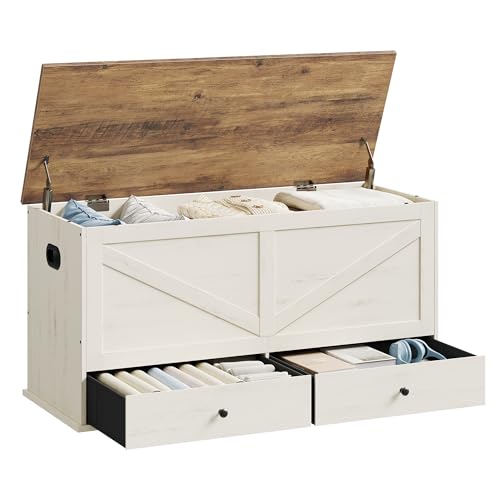
Decorative Toy Storage for Living Room
Blend playful function with beautiful design. Discover stylish storage solutions that keep toys organized while complementing your living room decor.
Why settle for clutter when your living room can look effortlessly pulled together? A living room shared with children does not have to feel like a toy store. The right decorative storage pieces transform scattered playthings into an intentional part of your home's design. This guide walks you through the best options, materials, and strategies for choosing decorative toy storage that works as hard as it looks good.
Why Decorative Toy Storage Belongs in Your Living Room
The living room is the heart of the home. It is where families gather, guests are welcomed, and daily life unfolds. When toys take over this shared space, it can feel chaotic. Decorative toy storage solves that problem by treating organization as part of the interior design rather than an afterthought.
Functional storage that doubles as decor offers several advantages:
- Seamless integration: Baskets, benches, and cabinets blend with your existing furniture rather than fighting it.
- Quick cleanup: Open bins and low shelves make it easy for children to help tidy up.
- Better use of space: Storage furniture can serve as seating, side tables, or accent pieces.
- Reduced visual noise: Closed storage hides colorful toys that clash with your room's palette.
- Long-term durability: Decorative pieces are often built with premium materials that outlast basic plastic bins.
Types of Decorative Toy Storage for Living Rooms
Choosing the right storage type depends on how your family uses the space, the age of your children, and the aesthetic you want to maintain. Here is a breakdown of the most popular options, each with distinct strengths.
Woven Baskets and Fabric Bins
Woven baskets made from seagrass, cotton rope, or jute add texture and warmth to a living room. They are lightweight, easy to move, and come in a range of sizes. Fabric bins with reinforced handles are a practical alternative that can be spot-cleaned. These work best for children old enough to carry bins to a play area and return them. For families with very young children, consider bins without lids for easy access.
Storage Ottomans and Benches
A storage ottoman or upholstered bench with a lift-up lid offers dual purpose: seating and concealed storage. These pieces fit naturally into living room layouts and are available in fabrics and finishes that match sectionals and accent chairs. Look for models with safety hinges that prevent the lid from slamming on small fingers. Interior compartments can be divided for better organization.
Toy Chests and Trunks
Wooden toy chests and decorative trunks are classic choices that add character to a room. Many are designed with slow-closing lids and ventilation holes for safety. They offer generous capacity and can double as a coffee table or window seat. For a more refined look, consider a trunk with metal hardware or a hand-painted finish that complements your decor.
Open Shelving and Cubby Units
Low-profile cubby units with fabric or woven inserts keep toys visible and accessible. When styled deliberately, open shelving can look intentional and neat. Group items by type and use matching bins to create a cohesive appearance. This option works well in living rooms where you want to encourage independent play and easy cleanup.
Multifunctional Furniture
Pieces like a convertible crib with storage demonstrate how furniture can evolve with a family. In living spaces, look for coffee tables with lift-up tops or benches with hidden compartments. These designs are particularly useful in smaller homes where every piece of furniture must earn its place.
Materials and Build Quality: What to Look For
The materials used in decorative toy storage determine how well the piece holds up to daily use. Here is how common materials compare.
Fabric and Non-Woven Bins
Lightweight and foldable. Best for temporary or rotating storage. Look for reinforced handles and sturdy seams. Suitable for older children and light loads.
Woven Natural Fibers
Seagrass, jute, and cotton rope offer durability and visual texture. These materials age gracefully and suit most decor styles. Check for smooth interiors to avoid snagging toys.
Painted or Laminate Wood
Solid construction with non-toxic finishes. Easy to wipe clean and available in many colors. Ensure edges are rounded and hardware is securely attached.
Solid Hardwood and Upholstered Pieces
Furniture-grade construction with premium joinery. These pieces are designed to last and can be passed down. Look for tip-over restraints and slow-close hinges as standard features.
A mid-range piece typically offers smoother mechanisms and more consistent finishes than an entry-level model. If you plan to keep the storage piece in a main living area for years, investing in a higher tier often proves efficient in the long run.
Design and Aesthetic Considerations
Decorative storage should feel like a natural extension of your living room, not an intrusion. Keep these design principles in mind.
- Color harmony: Choose bins and furniture in tones that echo your existing palette. Neutral baskets and wood finishes are versatile; bold colors can serve as accent pieces.
- Scale and proportion: A storage bench should align with the scale of your sofa or media console. Oversized pieces can overwhelm a small room.
- Texture variety: Mixing woven baskets with wood furniture and upholstered seating adds depth without visual clutter.
- Intentional display: Not every toy needs to be hidden. A few beautifully made wooden toys or books can be displayed on open shelves as part of the room's styling.
For rooms with a specific theme, such as a custom wooden name sign as a focal point, coordinate storage pieces to support that theme. The goal is cohesion, not uniformity.
Organization Strategies That Actually Work
Even the most beautiful storage will not stay tidy without a system. These strategies help maintain order in a shared living space.
Living Room Toy Storage Checklist
- Rotate toys regularly: Keep a small selection available and store the rest elsewhere. This reduces clutter and keeps toys feeling fresh.
- Use labeled bins: Simple labels with words or pictures help children know where things belong.
- Create a drop zone: Designate a basket or bin near the entry to the living room for quick toy deposits.
- Set a daily reset routine: A five-minute tidy-up before dinner or bedtime keeps clutter from accumulating.
- Involve children in cleanup: Make tidying part of the play routine. Songs or timers can turn cleanup into a game.
- Limit the number of bins: Too many containers can be overwhelming. Start with three to five and adjust as needed.
- Keep a donate box: Regularly sort through toys and remove broken or unused items to prevent overflow.
For families preparing a nursery or play space, the same principles apply. A well-organized room supports smoother daily routines, whether you are setting up a convertible crib with changing table and drawers or a simple reading corner.
Safety Considerations for Toy Storage
Safety should never take a back seat to style. When selecting decorative toy storage for a living room, keep these points in mind.
- Tip-over prevention: Any furniture taller than 30 inches should be anchored to the wall with a tip-over restraint kit.
- Lid safety: Toy chests and storage ottomans should have slow-closing hinges or lid supports to prevent pinching and trapping.
- Ventilation: If a trunk or chest has a lid, ensure it includes ventilation holes for safety.
- Non-toxic finishes: Look for low-VOC or water-based finishes, especially for pieces that children will handle frequently.
- Age-appropriate access: For younger children, choose open bins at their height level. Avoid heavy lids or drawers that require adult strength.
- Small parts warning: Check that handles, knobs, and decorative elements are securely attached and cannot become choking hazards.
If your living room doubles as a sleep space or nap area, consider how storage pieces interact with other baby gear. A compact baby gear setup benefits from the same clutter-free principles.
Pros and Cons of Popular Decorative Storage Options
Every storage solution has trade-offs. Here is a balanced look at the most common choices.
Pros of Open Bins and Baskets
- Easy for children to access and return items
- Visible contents encourage independent play
- Lightweight and movable
- Wide range of styles and materials
Cons of Open Bins and Baskets
- Contents remain visible, which can look cluttered
- Small toys can get lost at the bottom
- Fabric options may show stains over time
Pros of Closed Storage (Ottomans, Chests)
- Hides clutter completely for a tidy look
- Doubles as seating or a surface
- Keeps dust off toys
Cons of Closed Storage (Ottomans, Chests)
- Children may need help accessing contents
- Contents can become disorganized inside
- Requires safe lid mechanisms
Making Your Living Room Work for the Whole Family
A living room that serves both adults and children does not have to compromise on style. The key is intentional design. Choose storage pieces that reflect your personal aesthetic, set up simple systems that children can follow, and regularly edit the contents to prevent overflow.
For families with multiple children or a growing collection of toys, consider how storage needs may change over time. A convertible crib with changing table and dresser can be repurposed as children grow, and similarly, versatile storage furniture can adapt to changing needs. If you are also planning a nursery, the same organizing principles apply. Explore our guide on creative toy storage for living room ideas for even more inspiration.
Frequently Asked Questions
How can I hide toys in the living room without sacrificing style?
Choose storage furniture that doubles as decor, such as decorative baskets, storage ottomans, or toy storage benches. These pieces blend with your living room aesthetic while keeping toys concealed and organized.
What is the best type of toy storage for a living room?
The best type depends on your space and needs. Open bins work well for quick cleanup and visibility, while closed cabinets or trunks are ideal for hiding clutter. Consider a mix of both for flexibility.
How do I keep toy storage organized in a shared living space?
Use labeled bins, a rotation system for toys, and designated zones. Encourage children to return toys to their designated spots daily. Furniture with compartments and removable bins makes cleanup quick and easy.
Are decorative toy storage pieces safe for children?
Yes, when properly selected. Look for non-toxic finishes, rounded edges, tip-over restraints for furniture, and lid supports on trunks. Always check age recommendations and safety certifications.
Final Thoughts
Decorative toy storage for the living room is about more than just tidying up. It is about creating a home where every member of the family feels welcome. With the right pieces and a simple organization system, your living room can remain a stylish, comfortable space for adults while still being a welcoming place for children to play.
Start with one or two pieces that suit your space and style, and build from there. The best storage solution is the one that fits your family's daily life and makes cleanup feel effortless.