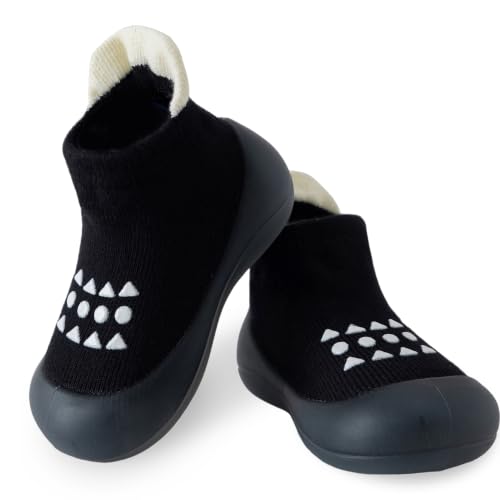
How to Choose the Best Baby Walking Shoes
Selecting the right baby walking shoes is a significant milestone for both you and your little one. The transition from crawling to walking is a complex developmental stage, and the right footwear can support this journey. Here's what you need to know to make the best choice for your child's feet.
Key Features to Look For
✅ Flexible Soles
The sole should be flexible enough to allow natural foot movement. A good test is to bend the shoe at the ball of the foot—it should bend easily. This promotes natural muscle development and gait.
✅ Lightweight & Breathable
Heavy shoes can tire out little legs and make walking harder. Choose breathable materials like leather, mesh, or canvas to keep feet cool and comfortable, reducing the risk of blisters and discomfort.
✅ Secure Fit with Adjustable Closures
Velcro straps or laces ensure a snug, secure fit that accommodates growing feet. A proper fit prevents the foot from sliding forward, which can cause toe injuries and blisters.
✅ Non-Slip Soles
Look for rubber soles with a good tread pattern to provide traction on various surfaces. This helps prevent slips and falls as your baby gains confidence in their walking abilities.
How to Measure Your Baby's Feet for Walking Shoes
A proper fit is the most important factor when choosing baby walking shoes. Poorly fitted shoes can cause blisters, hinder natural foot development, and lead to problems later in life. Follow these professional tips to ensure the perfect fit.
- Measure at the End of the Day: Feet tend to swell slightly throughout the day. Measuring in the afternoon gives you the most accurate size.
- Standing is Key: Have your baby stand with their full weight on the foot you're measuring. This ensures the foot is fully spread for an accurate length and width.
- Check the Thumb's Width: There should be about a thumb's width (half an inch) of space between the longest toe and the end of the shoe. This allows room for growth and movement.
- Check the Width: The shoe should be wide enough so the foot doesn't bulge over the sides. Don't rely on shoe size alone, as widths vary by brand.
- Both Feet Matter: Measure both feet, as they can be slightly different sizes. Always fit the larger foot.
Price Range Insight: Quality baby walking shoes typically range from $30–$70. Premium brands with specialized features for foot development can cost up to $100+. Investing in a well-made shoe is a wise decision for your baby's long-term foot health.
When Should Babies Start Wearing Walking Shoes?
It's a common misconception that babies need shoes as soon as they start standing. In reality, going barefoot or wearing non-slip socks is best for indoor walking, as it allows for maximum sensory feedback and muscle development. However, once your baby begins walking outdoors, shoes are essential for protection against rough surfaces and sharp objects.
Transition to baby walking shoes when your child is walking with confidence—usually around 12 to 18 months. At this stage, they need the support and protection that a good pair of shoes provides. For early walkers who are just finding their balance, consider "pre-walkers" or very flexible-soled shoes that mimic barefoot conditions.
Foot Health & Safety Tips
Ensuring your baby's foot health goes beyond just buying the right shoes. Here are some essential safety and maintenance tips to keep in mind.
Inspect Shoes Regularly
Check for signs of wear, such as loose soles or tears. Replace shoes that are worn out to maintain proper support and safety.
Keep Feet Clean & Dry
Bacteria and fungi thrive in warm, moist environments. Ensure your baby's feet are washed and thoroughly dried, especially between the toes.
Monitor Foot Growth
Children's feet grow rapidly. Check the fit every 2-3 months to ensure there's still adequate room. A too-small shoe can cause deformities.
Let Baby Go Barefoot Indoors
Barefoot walking on safe, clean surfaces is excellent for sensory and motor development. Save the shoes for outdoor excursions.
Top Mistakes Parents Make When Buying Baby Walking Shoes
Many parents, especially first-timers, fall into common pitfalls. Avoid these mistakes to ensure you choose the best possible shoes for your child's developing feet.
- Buying Oversized Shoes: While it's tempting to buy shoes that will last longer, shoes that are too big can cause tripping and instability. Always stick to the thumb's width rule.
- Choosing Shoes that are Too Stiff: Stiff soles restrict natural foot movement and can hinder the walking process. Prioritize flexibility.
- Ignoring the Width: Many shoes come in standard widths, but if your baby has wider or narrower feet, seek out appropriate width options to ensure a comfortable fit.
- Forgetting to Check for Durability: Babies are tough on their belongings. Choose shoes with durable materials and reinforced stitching that can withstand daily use.