Yeast Diaper Rash: Complete Guide & Best Treatments
Identify, treat, and prevent fungal diaper rash with expert advice. Discover the most effective creams and care routines for your baby's sensitive skin.
Yeast diaper rash is a common fungal infection that affects many babies. Unlike standard diaper rash, this condition is caused by an overgrowth of Candida (a type of yeast) and requires specific treatment. Recognizing the signs early and using the right diaper rash cream can make all the difference. This guide covers everything you need to know—from causes and symptoms to the best anti-fungal creams and home care strategies.
What Is Yeast Diaper Rash?
Yeast diaper rash is a fungal infection that thrives in warm, moist environments—exactly the conditions inside a diaper. The most common culprit is Candida albicans, the same yeast responsible for oral thrush. This rash is characterized by bright red, raised patches with small red dots (satellite lesions) around the edges. It can be stubborn and painful, often lasting longer than a regular diaper rash.
Unlike irritant dermatitis, yeast rashes don't respond to standard barrier creams. They require an antifungal medication, which is why it's crucial to distinguish between the two. If your baby has been on antibiotics or has a weakened immune system, they are at higher risk.
Common Causes
- Warm, damp environment: Infrequent diaper changes create a breeding ground for yeast.
- Antibiotics: These can kill off good bacteria, allowing yeast to overgrow.
- Friction: Tight diapers or clothing can irritate the skin, making it more susceptible.
- Diet changes: Introducing new foods can alter the acidity of stool, promoting yeast growth.
- Oral thrush: Yeast in the baby's mouth can pass through the digestive tract and cause a rash.
Symptoms to Watch For
- Bright red rash: The skin appears intensely red, often with a shiny appearance.
- Satellite lesions: Small red bumps or pimples around the main rash area.
- Skin folds: Yeast rashes often affect the skin folds in the groin area.
- Persistent rash: It doesn't improve after 2-3 days of using a standard diaper cream.
- Blisters or oozing: In severe cases, the rash may become weepy or develop open sores.
Most Effective Treatments for Yeast Diaper Rash
Treating a yeast diaper rash effectively requires a two-pronged approach: using the right antifungal medication and practicing diligent diaper care. Over-the-counter antifungal creams containing clotrimazole or miconazole are typically the first line of defense. For persistent cases, a pediatrician may prescribe a stronger treatment like nystatin or an oral antifungal.
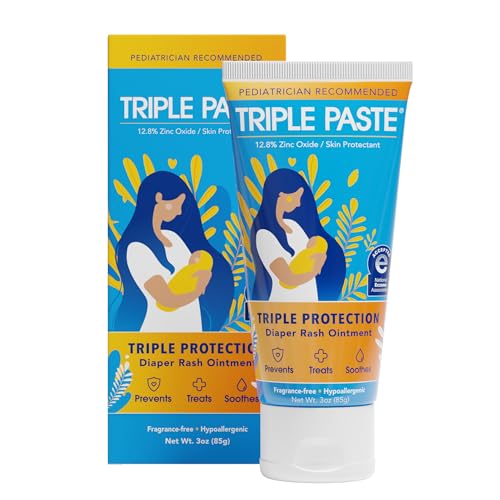
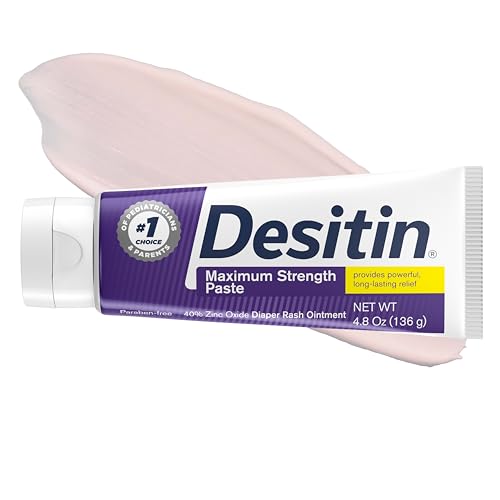
Applying a thick layer of an antifungal cream at each diaper change is crucial. You can also use a barrier cream like zinc oxide on top to protect the skin from moisture. Always wash your hands thoroughly before and after application to prevent spreading the infection. If you're unsure which product to choose, our guide on best diaper rash creams can help you compare options.
Essential Diaper Care Tips
While medication treats the fungus, proper diaper care prevents it from returning. Here are some actionable tips:
- Change diapers frequently: Aim for every 2-3 hours, or as soon as the diaper is wet or soiled.
- Air dry: Let your baby go diaper-free for short periods to allow the skin to breathe.
- Gentle cleaning: Use warm water and a soft cloth instead of wipes that contain alcohol or fragrance.
- Pat, don't rub: Gently pat the skin dry to avoid further irritation.
- Choose breathable diapers: Superabsorbent, breathable diapers can help keep moisture away from the skin.
Consistency is key—combining these habits with the right treatment will resolve the rash faster and reduce the chance of recurrence.
How to Prevent Yeast Diaper Rash
Prevention is always better than cure. To minimize the risk of a yeast diaper rash, make sure your baby's diaper area stays as dry and clean as possible. Using a barrier cream with every diaper change can protect the skin from moisture and friction. If your baby is on antibiotics, consider giving them a probiotic supplement (after consulting your pediatrician) to maintain healthy gut flora.
It's also wise to avoid tight-fitting diapers or clothing that can trap heat and moisture. When choosing baby care products, opt for hypoallergenic and fragrance-free options. For more tips on overall skin health, check out our baby care guides.
When to See a Pediatrician
Most cases of yeast diaper rash can be managed at home with over-the-counter treatments and proper care. However, you should consult a healthcare professional if:
- The rash doesn't improve within 3-4 days of treatment.
- The rash spreads or becomes more painful.
- Your baby develops a fever or seems unusually fussy.
- You notice blisters, pus, or open sores.
- Your baby has a weakened immune system or is under 6 weeks old.
A pediatrician can provide a definitive diagnosis and may prescribe a stronger antifungal cream or oral medication if needed.
Final Thoughts: Yeast diaper rash can be distressing for both baby and parents, but with the right knowledge and tools, it's highly manageable. By identifying the symptoms early, using the appropriate anti-fungal cream, and maintaining good diaper hygiene, you can soothe your baby's skin quickly and effectively. Remember, every baby is different—what works for one may not work for another. Be patient and consult your pediatrician if you have any concerns. For more expert advice on baby care, explore our comprehensive guides.