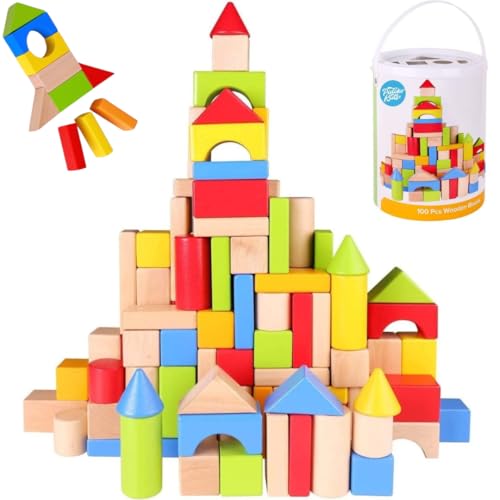
Wooden Building Blocks: The Ultimate Guide to Creative & Educational Play
From classic ABC blocks to open-ended architectural sets, discover why wooden blocks are a timeless investment in your child’s development. This guide covers benefits, safety, types, and how to choose the perfect set for every age.
Why wooden blocks? They’re more than toys—they’re tools for problem-solving, spatial awareness, and fine motor skills. Unlike plastic alternatives, wooden blocks are durable, sustainable, and offer a sensory experience that captivates children. Whether you’re looking for a STEM toy for 3‑year‑olds or a classic set for your newborn’s future, this guide helps you make a confident choice.
Why Wooden Building Blocks Matter
🧠 Cognitive Growth
Boosts problem-solving, pattern recognition, and early math concepts through stacking, sorting, and balancing.
🤲 Fine Motor Skills
Grasping, lifting, and placing blocks strengthens hand-eye coordination and dexterity—essential for writing later on.
🌱 Open‑Ended Play
No rules, no screens. Children build towers, castles, or entire cities, fostering creativity and independence.
Types of Wooden Building Blocks
🧩 Classic Unit Blocks
Standardized sizes (1:2:4 ratio) that work with any set. Perfect for building houses, bridges, and symmetrical structures.
🔤 Alphabet & Number Blocks
Educational blocks with letters, numbers, or pictures. Great for early literacy and counting—also makes a lovely newborn gift.
🌈 Rainbow & Arch Blocks
Colorful, curved blocks that encourage imaginative stacking and balancing. Often used in Montessori play.
🏗️ Magnetic Wooden Blocks
Wooden blocks with embedded magnets for added stability and 3D building possibilities (great for older toddlers).
Safety & Material Guide
- Wood type: Beech, maple, or rubberwood are durable and splinter-resistant. Avoid cheap pine that dents easily.
- Finish: Non‑toxic, water‑based paints or natural oils. Look for ASTM F963 or EN71 certification.
- Size: Blocks smaller than 1.25″ pose a choking hazard for children under 3.
- Weight: Heavier blocks (solid wood) feel sturdier but can be dangerous if thrown—supervision is key.
For extra peace of mind, check our guide on non‑toxic nursery furniture—the same principles apply to toys.
✅ Pro tip:
Choose blocks with rounded edges and a smooth surface. Run your hand over them—if it feels rough, it’s not safe for little hands.
Best Wooden Blocks by Age
- 6–12 months: Large, lightweight blocks with bright colors and simple shapes (e.g., beginner stacking rings). Tummy time tools can complement early play.
- 1–2 years: Unit blocks (2–3″) and chunky alphabet blocks. Focus on stacking and knocking down—cause and effect!
- 3–4 years: Complex sets with arches, pillars, and ramps. Introduce STEM toys for 3‑year‑olds to boost engineering thinking.
- 5+ years: Marble runs, architectural blocks, or magnetic wooden sets. Pair with kids’ wooden table and chairs for a dedicated building station.
Top Wooden Block Sets Compared
*Prices are indicative and may vary. Check current prices via the affiliate links below.
How to Choose the Perfect Wooden Block Set
- Age & skill level: Start simple for younger children, and add complexity as they grow.
- Material quality: Solid hardwood > plywood. Check for splintering and paint chipping.
- Versatility: Sets with multiple shapes (cubes, cylinders, arches) offer more play value.
- Storage: Some sets come with a wooden tray or canvas bag—great for keeping toy storage tidy.
- Expandability: Look for brands that sell add‑on sets (e.g., vehicles, people, or extra arches).
Making the Most of Wooden Blocks
- 🏠 Build a city: Combine blocks with toy cars and animals.
- 📐 Learn shapes & symmetry: Ask your child to copy a pattern you’ve made.
- 🔢 Counting & sorting: Group blocks by color or size—a great early math activity.
💡 Pair blocks with other open-ended toys like magnetic tiles or toddler puzzles for a complete learning station.
Frequently Asked Questions
Are wooden blocks safe for teething babies? Yes, if they are finished with non‑toxic paint and large enough not to be a choking hazard. Always supervise.
How do I clean wooden blocks? Wipe with a damp cloth and mild soap; never soak. Air‑dry completely. Avoid harsh chemicals.
Can I use wooden blocks outdoors? Not recommended—moisture can cause warping and mold. Keep them indoors for longevity.
📌 You might also like: kids’ activity table ideas · kids’ furniture · creative toy storage · tummy time tips