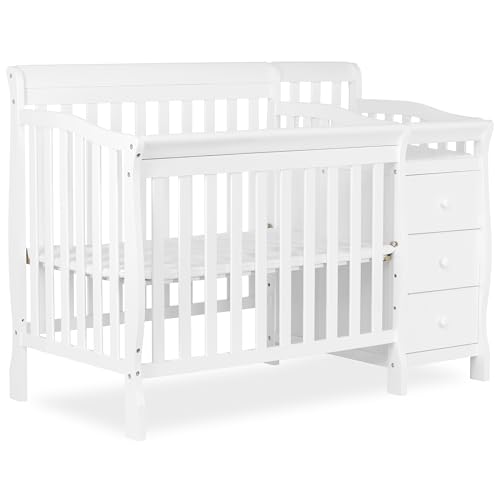
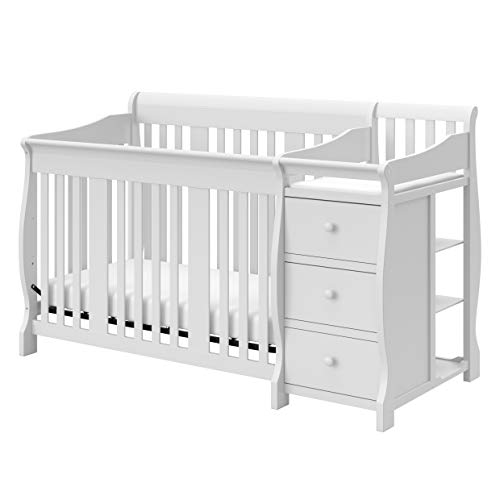
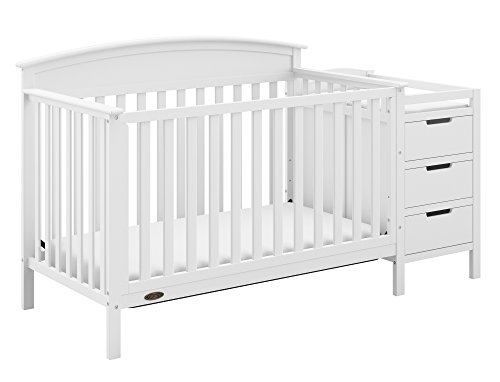
White Crib with Changing Table and Drawers: The Complete Nursery Solution
Discover how an all-in-one white crib with changing table and drawers can simplify your nursery setup, maximize space, and provide a beautiful, functional foundation for your baby's room.
Explore the GuideWhy choose an all-in-one nursery furniture piece? A white crib with changing table and drawers combines three essential nursery functions into a single, cohesive unit. This integrated design eliminates the need for separate furniture pieces, saving valuable floor space while creating a streamlined, visually appealing nursery. For parents navigating small rooms or seeking a clean, minimalist aesthetic, this multi-functional approach offers practical benefits without compromising on style or safety. This guide walks you through every consideration—from safety standards and material quality to layout planning and long-term usability—so you can make a confident, informed decision.
Understanding the All-in-One Crib Design
A white crib with changing table and drawers is more than just a piece of furniture—it's a carefully engineered system designed to support your daily parenting routine. The typical configuration includes a full-size crib on one side, a changing station at an accessible height on the other, and a stack of drawers beneath or beside the changing area. This arrangement keeps everything you need within arm's reach during diaper changes, midnight feedings, and nap-time check-ins.
Most models available today feature convertible designs, meaning the crib portion can transition into a toddler bed, daybed, or even a full-size bed as your child grows. This adaptability makes the investment a long-term one, extending the furniture's useful life well beyond the infant stage. When paired with a white dresser with changing table top, you can create a coordinated nursery set that feels intentional and polished.
The white finish itself is a deliberate choice for many parents. White reflects light, making small nurseries feel larger and brighter. It also provides a neutral backdrop that works with virtually any color scheme or theme, from soft pastels to bold accent walls. And practically speaking, white furniture makes it easier to spot dust, spit-up, or any mess that needs immediate attention.
Key Benefits of a White Crib with Changing Table and Drawers
Space Efficiency
Combining three furniture pieces into one footprint frees up floor space for play areas, rocking chairs, or additional storage. This is especially valuable in smaller nurseries or shared bedrooms where every square foot counts.
Unified Aesthetic
A single coordinated unit eliminates the guesswork of matching separate pieces. The result is a polished, intentional look that feels designer-curated rather than pieced together.
Convenience During Changes
Having diapers, wipes, creams, and fresh clothes stored directly beneath the changing surface means you never have to step away from your baby during a diaper change—a significant safety advantage.
Long-Term Adaptability
Convertible models transform from crib to toddler bed and beyond, while the drawer storage remains useful for years. This adaptability makes the furniture a worthwhile long-term investment.
Simplified Organization
Dedicated drawers keep nursery essentials sorted and accessible. Onesies in one drawer, sleep sacks in another, and burp cloths within reach—everything has its place.
Easy Maintenance
White finishes are simple to clean and touch up. Most models feature wipeable surfaces that stand up well to the inevitable spills and messes of baby life.
What to Look For When Choosing
Not all all-in-one cribs are created equal. The following criteria will help you evaluate models across different tiers and identify the one that best fits your family's needs.
Essential Evaluation Criteria
- Safety certifications: Ensure the crib meets CPSC (Consumer Product Safety Commission) standards and carries the JPMA (Juvenile Products Manufacturers Association) certification. These confirm the product has passed rigorous safety testing.
- Sturdy construction: Look for solid wood or high-grade engineered wood construction. Avoid particle board that may weaken over time. Check that joints are reinforced and the overall build feels stable.
- Adjustable mattress height: A crib with multiple mattress height positions (typically three or four) allows you to lower the mattress as your baby grows and begins to sit or stand.
- Changing surface height: The changing table portion should be at a comfortable height for you—typically around waist level—to prevent back strain during frequent changes.
- Drawer quality: Check that drawers glide smoothly on metal runners (not plastic), have dovetail or reinforced joints, and include safety stops to prevent them from pulling out completely.
- Non-toxic finish: Choose a crib with a water-based, low-VOC finish that is free from lead and harmful chemicals. This is especially important for furniture in a baby's sleeping environment.
- Weight capacity: Verify the weight limits for both the crib mattress and the changing surface. Exceeding these limits can compromise safety.
- Assembly requirements: Review assembly instructions before purchasing. Some models require professional assembly or multiple people to complete safely.
Comparing Tiers: What to Expect
All-in-one cribs are available across a range of quality tiers. Understanding these distinctions helps you align your expectations with the product you choose.
| Tier | Construction & Materials | Drawer Quality | Convertibility | Best For |
|---|---|---|---|---|
| Entry-Level | Engineered wood with laminate finish; lighter overall weight | Basic drawer glides; may lack soft-close or full-extension features | Typically converts to toddler bed only | Families seeking a practical starter solution with core safety features |
| Mid-Range | Solid wood or mixed wood construction; durable painted or stained finish | Metal drawer runners; some models include soft-close mechanisms | Converts to toddler bed and daybed | Parents wanting a balance of durability and versatile long-term use |
| Premium | Solid hardwood construction; hand-finished or premium painted surfaces | Full-extension metal glides with soft-close; dovetail drawer joints | Converts to toddler bed, daybed, and full-size bed | Families investing in heirloom-quality furniture that will last through multiple children |
| Luxury | Premium hardwood with artisan detailing; non-toxic, child-safe finishes | Self-closing, full-extension drawers with premium hardware | Full four-in-one conversion with included or available conversion kits | Those seeking a statement nursery piece with exceptional craftsmanship and longevity |
Pros and Cons to Consider
Advantages
- Consolidates multiple furniture pieces into one footprint
- Keeps changing supplies within reach at all times
- Creates a cohesive, designer-inspired nursery look
- Drawer storage eliminates clutter and improves organization
- Convertible models grow with your child
- White finish brightens and visually expands small spaces
- Often more economical than purchasing three separate pieces
Considerations
- Heavier and bulkier than standalone cribs—harder to move
- Limited layout flexibility since all components are connected
- If one component is damaged, the entire unit may be affected
- Some models have smaller changing surfaces than dedicated tables
- Drawer capacity may be less than a standalone dresser
- Assembly can be more complex than single-piece furniture
Placement and Nursery Layout Tips
Where you place your all-in-one crib significantly affects how well it functions in your daily routine. Here are practical placement guidelines:
- Keep the crib side away from windows and cords: Place the sleeping portion of the unit away from windows, blinds, and any dangling cords from monitors or curtains.
- Position the changing surface near a wall: This provides stability and ensures you have a clear, safe area to work during changes. Avoid placing the changing table side near a doorway where it could be bumped.
- Allow clearance for drawers: Ensure there's enough space in front of the drawers for them to open fully without obstruction. A minimum of 24 inches of clearance is recommended.
- Consider the room's traffic flow: Place the unit so that it doesn't block walkways or create bottlenecks near doors or closets. A white nursery dresser with changing table can serve as a complementary piece if additional storage is needed elsewhere in the room.
- Anchor to the wall: Always use the provided anti-tip strap or bracket to secure the furniture to the wall, especially if your child is mobile or climbing.
Assembly and Setup Guidance
Proper assembly is critical for both safety and functionality. Follow these steps and tips for a smooth setup:
Assembly Checklist
- Unpack all components and verify against the parts list before starting
- Read the entire instruction manual before assembly—identify steps that require two people
- Assemble in the room where the crib will be used to avoid moving the completed unit through doorways
- Use the correct tools as specified—typically a Phillips screwdriver, Allen wrench, or both
- Tighten all screws and bolts securely, but avoid over-tightening to prevent wood splitting
- Install the anti-tip strap to the wall immediately after assembly
- Test the sturdiness by gently shaking the unit—there should be minimal wobble
- Check that all drawers slide smoothly and that the changing surface is level
- Verify that the crib mattress fits snugly with no gaps larger than two fingers wide
Maintenance and Longevity Tips
With proper care, a quality white crib with changing table and drawers can serve your family for years. Here's how to maintain it:
- Dust regularly: Wipe surfaces with a soft, damp cloth weekly to prevent dust buildup. Avoid abrasive cleaners that could scratch the finish.
- Address spills immediately: White finishes show stains more readily. Blot spills with a clean cloth and use a mild soap solution if needed.
- Check hardware periodically: Re-tighten screws and bolts every few months, especially after the initial months of use when the furniture settles.
- Lubricate drawer glides: Apply a silicone-based lubricant to metal drawer runners annually or if drawers begin to stick.
- Inspect for wear: Look for chipped paint, loose joints, or any signs of structural wear. Address small issues before they become safety concerns.
- Touch up paint: Keep a small amount of matching white paint on hand for quick touch-ups on scuffs and scratches.
Safety Reminders
Always prioritize safety. Follow these guidelines regardless of the specific model you choose:
- Never leave a baby unattended on the changing surface—even for a moment
- Use the crib mattress at the lowest setting once your baby can sit or pull up
- Keep the crib free of pillows, blankets, bumpers, and plush toys for infants under one year
- Check regularly that the crib hardware is tight and the mattress support is secure
- Register your product with the manufacturer to receive safety recall notifications
- Follow the manufacturer's weight and age recommendations for each conversion stage
Frequently Asked Questions
Ready to Find the Perfect All-in-One Crib?
Explore our curated selection of white cribs with changing tables and drawers, each evaluated for safety, construction quality, and practical functionality.
Browse RecommendationsFor related nursery furniture guidance, explore our articles on white convertible crib and dresser sets and white dressers with changing table tops. If you're considering a wall-mounted solution for tight spaces, see our guide on wall-mounted diaper changing stations.