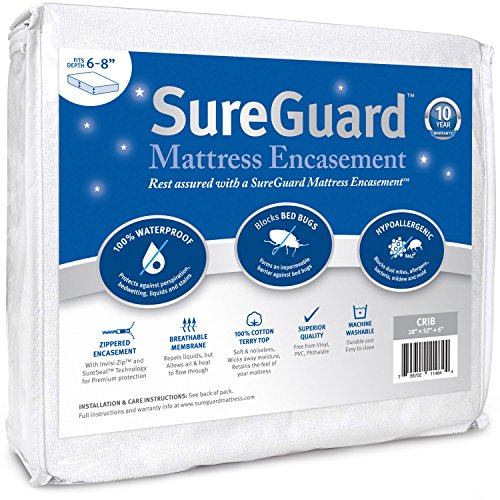
Waterproof Crib Mattress Cover With Zipper: The Complete Guide
Learn how a fully encased, zippered mattress cover protects your baby's mattress from spills, accidents, and allergens — and how to choose the right one for a safe, healthy sleep environment.
Explore Recommended OptionsWhy this guide matters: A crib mattress is one of the most important purchases for your nursery, and keeping it clean and dry is essential for your baby's health. A waterproof crib mattress cover with a zipper offers full six-sided protection that a standard fitted pad simply cannot match. This guide walks you through materials, fit, safety considerations, and the features that separate a good cover from a great one — so you can make a confident, informed decision.
What Is a Waterproof Crib Mattress Cover With Zipper?
A waterproof crib mattress cover with zipper — sometimes called a mattress encasement — wraps entirely around the mattress and seals shut with a zipper. Unlike a fitted mattress pad that only protects the top surface, a zippered cover encloses all six sides, creating a complete barrier against liquids, dust mites, and allergens. The waterproof membrane sits beneath a soft fabric layer, so your baby sleeps on a comfortable surface while the mattress underneath stays pristine.
This style of cover is particularly valuable because crib mattresses are exposed to frequent spit-ups, diaper leaks, and nighttime accidents. A full encasement means you can wipe or launder the cover without ever worrying about liquid seeping into the mattress core — extending the life of your mattress and maintaining a hygienic sleep environment.
Key Features to Evaluate Before You Buy
Full Zipper Encasement
The zipper should run around at least three sides for easy installation and removal. A reinforced zipper guard protects the teeth and prevents the membrane from catching.
Breathable Waterproof Membrane
Look for polyurethane (PU) or TPU membranes rather than solid vinyl. These allow airflow while blocking liquids, reducing heat buildup and keeping your baby comfortable.
Snug, Flat Fit
A proper fit is critical for safety. The cover should hug the mattress tightly with no loose fabric or bunching that could pose a suffocation hazard. Measure your mattress depth before ordering.
Soft Top Layer
The surface your baby touches should be soft and gentle — cotton, bamboo, or a cotton-blend terry. This layer absorbs minor moisture and feels comfortable against delicate skin.
Non-Toxic Certification
Choose covers certified to OEKO-TEX Standard 100 or similar standards, ensuring they are free from harmful chemicals, formaldehyde, and heavy metals.
Machine Washable
Accidents happen — often. A cover that survives frequent machine washing and drying without losing its waterproof barrier is a practical must-have for any nursery.
Materials Matter: What to Look For
The material composition of a zippered crib mattress cover directly affects comfort, durability, and breathability. Here is how the most common options compare:
- Cotton terry with PU backing: The most common and well-balanced option. The cotton surface is soft and absorbent, while the polyurethane backing provides reliable waterproofing. Breathable and machine washable.
- Bamboo viscose blend: Naturally moisture-wicking and exceptionally soft. Often paired with a TPU waterproof layer. A good choice for babies with sensitive skin or those prone to overheating.
- Polyester knit with TPU membrane: Durable and quick-drying. Entry-level options often use this construction. Mid-range and premium covers typically add a softer top layer for comfort.
- Vinyl or PVC: Fully waterproof and wipeable, but less breathable. Generally not recommended for daily sleep use because they trap heat and can be noisy.
For most families, a cotton terry or bamboo blend with a breathable PU/TPU membrane offers the best balance of comfort, protection, and practicality. If your baby tends to run warm, prioritize breathability over maximum waterproofing thickness.
Understanding Fit: Sizing and Depth
Standard crib mattresses in the United States measure 28 by 52 inches, but thickness varies significantly — from about 4 inches for foam mattresses to 6 inches or more for innerspring models. A zippered cover must match both the length, width, and depth of your mattress to achieve a safe, snug fit.
Before ordering, measure your mattress carefully:
- Measure the length and width at the seams.
- Measure the depth (thickness) at the center and corners.
- Check the product listing for the gusset height — the depth the cover is designed to accommodate.
- Ensure the cover is designed specifically for crib mattresses, not adult beds or playard mattresses.
If your mattress is a non-standard size or has a particularly thick profile, look for covers with adjustable or stretchable gussets. A cover that is too loose can create dangerous folds and gaps around your baby — always err on the side of a snug fit.
Zippered Cover vs. Fitted Pad: Which Do You Need?
Both serve a purpose, but they are not interchangeable. A fitted waterproof pad is convenient for quick changes and light protection, while a zippered encasement provides complete, six-sided defense. Many parents use both: a zippered cover as the foundational barrier directly on the mattress, and a fitted sheet or pad on top for easy day-to-day changes.
If your priority is protecting the mattress investment and maintaining a hygienic sleep surface for the long term, a zippered waterproof cover is the more thorough solution. It is especially valuable for families dealing with allergies, as full encasement helps contain dust mites and other allergens.
Safety Considerations Every Parent Should Know
Crib mattress covers must meet specific safety expectations to support safe sleep practices:
- Snug fit is non-negotiable. Loose fabric in a crib is a suffocation risk. The cover must fit tightly with no wrinkles or excess material.
- No toxic finishes. Choose covers that are certified free from harmful chemicals — look for OEKO-TEX, GREENGUARD Gold, or similar third-party certifications.
- Breathability matters. A waterproof layer that does not allow airflow can contribute to overheating. Breathable membranes are strongly preferred.
- Follow the manufacturer's care instructions. A cover that is washed incorrectly may lose its waterproof properties or shrink, compromising the fit.
- Inspect regularly. Check the zipper, seams, and membrane for wear. Replace the cover if the waterproof layer is compromised or the fit becomes loose.
Always place your baby on their back on a firm, flat surface, and keep the crib free of loose bedding, pillows, and soft objects. A properly fitted waterproof cover supports — rather than replaces — these safe sleep fundamentals.
Quality Tiers at a Glance
Zippered crib mattress covers fall into a few broad quality tiers. Use this comparison to match a cover to your needs — the descriptors reflect market positioning rather than any specific figures.
| Tier | Typical Construction | Best For |
|---|---|---|
| Entry-level | Polyester knit with basic PU backing, single zipper, standard fit | Short-term use, backup covers, or a second cover for travel |
| Mid-range | Cotton terry or cotton-blend surface, breathable TPU membrane, reinforced zipper | Everyday use, families who value comfort and breathability |
| Premium | Bamboo or organic cotton top, advanced breathable membrane, precision stitching, certified non-toxic | Babies with sensitive skin, allergy-conscious households, long-term use |
| Top-tier | Multi-layer construction with enhanced airflow channels, deep gusset for thick mattresses, premium zipper hardware | High-end mattresses, families who want the most thorough protection available |
A mid-range cover typically hits the sweet spot for most families, offering a comfortable sleep surface and reliable waterproofing without over-engineering. Entry-level covers work well as spares, while premium and top-tier options make sense when you want maximum durability and skin-friendly materials.
Care and Maintenance Tips
To keep your waterproof crib mattress cover performing at its best:
- Wash before first use. This removes any manufacturing residue and helps the fabric soften.
- Follow the care label. Most covers are machine washable in warm water on a gentle cycle. Avoid fabric softeners, which can degrade the waterproof membrane.
- Tumble dry low or air dry. High heat can damage the waterproof layer. If the care label permits, tumble dry on low; otherwise, hang or lay flat to dry.
- Spot clean between washes. For minor spills, wipe with a damp cloth and mild soap rather than removing the entire cover.
- Inspect the zipper regularly. Lubricate metal zippers with a tiny amount of zipper wax if they become stiff. Check for snags or broken teeth.
Having a spare cover on hand is a practical tip many parents appreciate — when one is in the wash, the other protects the mattress. If you are also outfitting the rest of the sleep space, a waterproof crib mattress cover in a fitted style can serve as a quick-change layer on top of your zippered encasement, and a waterproof crib mattress offers built-in protection if you are still choosing a mattress.
Common Mistakes to Avoid
- Buying the wrong depth. A cover that is too shallow will not fit over a thick mattress; one that is too deep will bunch. Measure first.
- Skipping the safety check. After installation, tug the cover gently at the corners. It should not lift or slide. Run your hand across the surface — it should be smooth and flat.
- Using fabric softener. It coats the waterproof membrane and reduces breathability over time.
- Ignoring certifications. A lower-tier cover without third-party safety certification may use materials you would rather keep away from your baby.
- Forgetting a backup. Accidents happen at inconvenient times. Two covers is the practical minimum for most households.
Frequently Asked Questions
What is the difference between a zippered crib mattress cover and a fitted mattress pad?
A zippered crib mattress cover fully encases the mattress on all six sides, sealing it completely from spills, accidents, and dust mites. A fitted mattress pad only covers the top surface and drapes over the edges, leaving the sides and bottom exposed.
Is a waterproof crib mattress cover with zipper safe for newborns?
Yes, when it fits snugly and is made from breathable, non-toxic materials. Look for covers that meet safety standards, fit without bunching, and avoid loose fabric that could pose a suffocation risk. Always ensure a tight, flat fit on the mattress.
How often should I wash a zippered crib mattress cover?
Wash it immediately after any spit-up, leak, or accident. For routine maintenance, launder it every two to four weeks to keep allergens and bacteria in check. Always follow the manufacturer's care instructions.
Will a zippered cover fit my crib mattress if it has a waterproof core?
Yes, as long as you choose the correct size. Standard crib mattresses measure 28 by 52 inches, but thickness varies. Measure your mattress depth and pick a cover with a matching gusset height for a snug, flat fit.
Can a zippered mattress cover make my baby too warm?
Some waterproof materials trap heat. Choose covers with breathable membranes or cotton-backed layers that allow airflow. Avoid vinyl or thick plastic covers if your baby tends to overheat.
Final Thoughts: Choosing With Confidence
A waterproof crib mattress cover with zipper is a practical, protective investment for any nursery. It shields your mattress from the inevitable messes of babyhood, helps maintain a hygienic sleep surface, and can extend the usable life of your mattress. Focus on a snug fit, breathable materials, non-toxic certifications, and washability — these are the features that matter most. With the right cover in place, you can spend less time worrying about stains and more time enjoying the precious early months with your baby.
Ready to Protect Your Baby's Mattress?
Explore our hand-picked selection of zippered waterproof crib mattress covers and find the right fit for your nursery.
View Recommended Products