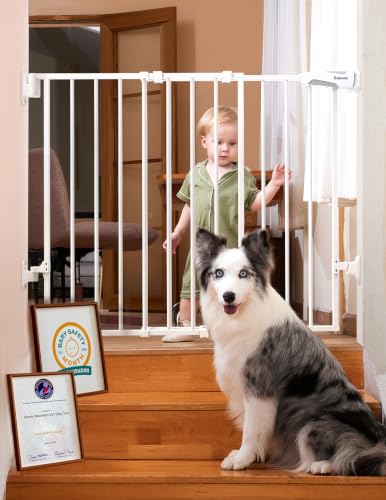
Wall Mounted Pet Gate Guide
Keep your furry friends safe and secure with the perfect wall-mounted pet gate. Compare features, installation tips, and expert reviews.
Shop Top Picks ↓Why a wall-mounted pet gate? Unlike pressure-mounted gates, wall-mounted gates provide a permanent, sturdy barrier that prevents your pet from pushing through or knocking it over. They are ideal for staircases, doorways, and high-traffic areas where safety is paramount. This guide helps you choose the right gate for your home and pet.
What to Look for in a Wall Mounted Pet Gate
🔒 Safety & Security
Look for a locking mechanism that is easy for adults but secure enough to prevent accidental openings by children or pets.
📏 Size & Adjustability
Measure your opening carefully. Many gates are adjustable, but ensure the width and height fit your space and pet's size.
🛠️ Installation Type
Wall-mounted gates require drilling into the wall or banister. Check that you have the right tools and hardware for a secure fit.
🐕 Pet Size & Breed
For large or energetic dogs, choose a gate with a taller height and heavier-duty construction to withstand pressure.
Pros & Cons of Wall-Mounted Gates
✅ Pros
- Extremely sturdy and secure; cannot be pushed over.
- Provides a permanent barrier for high-risk areas (stairs).
- Often features a walk-through door for convenience.
- Available in various materials (metal, wood, plastic).
❌ Cons
- Requires drilling holes in walls or banisters.
- More difficult to remove and reposition than pressure-mounted gates.
- Can be more expensive than other gate types.
- May leave visible marks or holes upon removal.
Wall Mounted Gate Comparison
| Feature | Metal Gates | Wooden Gates | Plastic Gates |
|---|---|---|---|
| Durability | Very high | Medium to high | Low to medium |
| Weight | Heavy | Medium | Light |
| Installation | Moderate | Moderate | Easy |
| Aesthetic | Industrial, modern | Classic, warm | Simple, functional |
| Best For | Large dogs, stairs | Indoor decor, medium pets | Small pets, temporary use |
Step-by-Step Installation Guide
- Measure the opening: Use a tape measure to determine the width of the doorway or stairway. Check the gate's adjustable range.
- Mark the wall: Hold the gate in place and mark where the mounting brackets will go. Use a level to ensure straight alignment.
- Drill pilot holes: Using a drill bit slightly smaller than your wall anchors, drill holes at the marked points. For drywall, use appropriate anchors.
- Attach brackets: Screw the mounting brackets securely into the wall using the provided screws and anchors.
- Mount the gate: Attach the gate panel to the brackets. Test the swing and locking mechanism to ensure smooth operation.
- Test stability: Apply gentle pressure to the gate to confirm it is securely mounted and does not wobble.
Expert Tips & Safety Reminders
- Check weight limits: Always verify the gate's weight and height recommendations for your pet's size and breed.
- Inspect regularly: Periodically check that all screws and brackets are tight, especially if you have a large dog.
- Avoid pressure mounting on stairs: Wall-mounted gates are the safest option at the top of stairs to prevent falls.
- Consider a walk-through gate: For convenience, choose a gate with a swinging door that you can easily open with one hand.
Related Guides: If you're also considering other pet safety solutions, check out our guide on stairway pet gates with banister mounts or explore wide doorway pet gates for larger openings. For outdoor use, our metal pet gate for doorway recommendations might be useful.