Essential Tummy Time Guide for Baby Development
Learn why tummy time matters, expert tips for success, and how to support your baby's motor skill milestones safely.
Why Tummy Time Matters: Tummy time is a cornerstone of early infant development. It strengthens neck, shoulder, and arm muscles, prevents flat head syndrome, and supports sensory and motor skill development. Starting early and practicing consistently sets the foundation for rolling, sitting, and crawling.
Tummy Time at a Glance
What Is Tummy Time?
Tummy time is the practice of placing your baby on their stomach while awake and supervised. It is essential for strengthening the muscles needed for rolling, sitting up, and crawling. Starting from the first few weeks, even short daily sessions can make a significant difference in your baby's physical and cognitive development.
Key Benefits of Tummy Time
- Strengthens muscles: Builds neck, shoulder, and core strength.
- Prevents flat spots: Reduces risk of positional plagiocephaly.
- Improves motor skills: Encourages rolling, reaching, and crawling.
- Enhances sensory development: Provides new perspectives and textures.
- Supports visual tracking: Helps babies practice focusing and following objects.
Expert Tummy Time Tips
Start Early & Short
Begin with 2-3 minutes, 2-3 times per day. Gradually increase as your baby gets stronger. Consistency is more important than duration.
Use a Firm Surface
Always place your baby on a firm, flat surface like a play mat or blanket on the floor. Avoid soft beds or sofas where they might sink in.
Engage with Toys
Place interesting toys, mirrors, or black-and-white images in front of your baby. This encourages them to lift their head and look around.
Get Down on Their Level
Lie on the floor facing your baby. Make eye contact, sing, or talk to them. Your face is the best motivator!
Tummy Time Milestones & What to Expect
| Age | Typical Skills | What to Watch For |
|---|---|---|
| 0–2 months | Lifts head briefly, turns side to side | Head flopping, discomfort – start with short sessions |
| 2–4 months | Holds head up 45–90°, pushes up on forearms | Increased endurance, beginning to reach for toys |
| 4–6 months | Pushes up with straight arms, begins to rock | Rolling over, pivoting, reaching with one hand |
| 6+ months | May start to push up to hands and knees | Prepares for crawling, more coordinated movements |
Addressing Common Tummy Time Concerns
My baby hates tummy time
Start with chest-to-chest tummy time on your body. Gradually transition to a mat. Use toys, mirrors, and your voice to keep them engaged.
Baby isn't lifting head
Every baby develops at their own pace. Continue short sessions and consult your pediatrician if you have concerns. See infant milestones →
When to stop tummy time?
You don't stop! Once your baby is rolling and crawling, tummy time becomes part of their natural play. Continue to encourage floor play.
Tummy time and sleep
Always place your baby on their back for sleep. Tummy time is only for awake, supervised play. Explore safe sleep products →
Tummy Time Tools & Accessories
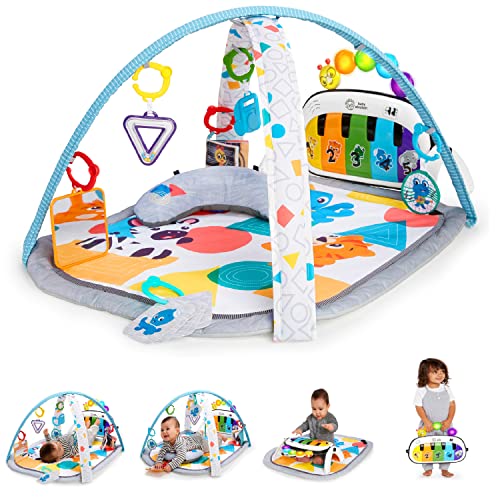
While tummy time requires no special equipment, certain products can make the experience more enjoyable and effective. Look for play mats with high-contrast patterns, tummy time pillows, and engaging toys. The right tools can help motivate your baby and support their development.
For more ideas, check out our guide on tummy time tools and accessories.
How Tummy Time Supports Overall Development
Tummy time is not just about physical strength; it also promotes visual and social development. As your baby learns to lift their head and interact with their environment, they are building neural pathways that support cognitive growth. This early practice also helps with hand-eye coordination and spatial awareness.
For more on developmental milestones, read our week-by-week milestone guide.
Making Tummy Time a Positive Experience
- Be patient: Some days are better than others. Keep sessions positive and short.
- Incorporate into routine: After diaper changes or naps are great times.
- Use your voice: Sing, talk, or read to keep them engaged.
- Rotate toys: Keep it fresh with different textures and colors.
Learn more about effective tummy time strategies and newborn sleep patterns to create a balanced routine.
Start Your Baby's Tummy Time Journey Today
Explore our recommended tummy time products and find the perfect tools to support your baby's development.
Shop Tummy Time Essentials