Things to Pack in a Diaper Bag for the Hospital
A complete, practical checklist for new parents who want to arrive at the hospital prepared, organized, and ready to focus on meeting their baby.
Why a Dedicated Hospital Diaper Bag Matters
Many parents pack a single large hospital bag and assume everything will be easy to find. In practice, a dedicated diaper bag for baby keeps newborn items separate from your personal belongings. When your partner or support person needs to change a diaper at 2 a.m., they will not have to rummage through your clothes and toiletries.
A well-organized diaper bag also makes the transition home smoother. Once you leave the hospital, the same bag becomes your everyday diaper bag, already stocked with the items you tested and trusted during those first days. If you are still choosing a bag, our guide to the ultimate diaper backpack covers capacity, organization, and comfort features worth considering.
Newborn Essentials to Pack
Hospitals supply basic diapers, wipes, and often a take-home kit, but having your own preferred items makes the experience more comfortable and familiar. Focus on the essentials that support feeding, changing, and warmth.
Diapering and Changing
- 10 to 15 newborn-size diapers
- One full pack of fragrance-free baby wipes
- Portable changing pad or cloth
- Diaper cream for the first meconium changes
- Two to three burp cloths
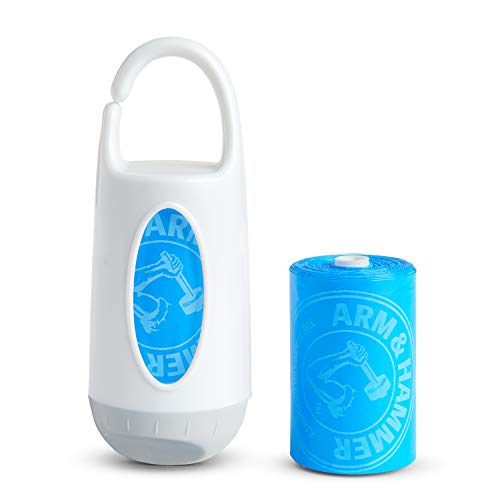
- Small wet bag for soiled items
Clothing and Warmth
- Two to three footed sleepers or gowns
- One going-home outfit suited to the season
- Newborn hat and scratch mittens
- Two receiving blankets
- Warm outer layer for the ride home
Feeding Supplies
- Two to three bottles of ready-to-feed formula as backup
- Nursing pads and nipple cream if breastfeeding
- Nursing cover or light blanket
- Burp cloths kept separate from changing supplies
- Small cooler bag if transporting pumped milk
Mom Recovery Items That Belong in the Bag
While the diaper bag is primarily for baby, a few recovery items for you are worth tucking into an outer pocket. Hospitals provide many postpartum supplies, but having your own preferred brands adds comfort.
- Perineal spray bottle
- Comfortable high-waist postpartum underwear
- Nursing bra and loose nursing top
- Lip balm and hair ties
- Phone charger with an extra-long cable
- Snacks and a refillable water bottle
For a deeper look at what moms actually need after delivery, see our guide on things needed for mom after giving birth. It pairs well with this checklist and helps you avoid duplicating items between bags.
Organizing Your Bag by Priority Tier
Not every item carries the same urgency. Grouping your hospital diaper bag by priority tier helps you pack efficiently and find things fast during labor and recovery.
| Tier | What to Include | Best For |
|---|---|---|
| Essential tier | Diapers, wipes, changing pad, one sleeper, hat, going-home outfit | The first hours after delivery and the ride home |
| Balanced tier | Extra sleepers, burp cloths, backup formula, nursing pads, recovery spray | Overnight hospital stays and unpredictable feeding schedules |
| Top-tier preparedness | Wet bag, cooler pouch, extra blankets, spare charger, snack stash | Extended stays, NICU situations, or first-time parents who want full coverage |
A balanced tier suits most families. The essential tier covers the bare minimum if you are packing last minute, while the top-tier setup is worthwhile if you live far from the hospital or expect a longer stay.
What Hospitals Usually Provide
Knowing what the hospital supplies prevents overpacking. Most maternity wards provide diapers, wipes, a bulb syringe, a nasal aspirator, blankets, and a basic take-home kit. Some also supply a pacifier, a hat, and a shirt for baby.
Call your hospital's labor and delivery unit a few weeks before your due date to confirm exactly what is included. This single phone call can save you from packing items you will never use and free up space for the things that genuinely make your stay easier.
When and How to Pack
Have your diaper bag packed and waiting by the door by week thirty-five of pregnancy. This timing accounts for early arrivals and gives you space to refine the contents without pressure.
Pack in layers. Place the most urgent items, such as diapers, wipes, and a sleeper, in the main compartment. Store backup clothing and recovery items in side pockets or a separate pouch. Label any pouch that contains feeding supplies so anyone helping you can locate them instantly.
If you are also preparing for outings after the hospital, our stylish diaper bags guide covers options that balance organization with everyday usability.
Common Packing Mistakes to Avoid
Overpacking is the most frequent mistake. New parents often bring multiple outfits per day and a full pharmacy of items. In reality, babies spend most of their hospital time swaddled, and nurses will help you with anything urgent.
Another common error is forgetting to pack for the partner or support person. A small pouch with snacks, a charger, and a change of clothes for your partner keeps everyone functioning during a long labor. Finally, do not forget to pack your own going-home outfit, since you will likely leave the hospital in clothing you wore during pregnancy.
Final Hospital Diaper Bag Checklist Summary
Before you zip the bag, run through this quick summary to confirm nothing essential is missing:
- Diapers and wipes for at least one full day
- Changing pad and diaper cream
- Two to three sleepers plus a going-home outfit
- Hat, mittens, and receiving blankets
- Feeding supplies including backup formula
- Nursing pads and nipple cream if breastfeeding
- Burp cloths and wet bag
- Mom recovery items in an outer pocket
- Charger, snacks, and water bottle
- Season-appropriate outer layer for the ride home
With this checklist, your hospital diaper bag will be ready to support you through labor, delivery, and the first days of parenthood. If you are still building your broader registry, our complete baby registry checklist helps you plan the bigger picture without duplicating items you already packed.
Frequently Asked Questions
How many diapers should I pack in my hospital diaper bag?
Plan for roughly one diaper per two hours of your expected hospital stay, plus a few extra. Most hospitals supply diapers during your stay, so a small stash of ten to fifteen newborn diapers in your bag is generally sufficient for the trip home and any gaps in hospital supplies.
Should the diaper bag be packed separately from the mom hospital bag?
Yes. Keeping a dedicated diaper bag for baby items lets your partner or support person grab it quickly for diaper changes without digging through your personal belongings. It also makes the transition from hospital to home smoother since the bag is already organized for outings.
What clothing does a newborn need in the hospital diaper bag?
Pack two to three footed sleepers or gowns, a going-home outfit appropriate for the season, a hat, mittens to prevent scratching, and a couple of receiving blankets. Hospitals often provide basic gowns, but having your own soft, familiar clothing makes the ride home more comfortable.
Do I need to pack feeding supplies if I plan to breastfeed?
Even if you plan to breastfeed, pack a few bottles of ready-to-feed formula as a backup, along with nursing pads, nipple cream, and a nursing cover. Hospitals typically have lactation consultants and supplies, but having your own preferred items adds comfort and reduces stress.
When should I pack the hospital diaper bag?
Aim to have the diaper bag packed and waiting by the door by week thirty-five of pregnancy. This gives you a buffer in case baby arrives early and ensures you are not scrambling for essentials during early labor or a sudden hospital trip.
Ready to Build Your Hospital Diaper Bag?
Explore our recommended baby products below to find practical, well-reviewed items that fit your tier and your hospital plan.
View Recommended Products