Special Needs Strollers: Expert Buying Guide
Find the perfect adaptive stroller for your child. We compare features, weight limits, and maneuverability to help you choose the best mobility solution.
View Top Picks ↓Why trust this guide? We've analyzed dozens of special needs strollers, consulted with pediatric therapists, and reviewed real parent feedback. Whether you need a stroller for a child with low muscle tone, a larger frame, or medical equipment, we help you find the right fit.
What Makes a Special Needs Stroller Different?
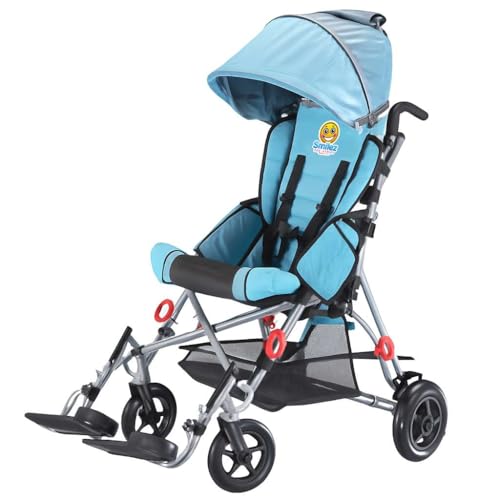
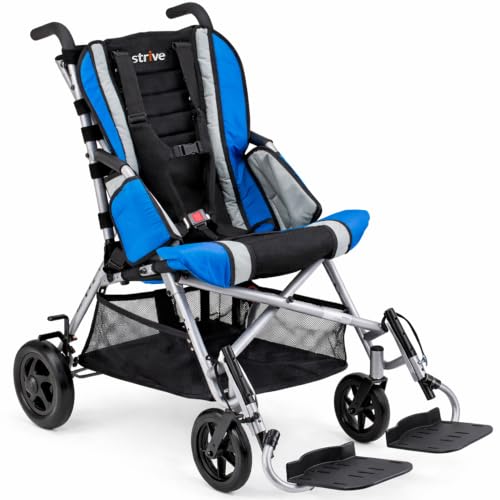
Unlike standard strollers, special needs strollers are engineered for children who require extra postural support, have limited trunk control, or need to accommodate medical devices. Key differences include:
Higher Weight Capacity
Many models support up to 100–150 lbs, allowing use well beyond toddler years.
Adjustable Positioning
Recline, tilt, and leg rest adjustments for comfort and medical needs.
Superior Harness Systems
5-point or 6-point harness with chest pads and lateral supports.
Durable All-Terrain Wheels
Larger wheels with suspension for a smooth ride indoors and out.
Key Features to Consider
Before buying, evaluate these critical aspects:
- Seat Width & Depth: Ensure proper hip and thigh support. Standard widths range from 14" to 20".
- Recline & Tilt: Multi-position recline (up to full flat) and tilt-in-space for pressure relief.
- Harness Type: Look for adjustable, padded harnesses with easy-release buckles.
- Foldability: Some models fold compactly for car travel; others are more rigid for stability.
- Accessories Compatibility: Tray, IV pole holder, oxygen tank holder, or canopy extensions.
For families who also travel frequently, consider a lightweight stroller for travel as a secondary option, but ensure it meets your child's support needs.
Top Special Needs Stroller Models
| Model | Weight Capacity | Seat Width | Recline | Fold |
|---|---|---|---|---|
| Convaid Rodeo | 75 lbs | 14"–18" | Full flat | Compact fold |
| Kimba Cross | 110 lbs | 16"–20" | Multi-tilt | Removable seat |
| Maclaren Major | 55 lbs | 14" | Partial recline | Umbrella fold |
| Zippy Special Needs | 65 lbs | 15" | Full recline | One-hand fold |
If you need a stroller that accommodates an infant car seat, check out our guide on strollers with bassinets and car seat adapters.
Budget & Insurance Coverage
Special needs strollers typically cost $800–$3,000 depending on features and customizations. Many insurance plans (Medicaid, private) may cover part or all of the cost if prescribed by a physician. Always check with your provider and ask for a letter of medical necessity. For families on a tighter budget, consider refurbished models or rental programs.
If you're also looking for other adaptive gear, explore our space-saving baby gear for compact solutions.
Safety & Maintenance Tips
- Regular Inspections: Check brakes, wheels, and harness for wear.
- Cleaning: Use mild soap and water; avoid harsh chemicals.
- Storage: Keep in a dry place to prevent rust and fabric degradation.
- Weight Limits: Never exceed the manufacturer's weight capacity.
For nighttime safety, consider a safe sleep product that can be used with the stroller for resting.
✅ Final Checklist Before Buying
- Measured your child's height, weight, and hip width
- Tested the stroller's maneuverability (if possible)
- Confirmed compatibility with your car trunk
- Checked insurance coverage or funding options
- Reviewed warranty and customer support
- Compared at least 3 models
Once you've made your choice, you can purchase with confidence. For additional parenting support, see our guide on newborn sleep or toddler gear.