Snow Suits for Baby & Kids – Expert Guide
Everything you need to know to choose the perfect snow suit that keeps your little one warm, safe, and comfortable all winter long.
A good snow suit is one of the most important pieces of winter gear for your baby or toddler. Whether you're heading out for a walk in the stroller, building a snowman, or just running errands on a cold day, the right snowsuit keeps your child warm, dry, and comfortable. But with so many options available, choosing the perfect one can feel overwhelming.
This guide breaks down everything you need to know about baby and kids snow suits – from materials and insulation to safety features and sizing. By the time you finish reading, you'll be fully prepared to pick the best snow suit for your family's winter adventures.
Why a Quality Snow Suit Matters
Babies and young children lose body heat more quickly than adults, and their tiny fingers, toes, and ears are especially vulnerable to cold. A well-designed snow suit acts as a protective barrier against wind, snow, and freezing temperatures. Beyond warmth, a good snowsuit also provides:
- Waterproof protection – Keeps your child dry when playing in snow or slush.
- Windproofing – Prevents wind chill from cutting through the fabric.
- Comfort and mobility – Allows natural movement for crawling, walking, and playing.
- Safety – Bright colors and reflective elements increase visibility during overcast winter days.
Investing in a high-quality snowsuit means your child can enjoy winter activities safely and comfortably, while you have peace of mind knowing they're well-protected. For additional winter gear ideas, check out our guide on kids' jackets and other cold-weather essentials.
Key Features to Consider
When shopping for a snow suit, pay attention to the following features to ensure you're getting the best value and performance for your child.
🧥 Insulation Material
Down provides excellent warmth-to-weight ratio; synthetic insulation (like PrimaLoft or Thinsulate) retains warmth even when wet.
💧 Waterproof Rating
Look for a rating of at least 5,000mm for moderate snow and 10,000mm+ for heavy winter conditions.
🌬️ Breathability
Breathable fabrics prevent overheating and reduce moisture buildup from sweat.
🔒 Zippers & Closures
Two-way zippers make diaper changes easier; storm flaps and Velcro closures add extra weather protection.
🦶 Boot & Glove Attachments
Elastic cuffs or gaiters keep snow out of boots; removable mittens prevent loss.
🛡️ Safety Features
Reflective strips, bright colors, and a detachable hood with fleece lining enhance safety and comfort.
Sizing & Fit Guide
Getting the right size is crucial for both comfort and safety. A snowsuit that's too small restricts movement and won't allow proper layering, while one that's too large can be bulky and reduce mobility.
Pro Tip: When trying on a snowsuit, make sure your child can move their arms and legs freely. The suit should allow enough room for a thermal base layer and a mid-layer, but not be so loose that it bunches up or drags on the ground.
Always check the manufacturer's size chart before buying, as sizing can vary between brands. For even more tips on choosing the right winter gear, explore our guide on kids' clothes and seasonal dressing strategies.
Types of Snow Suits
Different types of snow suits are designed for various ages, activities, and weather conditions. Here's a quick overview to help you decide:
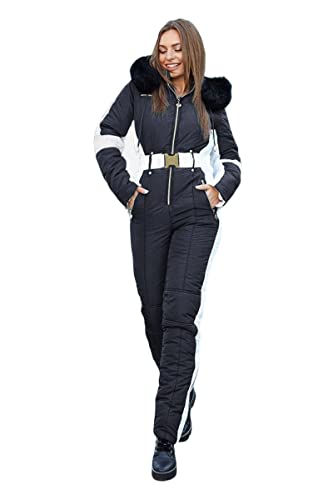
- One-Piece Snowsuits – Ideal for infants and toddlers. They provide full coverage, eliminate gaps, and are easier to put on. Often feature fold-over mittens and booties for extra warmth.
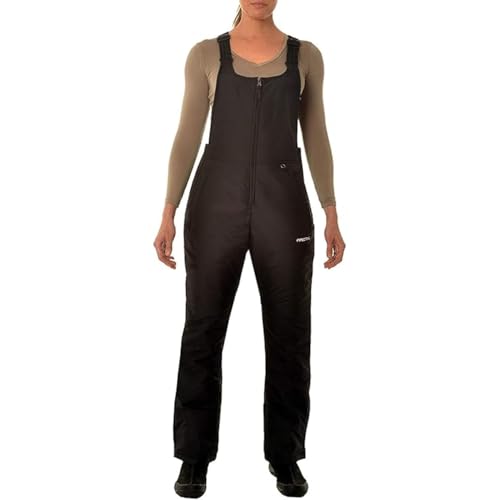
- Two-Piece Snowsuits – Great for older toddlers and kids who are potty training or more active. The separate jacket and bib pants allow for easier bathroom breaks and mixing with other outerwear.
- Puffy Snowsuits – Lightweight and highly insulating, often filled with down or high-quality synthetic materials. Perfect for extremely cold climates.
- Shell Snowsuits – Waterproof and windproof outer layer with minimal insulation. Designed to be worn with separate insulating layers for maximum versatility.
- Convertible Snowsuits – Can be adapted from a one-piece to a two-piece or feature extendable sleeves and legs to grow with your child.
If you're also shopping for other winter baby essentials, don't miss our guides on baby blankets and baby booties for keeping your little one cozy from head to toe.
Materials & Care Tips
Understanding the materials used in snow suits will help you choose the best option for your child's needs and make caring for the suit much easier.
- Outer Shell: Nylon and polyester are most common. They are durable, water-resistant, and quick-drying. Look for a durable water repellent (DWR) coating.
- Insulation: Down is warm and lightweight but loses insulating properties when wet. Synthetic insulation (like PrimaLoft, ThermaFill, or Thinsulate) is a great alternative that performs well even in damp conditions.
- Lining: Soft, moisture-wicking materials like brushed polyester or fleece keep your child dry and comfortable against their skin.
Care Instructions: Most snow suits can be machine-washed on a gentle cycle with mild detergent. Always follow the care label. Tumble dry on low heat or air-dry. Avoid using fabric softeners, as they can damage the water-repellent finish.
For additional gear that makes winter outings easier, check out our stroller accessories guide and learn how to keep your stroller winter-ready.
Budget & Price Expectations
Snow suit prices vary widely based on brand, materials, and features. Here's what you can typically expect when shopping for a quality snow suit for your baby or child:
Typical price range for quality snow suits from trusted brands. Premium options with advanced materials or popular brands may cost more.
Keep in mind that children grow quickly, so many families choose to buy snow suits slightly larger to get more than one season of use. Alternatively, consider shopping at the end of the season for significant discounts. You can also explore our buying guides for baby items and baby stuff to find more budget-friendly winter essentials.
Safety Considerations
Safety should always be a priority when choosing winter gear for your child. Here are key safety factors to keep in mind:
- Visibility: Choose bright colors or suits with reflective accents to ensure your child is visible in low-light or snowy conditions.
- Hood Design: A hood with a soft fleece lining and no drawstrings is safest. Drawstrings can pose a strangulation hazard.
- Proper Fit: A suit that is too large can restrict movement or cause tripping. Make sure it fits well without being too tight.
- Fire Safety: Look for flame-resistant fabrics, especially for infant snow suits.
For more safety tips related to baby products, visit our comprehensive guide on baby sleep safety and baby monitors for peace of mind.
Final Tips for Choosing the Perfect Snow Suit
- Layer Up: A base layer (thermal or wool), a mid-layer (fleece or sweater), and then the snowsuit for maximum warmth.
- Check the Weather: If you live in a wet climate, prioritize waterproofing. If you live in a dry, very cold climate, prioritize insulation.
- Involve Your Child: For older toddlers and kids, let them try on the snowsuit to ensure they are comfortable and can move freely.
- Read Reviews: See what other parents say about durability, fit, and warmth before you buy.
Ready to find the perfect snow suit? Browse our recommended products below to discover top-rated options that will keep your little one warm and happy all winter. For more inspiration, explore our baby gear collection and other buying guides.