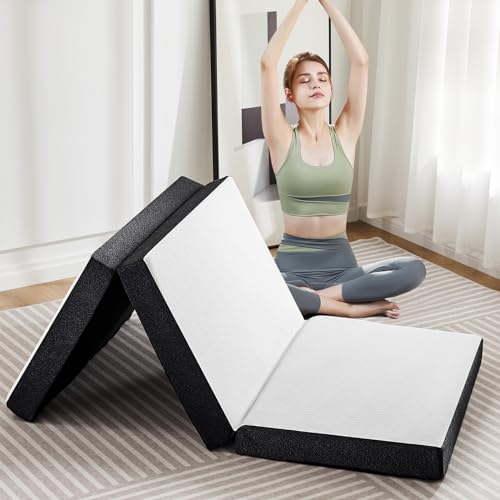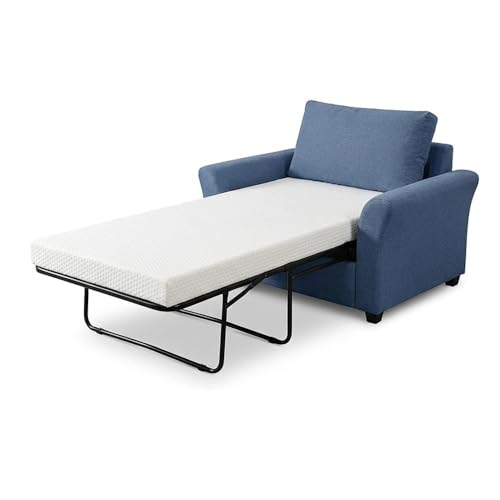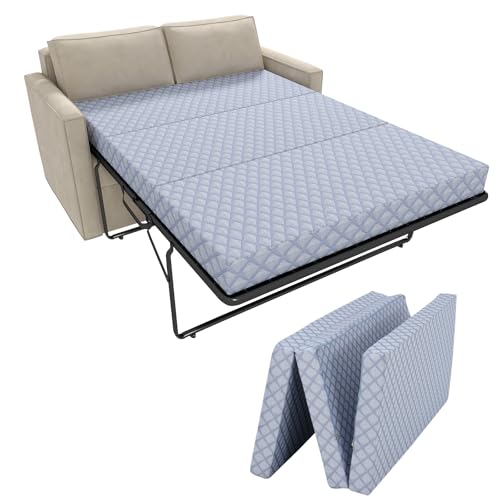
Replacement Mattress for Folding Bed
Find the perfect fit for comfort, safety & durability. Whether for a portable crib, guest bed, or nursery fold-out, our guide helps you choose the ideal mattress.
Why a dedicated replacement mattress matters: Folding beds are versatile, but their original mattresses often wear out quickly or lack proper support. A high-quality replacement ensures your baby (or guest) gets restful, safe sleep. This guide covers size, thickness, material, firmness, and safety – so you can buy with confidence.
How to Choose the Right Replacement Mattress
Selecting a replacement mattress for a folding bed isn't just about finding something that fits. You need to consider support, breathability, hypoallergenic materials, and durability – especially if it's for a baby or toddler. Here's what every parent should know.
1. Measure Accurately (Size & Thickness)
Folding beds come in various sizes: standard crib (52" x 28"), play yard (38" x 26"), or mini crib (38" x 24"). Measure the length, width, and thickness of your existing mattress or the bed frame. A gap larger than 1.5 inches between the mattress and the frame is a safety hazard. Most replacement mattresses for folding beds range from 3 to 6 inches thick. Thicker doesn't always mean better – ensure it folds properly with your bed.
2. Material Matters: Foam, Innerspring, or Hybrid?
- High-density foam: Lightweight, affordable, and molds well to folding mechanisms. Look for CertiPUR-US certified foam (free from harmful chemicals). Ideal for travel and occasional use.
- Innerspring: Offers better airflow and durability. Choose a gauge between 15.5 and 13 for firm support. Heavier, but great for daily use.
- Hybrid (foam + springs): Combines comfort and support. Provides a balanced feel and good breathability.
For babies, firm mattresses are essential to reduce SIDS risk. Avoid memory foam for infants as it can conform too much. For older children or adults, a medium-firm hybrid is a versatile choice.
3. Firmness & Safety Standards
A replacement mattress for a folding bed should be firm enough to support proper spinal alignment without sagging. For babies under 12 months, the mattress must meet CPSC (Consumer Product Safety Commission) and ASTM (American Society for Testing and Materials) standards. Look for labels that state "firm" or "extra firm" and check for JPMA (Juvenile Products Manufacturers Association) certification.
4. Breathability & Hypoallergenic Features
Babies and sensitive sleepers benefit from breathable covers (cotton or bamboo) and ventilated foam to reduce heat buildup. Hypoallergenic materials help prevent dust mite allergies and eczema flare-ups. Waterproof, removable covers are a bonus – they make cleaning effortless.
5. Portability & Weight
If you plan to move the bed frequently (travel, camping, or multi-room use), lightweight foam options are best. Some replacement mattresses come with a carrying bag or foldable design – perfect for on-the-go parents.
6. Price & Warranty
Prices vary widely: basic foam models start around $50–$90, while premium innerspring or hybrid options can cost $130–$250. A good warranty (at least 3–5 years) is a sign of quality. We recommend investing in a mattress that offers both comfort and longevity, as it directly affects your child's sleep quality.
Mattress Type Comparison at a Glance
| Type | Best For | Firmness | Price Range | Key Feature |
|---|---|---|---|---|
| High-Density Foam | Travel, occasional use | Firm | $50 – $90 | Lightweight, CertiPUR-US |
| Innerspring | Daily use, durability | Extra Firm | $120 – $200 | Excellent airflow, long-lasting |
| Hybrid (Foam + Springs) | Balanced comfort & support | Medium-Firm | $150 – $250 | Best for older children/adults |
| Organic Cotton / Natural | Eco-conscious, sensitive skin | Firm | $180 – $280 | Hypoallergenic, GOTS certified |
* Prices are estimated market averages as of 2026. Actual prices may vary by brand and retailer.
Pro Tips for a Smart Purchase
🛏️ Check the Fold Mechanism
Ensure the new mattress can bend or fold without damaging the foam or springs. Some mattresses are designed specifically for tri-fold or bi-fold beds.
🧼 Washable Cover
Accidents happen. A removable, machine-washable cover saves time and keeps the mattress fresh. Look for waterproof lining underneath.
📏 Don't Guess – Measure Twice
Always measure the internal frame of the folding bed. If you're between sizes, choose the smaller mattress to avoid dangerous gaps.
🔍 Read Reviews
Look for feedback from other parents who use the same folding bed model. They often share real-world fit and durability insights.
Still unsure? Explore our space-saving baby gear guide for more compact nursery solutions.
FAQs About Replacement Mattresses for Folding Beds
-
Q: Can I use a regular crib mattress for a folding bed?
A: Not usually. Standard crib mattresses are thicker (5–6 inches) and may not fold properly. Always choose a mattress specifically designed for folding beds or measure the folded clearance. -
Q: How often should I replace a folding bed mattress?
A: For daily use, replace every 5–7 years. For occasional use, inspect for sagging or odor every 3 years. If it's for a baby, replace when you see permanent indentations. -
Q: Is a memory foam mattress safe for a toddler?
A: For toddlers (over 2 years), memory foam can be safe if it's firm enough. However, we recommend high-density foam or innerspring for the best support. Always check for safety certifications. -
Q: What's the best thickness for a folding bed mattress?
A: Most folding beds accommodate 4–5 inch thickness. Check your bed's specs – going too thick may prevent the bed from closing properly.
Ready to Choose?
Browse our curated selection of top-rated replacement mattresses for folding beds. All products are vetted for safety, comfort, and value.
View Recommended Products ↓