Personalized Infant Clothes: A Complete Buying Guide for New Parents
Turn a simple onesie into a keepsake. Learn how to choose custom baby outfits that are soft on newborn skin, safe by design, and durable enough to survive countless washes.
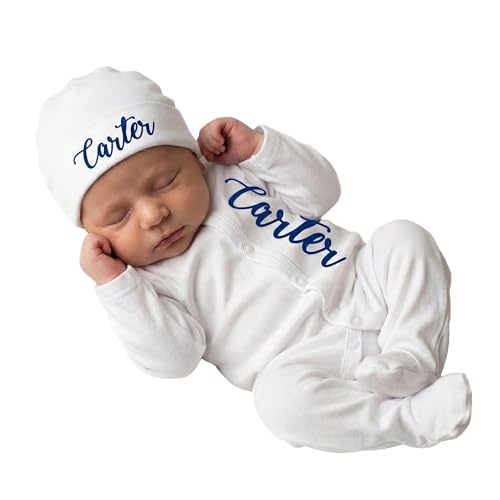
Explore the GuideWhy personalized infant clothes matter: Custom baby clothing is more than a cute photo prop. A name-embroidered onesie helps caregivers and hospital staff identify your newborn instantly, becomes a treasured first-year keepsake, and makes a thoughtful gift that new parents actually use. But the wrong fabric or printing method can irritate delicate skin or fade after a few washes. This guide walks you through every decision so you can order with confidence.
What Makes Personalized Infant Clothes Different
Custom infant clothing combines three variables that ordinary baby clothes do not: the base garment, the personalization technique, and the placement of the design. Each one affects comfort, safety, and longevity.
Standard baby clothes are designed for easy dressing and frequent washing. Personalized versions add a name, initials, birth date, or small graphic — and that addition introduces new considerations. A heat-transfer vinyl name placed across the chest can stiffen the fabric and reduce breathability. Embroidery on a collar can scratch a newborn's neck. Understanding these trade-offs is the first step toward a purchase you will not regret.
Parents searching for custom pieces usually fall into one of three groups: those preparing a coming-home outfit, those shopping for a baby shower or newborn gift, and those building a small capsule of photo-ready pieces. Each use case favors a different combination of fabric, technique, and tier. If you are also assembling a broader newborn wardrobe, our guide to choosing the right onesie explains how base layers fit into a full rotation.
Base Garment Types
- Bodysuits (onesies): The most common canvas for personalization. Snap closures at the crotch simplify diaper changes, and the envelope neckline stretches over the head without tugging.
- Sleep gowns and footies: Popular for nightwear and coming-home photos. Personalization usually appears on the chest or along the hem.
- Kimono-style tops: Side-snap designs that avoid pulling fabric over a newborn's face — a strong choice for NICU graduates or babies with sensitive skin.
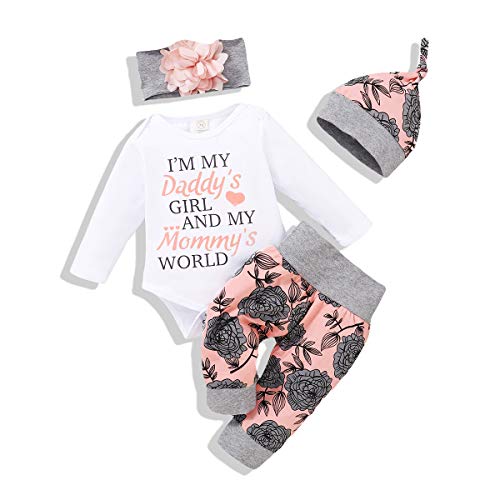
- Two-piece sets: Tops and leggings that allow mixing personalized and plain pieces, extending the useful life of the custom item.
- Swaddles and blankets: Often bundled with a matching personalized outfit for a coordinated gift set. See our roundup of personalized baby blankets for complementary options.
Fabric Guide: What Touches Your Baby's Skin
Newborn skin is roughly 30% thinner than adult skin, so fabric choice is not a minor detail. The right material regulates temperature, wicks moisture, and reduces the risk of irritation.
| Fabric | Best For | Breathability | Durability After Washing | Notes |
|---|---|---|---|---|
| 100% Organic Cotton | Everyday wear, sensitive skin, coming-home outfits | Excellent | Good — softens over time | GOTS or OEKO-TEX certification confirms low chemical residue. The safest default choice. |
| Cotton-Elastane Blend | Stretch-heavy pieces, active babies | Good | Very good — retains shape | The small percentage of elastane improves recovery and reduces sagging at the knees and cuffs. |
| Bamboo Viscose | Warm climates, eczema-prone skin | Excellent | Moderate — requires gentle care | Silky feel and natural temperature regulation, but can pill if washed aggressively. |
| Organic Cotton Interlock | Premium personalized pieces, gifting | Excellent | Excellent | Thicker knit with a smooth face — ideal for crisp embroidery. |
| Polyester Blend | Occasional costume pieces | Low | Very good | Not recommended for daily wear against newborn skin; traps heat and moisture. |
If your baby has known sensitivities, prioritize certified organic cotton and look for garments with printed care labels rather than sewn-in tags. Our guide to organic baby clothes goes deeper into certifications and what they actually guarantee.
Personalization Methods Compared
The technique used to apply a name or design determines how the garment feels, how long it lasts, and how it should be washed. There is no single best method — only the best method for your intended use.
Heat Transfer Vinyl
The most common method for simple names and short text. A thin vinyl film is pressed onto the fabric with heat.
- Best for: Name-only designs, party favors, short-term use
- Feel: Slightly stiff where applied
- Longevity: Moderate — can peel at edges over many washes
- Design limits: One to three colors, no fine gradients
Direct-to-Garment Printing
Water-based ink is printed directly onto the fabric surface, allowing full-color photos and complex illustrations.
- Best for: Milestone photos, illustrated themes, gift sets
- Feel: Soft, with a light ink layer
- Longevity: Good — fades gradually with repeated hot washes
- Design limits: Unlimited colors on light fabrics
Embroidery
Thread stitching creates a raised, textured design that outlasts the garment itself and feels substantial in hand.
- Best for: Heirloom pieces, monograms, coming-home outfits
- Feel: Raised texture — must be backed to avoid skin contact
- Longevity: Excellent — will not peel or crack
- Design limits: Simplest lettering and small motifs work best
Sizing: Buy for the Stage, Not the Number
Infant sizing labels are notoriously inconsistent between brands, and newborns grow out of the smallest sizes within weeks. Buying personalized pieces in the correct size range protects your investment.
- Preemie and newborn: Fits babies up to roughly 7–8 lbs. Most newborns wear this size for only two to four weeks — perfect for a single coming-home outfit.
- 0–3 months: The most useful range for personalized everyday pieces. Expect four to eight weeks of wear for an average-sized baby.
- 3–6 months: A practical choice for gifts, since the baby will reach this stage after the initial newborn blur.
- 6–12 months: Good for personalized pieces intended to be worn during milestone photo sessions and first holidays.
When in doubt, size up. A slightly loose personalized bodysuit can be layered now and worn alone later, while a too-small piece may never fit at all. If you are shopping for a gift and do not know the baby's current size, choose 3–6 months or 6–12 months rather than newborn. For more gift-ready ideas, see our collection of personalized newborn outfits.
A Practical Checklist Before You Order
Use this list to evaluate any personalized infant clothing listing before you commit.
- Fabric certification: Look for GOTS, OEKO-TEX Standard 100, or an equivalent safety certification.
- Tag placement: Printed labels beat sewn-in tags for newborns. If tags are sewn, check that they are soft and flat.
- Seam construction: Flatlock or overlock seams reduce friction against the skin.
- Closure type: Snaps are easier than buttons for middle-of-the-night changes; side snaps suit newborns better than pull-over necks.
- Personalization placement: Confirm where the name or design will sit and whether it touches skin.
- Wash instructions: Match the care requirements to your routine. If you cannot commit to cold-water gentle cycles, choose embroidery over vinyl.
- Return policy: Personalized items are often final sale — verify spelling and size before checkout.
- Production time: Custom orders may take longer than stock items. Order at least four weeks before your due date or event.
Common Mistakes to Avoid
These are the most frequent regrets parents report after buying custom baby clothes.
- Ordering only newborn sizes: Babies outgrow them fast. Include at least one 0–3 month and one 3–6 month piece.
- Choosing style over skin safety: Scratchy lace, sequins, and stiff appliqués have no place against newborn skin.
- Ignoring the wash routine: Vinyl designs applied to cotton can crack if washed in hot water. Match the method to your habits.
- Skipping a spelling check: Personalized orders are usually non-returnable. Read the name aloud and confirm the size before paying.
- Over-ordering: Three to five personalized pieces cover the newborn stage comfortably. Beyond that, plain basics are more practical.
If you are building a coordinated gift, pair a personalized outfit with a matching personalized name blanket or a personalized newborn swaddle blanket. For a full gift set, browse our ideas for personalized newborn outfits and personalized gifts for first-time moms.
Frequently Asked Questions
What fabrics are best for personalized infant clothes?
100% organic cotton is the top choice for newborn skin because it is breathable, soft, and free from harsh dyes. Cotton-blend jersey and bamboo viscose are also popular for stretch and durability. Avoid synthetic polyester for everyday wear, especially for babies with sensitive skin.
Which printing method lasts longest on custom baby clothes?
Embroidery is the most durable personalization method because the stitching outlasts the garment itself. Direct-to-garment printing is the best option for full-color photos and complex designs. Vinyl heat transfer is the entry-level choice and works well for simple names and short text.
How many personalized infant outfits should I buy?
Most parents find three to five personalized pieces sufficient for the newborn stage. Newborns outgrow clothing quickly, often within four to eight weeks, so buying in bulk is rarely practical. Focus on one coming-home outfit, one photo-ready piece, and one or two everyday custom items.
Are personalized baby clothes safe for newborns?
Yes, provided you choose infant-safe materials and construction. Look for OEKO-TEX certified fabrics, flat seams, printed labels instead of scratchy tags, and personalization placed away from the face and neck. Avoid small embellishments like beads or rhinestones that can detach and become a choking hazard.
How should I wash personalized infant clothes?
Turn the garment inside out and wash in cold water on a gentle cycle. Avoid fabric softener and bleach, which can damage printed designs and embroidery. Air dry or tumble on low heat. Wash personalized pieces separately from items with zippers or hook-and-loop fasteners to prevent snagging.
Ready to Choose Your Personalized Piece?
Start with the fabric, then choose the personalization method that matches how often you plan to wash the garment. Safety first, sentiment second, style third — that order keeps your baby comfortable and your keepsake intact.
View Recommended Options