Menstruation & Breastfeeding Milk Supply
Does your period affect how much milk you produce? Get the facts, expert tips, and actionable advice to keep your supply steady throughout your cycle.
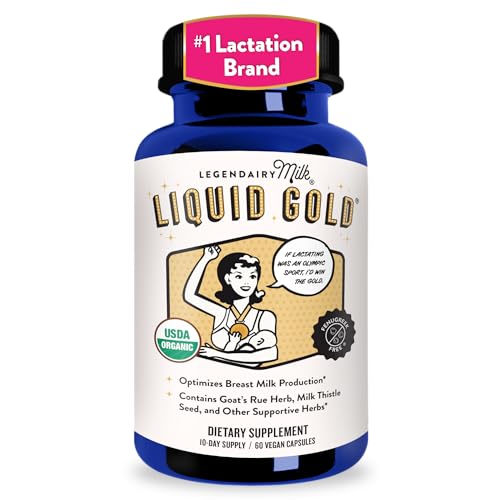
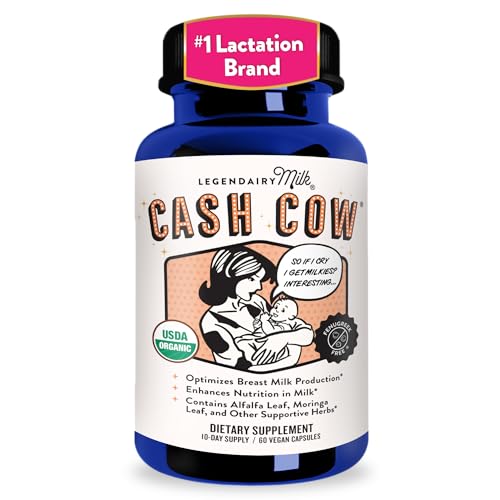
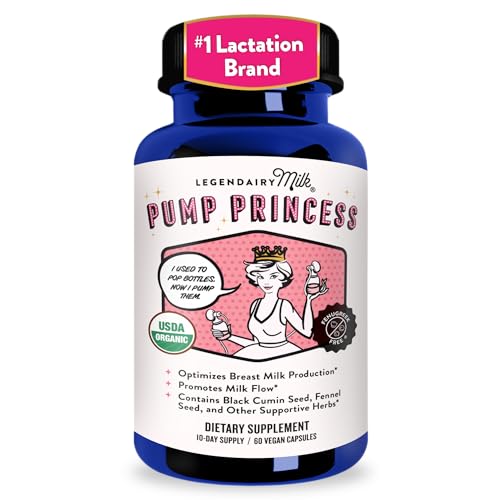
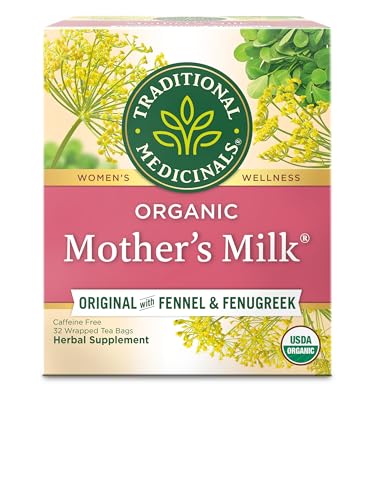
Shop Recommended Products ↓Understanding the connection between your menstrual cycle and breast milk supply is essential for breastfeeding moms. Many women notice a temporary dip in milk production a few days before and during their period, which can be concerning. This guide explains why it happens, how to manage it, and when to seek support so you can continue breastfeeding with confidence.
Why Does Menstruation Affect Breast Milk Supply?
The drop in milk supply is often linked to hormonal changes. During the luteal phase (after ovulation), levels of estrogen and progesterone rise, and just before your period, they drop sharply. This hormonal shift can interfere with prolactin and oxytocin, the two key hormones responsible for milk production and let-down. As a result, you may notice:
- A slight decrease in pumped milk volume (often 10–30%)
- Baby seems fussier or wants to nurse more frequently
- Mild breast tenderness or changes in milk taste (due to increased sodium)
These changes are usually temporary and resolve within a few days after your period starts. However, if you're already struggling with low milk supply, the menstrual dip can feel more significant. The good news is that there are evidence-based strategies to minimize the impact and keep your baby well-fed.
✨ Quick Tips to Manage Supply During Your Period
- Stay hydrated: Drink at least 8–10 glasses of water daily, and more if you're active.
- Nurse on demand: Frequent nursing signals your body to produce more milk.
- Consider calcium/magnesium supplements: Some studies suggest they may reduce the supply dip (consult your doctor).
- Pump extra in the days before your period: Build a small freezer stash to use during the dip.
- Rest and manage stress: Cortisol can inhibit oxytocin, so prioritize self-care.
How to Keep Your Milk Supply Steady
If you're worried about a drop in supply, here are the most effective, research-backed approaches. First, track your cycle using an app or calendar. Knowing when your period is due helps you anticipate the dip and prepare. Second, adjust your feeding routine by offering the breast more often during the pre-menstrual phase. Your baby's extra sucking will naturally stimulate more milk production.
Additionally, many moms find that certain birth control methods can affect supply, so it's worth discussing options with your provider. If you're using a breast pump, try power pumping (pumping for 10 minutes, resting 10, repeating for an hour) to mimic cluster feeding and boost production. And don't underestimate the power of skin-to-skin contact—it helps release oxytocin and improves let-down.
When Should You See a Lactation Consultant?
While a slight dip is normal, certain signs may indicate a more serious issue. If your baby is not gaining weight, has fewer wet diapers, or you're unable to maintain a baseline supply despite consistent efforts, reach out to a lactation consultant or your pediatrician. They can assess for conditions like lactose intolerance or thyroid imbalances, which might coexist with menstrual fluctuations.
Remember, every body is different. Some moms notice no change at all during their period, while others experience a clear pattern. Trust your instincts and observe your baby's cues. With the right knowledge and tools, you can navigate this phase successfully.
Frequently Asked Questions
Can I take pain relievers for period cramps while breastfeeding?
Yes, ibuprofen and acetaminophen are generally considered safe during breastfeeding. Avoid aspirin unless prescribed. Always consult your doctor.
Will my baby refuse my milk during my period?
Some babies may notice a slight change in taste due to higher sodium levels. Most will continue nursing normally. If baby is fussy, try offering the breast more frequently or pump and mix with expressed milk from a different time.
Does getting my period back mean my supply is ending?
No. Your period returning simply means your body is fertile again. It does not signal the end of breastfeeding. With proactive management, you can continue to nurse for as long as you and your baby desire.
For more support, explore our newborn sleep guide and tummy time tips to ensure your baby is thriving overall. And if you're considering weaning or transitioning to formula, we have resources to help you make informed choices.