Nursery Glider Recliner with Ottoman: The Complete Buying Guide
Everything you need to know about choosing a comfortable, safe, and stylish glider recliner with ottoman for your nursery — from motion types and materials to room layout and long-term value.
EXPLORE BUYING FACTORSWhy This Chair Matters: A nursery glider recliner with ottoman is more than furniture — it's your command center for late-night feedings, story time, and quiet bonding moments. Choosing the right one can make the difference between restful nights and restless ones. This guide walks you through every consideration so you can decide with confidence.
What Is a Nursery Glider Recliner with Ottoman?
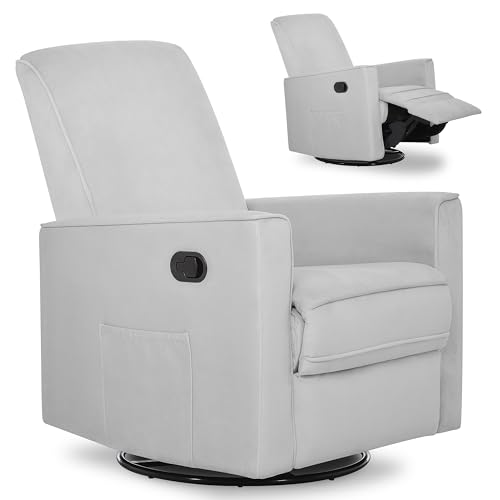
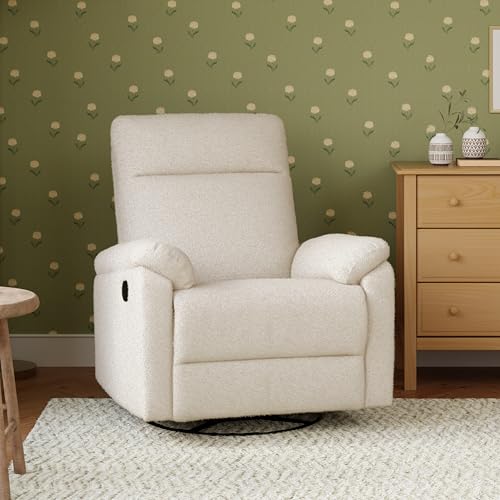
A nursery glider recliner with ottoman is a specialized seating piece that combines three functions into one: a smooth gliding motion (forward and back), a rocking or reclining mechanism, and a matching footrest. Unlike a standard armchair, this type of chair is engineered for the repetitive, gentle motions that soothe infants and support nursing or bottle-feeding parents.
The ottoman isn't just an accessory — it completes the ergonomic setup. When your feet are elevated, your posture improves during feeding, and the gliding motion becomes effortless. Together, the chair and ottoman create a dedicated comfort zone that becomes the heart of your nursery.
Modern glider recliners range from entry-level models with basic glide mechanisms to premium and luxury tiers featuring power recline, USB charging ports, and upholstery in performance fabrics. Understanding where each tier sits helps you match features to your actual needs rather than over- or under-buying.
Key Buying Factors to Consider
Before you commit to a model, evaluate these core factors. Each one influences daily comfort, safety, and how well the chair fits your nursery.
🧭 Motion Type
Glider-only, glider-recliner, or swivel-glider. Decide whether you need recline functionality or simple gliding. Recliner models offer multiple positions for rest.
📏 Footprint & Clearance
Measure your nursery and account for recline clearance. A chair that's too large can block walkways or crowd the crib.
🧵 Upholstery Material
Performance fabrics resist stains and are easy to clean. Leather and faux leather offer durability but can feel cold in winter.
🛡️ Safety Certification
Look for JPMA certification and Greenguard Gold for low emissions. A locking mechanism is essential to prevent unintended gliding.
🪑 Cushion Support
High-density foam maintains shape over years. Pocket coil seating adds durability and comfort for heavier use.
🔇 Noise Level
A quiet glide mechanism is critical for not waking a sleeping baby. Test the chair in-store or read reviews about noise.
1. Motion Mechanisms: Glider vs. Recliner vs. Swivel
Not all motion is created equal. A traditional glider moves horizontally on a sliding track, while a recliner rocks on a base and can lean back into resting positions. Swivel models add 360-degree rotation, which helps you turn toward the crib or changing table without standing up.
For most nurseries, a glider recliner with ottoman offers the best balance: the soothing glide for the baby, recline for the parent's rest, and an ottoman for leg support. If space is tight, a swivel-glider without recline may be the better fit. Consider how you'll actually use the chair — feeding, reading, or resting — and prioritize accordingly.
2. Size, Footprint, and Room Layout
Measure your nursery before shopping. A typical glider recliner occupies a footprint of roughly 30 to 38 inches wide, but recline clearance can add another 12 to 18 inches behind the chair. Leave at least 18 inches of walking space around the chair, and ensure the ottoman doesn't block the path to the crib or door.
If your nursery is compact, look at mid-range or entry-level models with a smaller base. Corner placement often works well for gliders, but confirm the recline direction and swing clearance. For layout inspiration, see our nursery layout guide.
3. Upholstery and Cleaning
Spit-up, milk spills, and diaper accidents are inevitable. Performance fabrics such as microfiber, Crypton, or treated polyester resist stains and wipe clean easily. Removable, machine-washable covers are a practical bonus. If you choose a fabric with a velvet or boucle finish, check whether it's treated for stain resistance.
Leather and faux leather look polished and wipe down quickly but can feel cool and show scratches over time. For a more breathable option, cotton-blend or linen-look fabrics work well in warmer climates. Whatever you choose, confirm the care instructions before purchase.
4. Frame Construction and Durability
The frame determines how long the chair lasts. Solid hardwood frames (kiln-dried) are the gold standard, resisting warping and creaking. Engineered wood and metal frames can be durable too, but check for reinforced joints and weight ratings. A quality glider recliner should support at least 250 to 300 pounds.
In premium and luxury tiers, you'll find glued-and-screwed joinery, corner blocks, and heavier steel mechanisms. These models are built as long-term investments that can transition into a living room chair after the nursery years.
5. Comfort Features and Ergonomics
Look for high-density foam cushions, padded armrests, and a supportive backrest that cradles the spine. Pocket coil seating adds resilience and prevents the "sinking" feeling that cheap foam develops. A headrest that adjusts or a lumbar pillow can significantly improve comfort during long feeding sessions.
The ottoman should match the chair's height so your knees are slightly below hip level when seated — this reduces strain on the lower back. Some ottomans include storage compartments, which are handy for burp cloths, nursing pads, or remote controls. For more comfort-focused options, browse our picks for the most comfortable nursery glider recliner.
6. Safety Standards and Certifications
Safety is non-negotiable in a nursery. Look for JPMA (Juvenile Products Manufacturers Association) certification, which verifies the chair meets voluntary safety standards. Greenguard Gold certification indicates low chemical emissions, important for indoor air quality in a baby's room.
A locking mechanism prevents the glider from moving unexpectedly, especially important once your baby becomes mobile. Ensure the chair is assembled correctly, all bolts are tightened, and the base sits flat on the floor. Place the chair away from windows, cords, and radiators to reduce hazards.
7. Tier Comparison at a Glance
To help you map features to market positioning, here's how glider recliners typically differ across tiers:
| Tier | Typical Features | Best For |
|---|---|---|
| Entry-Level | Basic glide mechanism, foam cushions, limited recline, simple fabric | Short-term use, small spaces, first-time parents testing needs |
| Mid-Range | Smooth glide, multi-position recline, pocket coil or high-density foam, stain-resistant fabric | Daily long-term use, feeding and reading, most families |
| Premium | Power recline, swivel-glide, USB port, premium upholstery, hardwood frame | Nursery-to-living-room transition, maximum comfort, frequent use |
| Luxury | Custom fabrics, handcrafted joinery, extended warranty, integrated lighting or charging | Design-forward nurseries, long-term investment, heirloom quality |
Tiers are relative, not absolute — a well-made mid-range chair often outperforms a poorly made premium one. Focus on construction and comfort over labels.
8. Pairing the Ottoman with the Chair
The ottoman should be sold as part of a set or designed to match the chair's height, fabric, and style. A mismatched ottoman can look disjointed and, more importantly, may not provide the right leg elevation. Some ottomans glide in sync with the chair, which is ideal for feeding. Others are stationary and serve as a footrest or extra seat.
If space is tight, consider an ottoman with a smaller footprint or a chair with a built-in footrest. Storage ottomans are a practical bonus in nurseries where clutter accumulates quickly. For more options on complementary seating, see our guide to the most comfortable rocking chair for nursery.
9. Placement and Long-Term Use
Position the glider near the crib but not so close that you can't stand up safely while holding the baby. Avoid placing it directly under a window or next to a heater. If the chair will later move to a living room, choose a style and fabric that coordinates with your broader home decor.
A quality glider recliner with ottoman is a long-term investment. With proper care, it can serve through the toddler years and beyond — becoming a reading nook or a comfortable accent chair. Consider the chair's visual style as much as its function. Explore related nursery furniture in our nursery furniture sets guide and non-toxic nursery furniture recommendations.
Frequently Asked Questions
A glider moves back and forth horizontally on a sliding track, while a recliner rocks and leans back into resting positions. A glider recliner combines both motions, giving you a smooth glide for soothing the baby and a recline option for resting. The ottoman adds leg support that makes both motions more comfortable.
Yes, when assembled correctly and placed safely. Choose models with a locking mechanism, sturdy frame, and JPMA or Greenguard Gold certification. Keep the chair away from windows, cords, and heaters. Always tighten all bolts and check stability periodically, especially once your baby becomes mobile.
Measure your nursery and leave at least 18 inches of clearance around the chair. Account for recline clearance, which can add 12 to 18 inches behind the chair. Ensure the ottoman fits without blocking walkways. For compact rooms, look for smaller-footprint models or swivel-gliders without recline.
Absolutely. A well-built glider recliner often transitions into a reading chair, a living room accent piece, or a cozy corner seat. Choosing a timeless fabric and frame style makes this transition seamless and turns the purchase into a long-term investment.
Ready to Find Your Perfect Glider Recliner?
Explore our curated selection of nursery glider recliners with ottomans, chosen for comfort, safety, and durability. Compare features and find the one that fits your nursery.
View Recommended Models