Most Recommended Pacifiers: A Complete Buying Guide
Everything parents need to know about choosing a safe, comfortable, and developmentally supportive pacifier — from nipple shapes and materials to safety standards and replacement schedules.
Why This Guide Matters: A pacifier is one of the first soothing tools your baby will use, often for several hours a day. The right choice supports healthy oral development, reduces the risk of skin irritation, and gives parents peace of mind. This guide walks you through every decision point so you can choose confidently — whether you are preparing a newborn must-haves list or refining your baby registry.
Why Pacifiers Remain a Parenting Staple
Pacifiers have been used for generations, and for good reason. Sucking is a natural reflex that helps newborns self-soothe, and a pacifier can meet that need between feedings. Pediatric organizations recognize that pacifiers may help reduce the risk of sudden infant death syndrome (SIDS) during sleep, although the exact mechanism is not fully understood. They can also offer comfort during stressful moments such as vaccinations, travel, or teething.
That said, a pacifier is not without considerations. Prolonged use beyond toddlerhood can affect dental alignment and speech development, and frequent use may increase the risk of ear infections. The goal of this guide is not to promote pacifier use universally, but to help you choose wisely if you decide a pacifier belongs in your baby's routine.
Types of Pacifiers: Finding the Right Fit
Orthodontic vs. Symmetrical Nipples
Orthodontic pacifiers feature a flattened, angled nipple designed to mimic the shape of a mother's nipple during breastfeeding. They are intended to support the natural development of a baby's palate and jaw. Symmetrical pacifiers have a uniform, rounded nipple that works regardless of how the baby holds it in the mouth. Some parents find symmetrical designs easier for newborns to keep in place, while orthodontic designs are often recommended by pediatric dentists as a preventive measure for frequent users.
One-Piece vs. Multi-Piece Construction
One-piece pacifiers are molded from a single material, which eliminates the risk of small parts detaching. Multi-piece pacifiers combine a shield, nipple, and ring, and while they can be convenient for attaching clips, they require careful inspection for wear. For newborns and infants, one-piece designs are generally the safer and more recommended option.
Shield Design and Ventilation
The shield prevents the pacifier from being swallowed and keeps it away from the baby's skin. Look for shields with ventilation holes, which allow air circulation and reduce moisture buildup that can lead to irritation. A curved shield that follows the contour of the baby's face tends to sit more comfortably, especially for babies who spend long periods with a pacifier.
Silicone vs. Latex: Material Matters
The two primary pacifier materials are silicone and latex. Silicone is transparent, odorless, and does not absorb flavors. It tends to hold its shape well over time and is dishwasher-safe in most designs. Latex is a natural rubber that is softer and more pliable, which some babies find easier to accept, but it degrades faster, develops a rubbery odor, and carries a higher risk of allergy for sensitive babies.
For most families, silicone is the more recommended choice because of its durability and ease of cleaning. Latex may be preferred for very young newborns who struggle with firmer silicone nipples, but it should be replaced more frequently.
Safety Standards Every Pacifier Should Meet
- One-piece construction to eliminate choking hazards from detachable parts.
- Ventilation holes in the shield to prevent moisture buildup and skin irritation.
- BPA-free and phthalate-free materials to reduce exposure to harmful chemicals.
- Age-appropriate sizing — newborn, infant, and toddler sizes are not interchangeable.
- Compliance with safety standards such as ASTM or EN 1400 for pacifiers.
- No cords or strings attached to the pacifier during sleep, as these pose a strangulation risk.
Inspect pacifiers regularly for tears, discoloration, or a sticky texture. Replace them every four to six weeks, and immediately if any damage is visible.
Comparing Pacifier Categories by Tier
The table below organizes pacifier options by market tier so you can match your priorities with the right category. Descriptors reflect relative positioning within the market rather than absolute figures.
| Tier | Category | Best For | Key Characteristics |
|---|---|---|---|
| Essential Tier | Basic one-piece silicone | Everyday soothing, newborns | Simple design, ventilation holes, easy to clean |
| Balanced Tier | Orthodontic silicone with ergonomic shield | Frequent users, babies with skin sensitivity | Curved shield, orthodontic nipple, glow-in-the-dark options |
| High-End Tier | Premium silicone with advanced shield design | Parents prioritizing oral development | Ultra-soft nipple, reinforced shield, sterilizer-case compatible |
| Top-Tier | Designer and specialty pacifiers | Gift-giving, style-conscious families | Boutique designs, premium materials, coordinated accessories |
How to Choose the Most Recommended Pacifier for Your Baby
Every baby is different, and the "best" pacifier is the one your baby accepts comfortably and uses safely. Start with these practical steps:
- Match the size to your baby's age. Newborn pacifiers have smaller shields and nipples than infant or toddler sizes. Using the correct size reduces the risk of discomfort and swallowing hazards.
- Consider your feeding method. If you are breastfeeding, some lactation consultants suggest introducing a pacifier only after breastfeeding is well established, often around three to four weeks. If you are formula feeding or combination feeding, the timing is more flexible.
- Test acceptance with a single unit. Babies can be particular about nipple shape and firmness. Try one pacifier before committing to a multi-pack.
- Prioritize easy cleaning. Dishwasher-safe silicone pacifiers simplify the daily routine, especially during the newborn phase when sterilization is frequent.
- Plan for replacement. Pacifiers wear out. Build a replacement schedule into your routine and keep spare units on hand.
If you are assembling a full newborn kit, our guide to necessary items for newborn care can help you see how pacifiers fit alongside feeding, diapering, and sleep essentials.
When to Introduce — and When to Wean
Many parents introduce a pacifier during the first few weeks, often during sleep or stressful moments. For breastfed babies, waiting until feeding is established can help protect milk supply and latch technique. Once introduced, use the pacifier as a soothing tool rather than a constant companion — offering it at sleep times and during moments of distress is a common approach.
Weaning typically begins between six months and two years, depending on the child's developmental stage and dental guidance. Gradual reduction, combined with alternative comfort objects, tends to be gentler than abrupt removal. If your child uses a pacifier frequently beyond age two, discuss a weaning plan with your pediatric dentist.
Cleaning and Maintenance Best Practices
- Wash pacifiers with warm water and mild soap after each use, especially during the newborn phase.
- Sterilize by boiling or using a steam sterilizer according to the manufacturer's instructions.
- Avoid cleaning pacifiers with your mouth — this can transfer cavity-causing bacteria.
- Store pacifiers in a clean, ventilated case when not in use.
- Inspect weekly for cracks, tears, or discoloration, and replace at the first sign of wear.
Common Pacifier Mistakes to Avoid
- Using the wrong size. A pacifier that is too small or too large can be uncomfortable or unsafe.
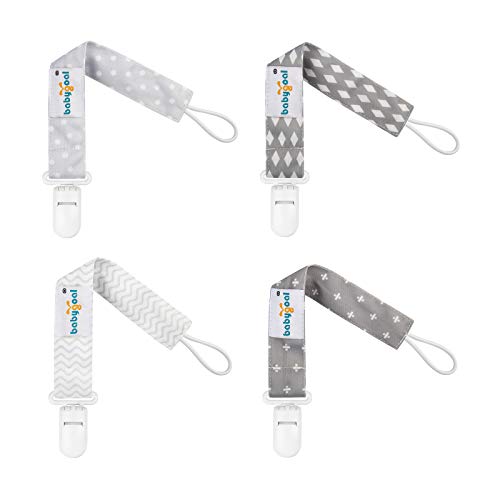
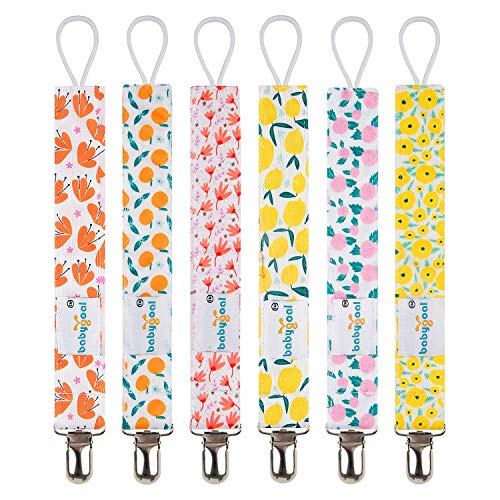
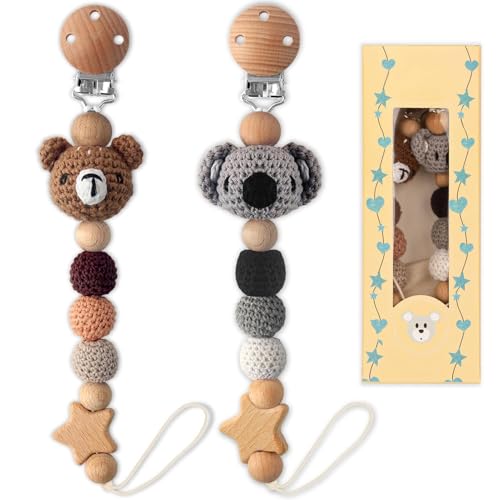
- Attaching cords during sleep. Pacifier clips are useful during the day but should never be used in the crib.
- Ignoring wear and tear. A worn nipple can tear and become a choking hazard.
- Using a pacifier as a feeding substitute. Pacifiers should not replace feedings or delay responding to hunger cues.
- Skipping sterilization early on. Newborns have developing immune systems, so clean pacifiers thoroughly in the first months.
Frequently Asked Questions
What is the most recommended pacifier type for newborns?
For newborns, one-piece silicone pacifiers with a symmetrical or orthodontic nipple shape are generally recommended. Look for models with a small shield and ventilation holes to reduce skin irritation.
When should I replace a baby's pacifier?
Pacifiers should be replaced every four to six weeks, or sooner if you notice signs of wear such as discoloration, tears, or a sticky texture. Always replace immediately if the nipple shows any damage.
Are orthodontic pacifiers better than traditional ones?
Orthodontic pacifiers are designed to support the natural development of a baby's palate and teeth. While research on their long-term benefits is mixed, many pediatric dentists suggest them as a preventive option, especially for babies who use a pacifier frequently.
Can a pacifier interfere with breastfeeding?
If introduced too early, a pacifier can interfere with breastfeeding establishment. Many lactation consultants recommend waiting until breastfeeding is well established, often around three to four weeks, before introducing a pacifier.
How do I clean a pacifier properly?
Wash with warm water and mild soap after each use, and sterilize regularly by boiling or using a steam sterilizer. Avoid cleaning with your mouth, and store pacifiers in a clean, ventilated case.
Ready to Choose the Right Pacifier?
Explore our curated selection of recommended pacifiers below. Every option has been selected with safety, comfort, and developmental support in mind.
View Recommended Pacifiers