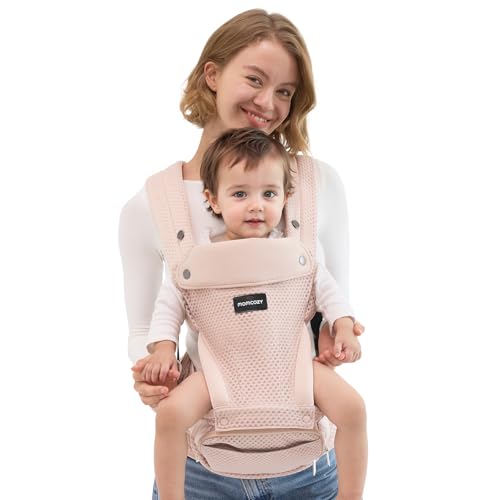
Infant Carrier Facing In: Benefits & Buying Guide
Keep your baby close, safe, and content. Learn why an inward-facing carrier is the best choice for newborns and young infants.
Why choose an infant carrier facing in? For newborns and young babies, facing inward is the safest, most natural position. It supports proper hip development, promotes bonding, and allows you to monitor your baby's breathing and comfort easily. This guide covers everything you need to know—from ergonomic benefits to safety tips and the best carriers on the market.
Key Benefits of Inward-Facing Carriers
👶 Bonding & Emotional Security
Face-to-face contact soothes your baby, reduces crying, and strengthens the parent-child bond. Your baby feels your heartbeat, warmth, and voice.
🦵 Healthy Hip Development
Inward-facing carriers naturally support the "M" position (knees higher than bottom), which is recommended by the International Hip Dysplasia Institute for healthy hip joints.
👀 Easy Monitoring
You can see your baby's face, check their airway, and ensure they're comfortable at all times. This is especially important for newborns.
🧘 Ergonomic Comfort for Parent
Properly designed carriers distribute weight evenly across your shoulders and hips, reducing back strain. Many inward-facing carriers are adjustable to fit different body types.
Safety & Positioning Guidelines
Using an inward-facing carrier correctly is crucial. Follow these T.I.C.K.S. rules for safe babywearing:
- Tight: The carrier should be snug enough to hold your baby close to your body.
- In view at all times: You should always be able to see your baby's face and airway.
- Close enough to kiss: Your baby's head should be close enough for you to kiss their forehead.
- Keep chin off chest: Ensure there is at least a finger's width between your baby's chin and chest.
- Supported back: The carrier should support your baby's back in its natural curve, with no slouching.
Also, ensure your baby's legs are in the ergonomic "M" position with knees higher than the bottom. For more on safe sleep and positioning, read our safe sleep products guide.
How to Choose the Best Inward-Facing Carrier
When selecting an infant carrier that faces in, consider these factors:
- Age and weight range: Most inward-facing carriers are suitable from birth (7–8 lbs) up to 25–35 lbs. Check the manufacturer's specifications.
- Adjustability: Look for carriers with adjustable seat width, head support, and shoulder straps. This ensures a proper fit as your baby grows.
- Material: Breathable fabrics like cotton or mesh are ideal for comfort and temperature regulation.
- Ease of use: Consider how easy it is to put on and take off, especially when you're alone.
- Support: A wide, padded waist belt and shoulder straps will distribute weight comfortably.
For a lightweight option that's perfect for travel, check out our review of the lightweight stroller for travel that complements your carrier.
✅ Advantages
- Promotes deep bonding and attachment
- Supports healthy hip development
- Easy to breastfeed discreetly
- Keeps baby calm and content
- Allows hands-free convenience
⚠️ Considerations
- Not suitable for older infants who want to see the world (switch to forward-facing or hip carry)
- Can be warm for both parent and baby in hot climates
- Requires proper positioning to avoid airway obstruction
Frequently Asked Questions
How long can I use an inward-facing carrier?
Most carriers can be used until your baby is around 25–35 lbs or when they outgrow the seat. Typically, this is up to 12–18 months, but many parents switch to forward-facing or back carries around 6 months when the baby shows interest in the surroundings.
Is inward-facing safe for newborns?
Yes, inward-facing is the safest position for newborns. Ensure the carrier provides adequate head and neck support, and always follow the T.I.C.K.S. rules.
Can I breastfeed while using a carrier?
Many inward-facing carriers allow you to breastfeed discreetly by loosening the straps slightly and positioning your baby lower. Practice at home before trying it in public. For more on feeding, see our newborn feeding schedule guide.
When your baby is ready to face out: Around 4–6 months, when your baby has good head control, you can start using a forward-facing carrier or a hip carry. This allows them to explore the world while staying close. For more tips on baby development, read our infant milestones by week article.
If you're also looking for a stroller with bassinets and car seat that pairs well with your carrier, or need a travel system with bassinet, we have comprehensive guides. For babywearing in warmer weather, consider a lightweight stroller with reversible seat as an alternative. And don't forget to check our nursing cover for discreet feeding on the go.
Prices vary based on brand, materials, and features. Premium ergonomic carriers (like Ergobaby, BabyBjörn, Tula) often fall in the $150–$250 range, while budget-friendly options start around $50.