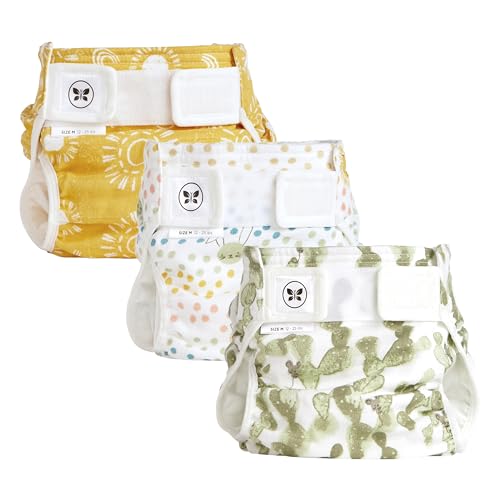
Parents researching diapering options often feel torn between two camps: reusable cloth systems that reduce waste, and disposable diapers that simplify cleanup. Hybrid cloth diapers with disposable inserts sit right in the middle, offering a modular approach that adapts to travel days, nighttime routines, and caregiver preferences. This guide explains how the system works, what to look for when comparing products across tiers, and how to build a routine that actually sticks.
What Are Hybrid Cloth Diapers with Disposable Inserts?
A hybrid diaper system uses a reusable outer cover paired with an absorbent insert. The key difference from a standard all-in-two or all-in-one cloth diaper is that the insert can be either cloth or disposable. On a typical day at home, you might snap in a washable cloth insert. On a long outing or during a diaper change at a relative's house, you swap in a disposable insert and simply toss it after use. The cover itself is usually wiped clean and reused several times before going into the wash.
This modular design means you do not have to commit fully to one method. Parents who want to reduce disposable waste but still need occasional convenience find hybrids especially practical. If you are still comparing the broader category, our cloth versus disposable breakdown provides additional context on environmental and routine trade-offs.
Quick definition: A hybrid diaper = reusable waterproof cover + interchangeable absorbent insert (cloth or disposable). The cover is the durable component; the insert is the consumable or washable layer that handles absorption.
How the Hybrid System Works in Practice
The workflow is straightforward once you establish a rhythm. A reusable cover is fitted around the baby with snaps, hook-and-loop tabs, or a pull-on design. An insert is placed inside—either tucked into a pocket, laid flat against the skin, or snapped into the cover's inner lining depending on the design. When the diaper is soiled, the insert is removed. Disposable inserts go into the trash; cloth inserts go into a wet bag or diaper pail.
The cover is checked for moisture or soiling. In most cases, a quick wipe with a damp cloth is enough between changes. Covers typically rotate through two to four uses before needing a full wash cycle. This rotation reduces laundry volume significantly compared to all-in-one cloth diapers, where the entire diaper goes into the wash after every change.
Three Common Hybrid Configurations
- Cover plus lay-in insert: The simplest setup. The insert rests inside the cover without snaps or pockets. Fast to assemble and easy to adjust absorbency by adding a booster.
- Cover plus snap-in insert: The insert fastens to the cover with snaps, which keeps it from shifting during active play. Slightly more structured and often preferred for mobile babies.
- Pocket-style hybrid: The cover includes a pocket opening where either a cloth or disposable insert is stuffed. This design offers good containment and works well for naps and nighttime.
Benefits of Choosing a Hybrid Diaper System
The hybrid approach appeals to families who want flexibility without overhauling their entire diaper stash. Here are the main advantages parents report:
- Flexible absorbency: You can add a booster for heavy wetters or use a lighter insert during the day. This adaptability is especially useful for newborns who need frequent changes and older babies who sleep longer stretches.
- Reduced laundry volume: Because covers are reused, you wash fewer items per week than with all-in-one cloth diapers. The inserts do the heavy lifting; the covers simply need periodic refreshing.
- Travel-friendly: Disposable inserts simplify diaper changes away from home. You do not need to carry a wet bag for soiled inserts, and the cover can be wiped and reused.
- Gradual transition to cloth: Families curious about cloth diapering can start with hybrid covers and disposable inserts, then introduce cloth inserts as they build confidence.
- Caregiver compatibility: Grandparents, babysitters, and daycare providers often find disposable inserts more familiar. The hybrid system bridges the gap between household routines.
For parents exploring broader eco-friendly options, our guide to hypoallergenic diapers for sensitive skin covers materials and skin-friendly considerations that pair well with hybrid systems.
Cloth Inserts vs. Disposable Inserts: A Practical Comparison
Understanding the strengths of each insert type helps you decide how to stock your diaper stash. Most hybrid families keep a mix of both and adjust based on the day's plans.
| Feature | Cloth Inserts | Disposable Inserts |
|---|---|---|
| Absorbency | Adjustable with boosters; excellent for heavy wetters | Consistent and predictable; designed for standard changes |
| Laundry Impact | Requires washing and drying; adds to laundry cycle | No laundry; simply discard after use |
| Best For | Daily home use, overnight, families building a reusable stash | Travel, outings, caregiver handoffs, backup supply |
| Skin Contact | Choose natural fibers like cotton or bamboo for breathability | Look for fragrance-free and dye-free options for sensitive skin |
| Environmental Profile | Reusable over many cycles; reduces ongoing waste | Convenient but generates ongoing disposable waste |
What to Look for When Comparing Hybrid Diaper Options
Hybrid diapers vary in construction quality and feature sets. Rather than focusing on a single specification, evaluate how the system fits your baby's body and your household routine. The following criteria help organize your research:
Cover Materials and Fit
Waterproof covers typically use a polyester shell with a polyurethane laminate (PUL) backing or a thermoplastic polyurethane (TPU) film. Both are durable and wipeable. Fit matters more than material choice: look for adjustable rise snaps that accommodate growth, gusseted leg openings for containment, and a waistband that does not dig into the skin. A well-fitted cover in the mid-range tier often performs as well as a premium option if the sizing matches your baby's shape.
Insert Compatibility
Check whether the cover works with both cloth and disposable inserts. Some covers are designed specifically for one type. A cover with a simple lay-in design usually accepts either. Snap-in systems may require brand-specific inserts, which limits flexibility. If you plan to mix and match, favor covers with open interiors.
Absorbency and Booster Options
Cloth inserts come in microfiber, cotton, bamboo, and hemp blends. Microfiber absorbs quickly but can become compressed over time; natural fibers absorb more slowly but hold more liquid. Many parents layer a fast-absorbing insert with a slower-absorbing booster for overnight use. Disposable inserts vary in thickness and length; choose a size that matches your cover's interior without bunching.
Closure Type
Snap closures are durable and hold up well to repeated washing. Hook-and-loop (velcro-style) closures offer faster changes and finer fit adjustment, but they can lose grip over time and may snag other laundry items. Consider your priority: longevity favors snaps, speed favors hook-and-loop.
Washability and Care Routine
Most covers can be machine washed on a gentle cycle and air-dried. Avoid fabric softeners, which can coat the waterproof layer and reduce performance. Disposable inserts should never be flushed unless the manufacturer explicitly states they are flushable—most are not. A diaper pail designed for cloth or a simple wet bag keeps soiled cloth inserts contained between wash days.
Care tip: Rotate at least six to eight covers if you plan to use cloth inserts daily. This allows covers to fully dry between uses and extends their lifespan. Disposable inserts can supplement the rotation on busy days.
Building a Hybrid Diaper Stash by Tier
Product positioning in the hybrid category ranges from entry-level starter sets to premium systems with specialized fabrics. The right tier depends on how intensively you plan to use the system and how much convenience you want built in.
- Essential tier: Basic covers with simple snap closures and lay-in inserts. A solid starting point for families testing the hybrid approach. These systems are typically feature-minimal but functional for daytime use.
- Balanced tier: Covers with adjustable rise snaps, gusseted legs, and compatibility with both cloth and disposable inserts. This tier usually offers the best mix of durability and flexibility for everyday use.
- Premium tier: Enhanced fabrics, reinforced seams, and snap-in insert systems designed for heavy use. Premium covers often include double gussets and softer inner linings, which can be gentler on sensitive skin.
- Top-tier or flagship systems: Complete kits with multiple insert types, wet bags, and travel accessories. These are well-specified for families committing to hybrid diapering long term.
Entry-level covers are generally sufficient for occasional use and backup supply. Families diapering full time typically find the balanced or premium tier more efficient in the long run because covers withstand more wash cycles and fit a wider range of body shapes.
Hybrid Diapering and Sensitive Skin
Babies with sensitive skin benefit from careful material selection. Disposable inserts should be fragrance-free and dye-free. Cloth inserts made from unbleached cotton or bamboo reduce exposure to synthetic finishes. If diaper rash is a recurring concern, our guide to home remedies for stubborn diaper rash offers practical relief strategies that work alongside a hybrid routine.
Wetness against the skin is a common rash trigger. A fleece-topped cloth insert or a liner can wick moisture away. Change frequency matters more than insert type: aim for changes every two to three hours during the day and promptly after bowel movements.
Common Questions About Hybrid Cloth Diapers
Can I use disposable inserts with any cloth diaper cover?
Most lay-in covers accept disposable inserts, but snap-in systems may require brand-specific inserts. Check the cover's interior design before assuming compatibility. A cover with an open pocket or flat interior is the most versatile.
How many covers do I need for full-time use?
A practical starting point is eight to ten covers if you are using cloth inserts daily and washing every two to three days. If you rely more heavily on disposable inserts, six covers may be sufficient. Rotation and air drying between uses extend cover life.
Are hybrid diapers suitable for newborns?
Yes, provided the cover fits the newborn's leg openings snugly. Many hybrid covers include rise snaps that adjust for smaller bodies. Newborns need frequent changes, so a hybrid system with disposable inserts can simplify the early weeks while you establish a routine.
Do disposable inserts break down in landfill?
Degradation rates vary by product and are generally slow in landfill conditions. If waste reduction is a priority, favor cloth inserts for daily use and reserve disposable inserts for travel and outings.
How do I store soiled cloth inserts before wash day?
A wet bag or a diaper pail with a washable liner works well. No soaking is required for most modern inserts. Remove solids into the toilet, then store dry. Wash every two to three days to prevent odor and staining.
Is a Hybrid Diaper System Right for Your Family?
Hybrid cloth diapers with disposable inserts suit families who want flexibility without sacrificing absorbency or convenience. They are especially practical for parents who split diapering duties with caregivers, travel frequently, or want to test cloth diapering before committing to a full stash. The modular design means you can scale up your cloth insert collection over time while keeping disposable inserts as a backup.
If you are also preparing a diaper bag for outings, our guide to choosing a diaper bag covers organization features that pair well with hybrid diapering. And for families thinking ahead to the toddler stage, our overview of hypoallergenic disposable diapers can help you plan transitions as absorbency needs change.
Start with a small set of covers and a mix of cloth and disposable inserts. Evaluate how the routine feels after a few weeks, then adjust quantities and tier based on your actual usage. The hybrid approach is designed to flex with your family—not the other way around.