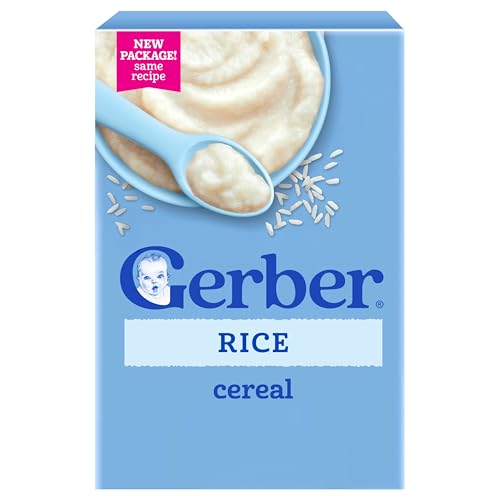
How Much Rice Cereal to Add to Formula
Safe ratios, step-by-step instructions, and expert tips for thickening formula with rice cereal. A complete guide for parents.
Adding rice cereal to formula is a common practice for parents managing infant reflux, transitioning to solids, or simply looking to keep their baby fuller for longer. However, getting the ratio right is crucial for your baby's safety and nutrition. This guide provides clear, evidence-based recommendations on how much rice cereal to add to formula, along with preparation tips and important safety warnings.
Quick Reference: The 1:4 Rule
Start with 1 tablespoon of rice cereal per 4 ounces of prepared formula. This is the standard starting point recommended by pediatricians. Adjust thickness gradually based on your baby's needs and your pediatrician's advice.
Why Parents Add Rice Cereal to Formula
There are several legitimate reasons why parents consider adding rice cereal to their baby's formula. The most common include:
- Managing Reflux: Thickening formula can help reduce spit-up and acid reflux in some infants.
- Extended Fullness: The added calories and bulk may help some babies sleep longer between feeds.
- Transition to Solids: Introducing the texture and taste of cereal in a familiar medium (formula) can be a gentle start to solids.
- Addressing Poor Weight Gain: Under medical supervision, adding cereal can increase caloric density.
Important: Always consult your pediatrician before adding rice cereal to your baby's formula. This practice is not recommended for newborns (under 4 months) without specific medical advice.
The Perfect Ratio: How Much Rice Cereal to Add
The golden rule is to start conservatively. The standard guideline is 1 tablespoon of rice cereal per 4 ounces (120 ml) of prepared formula. This creates a mildly thickened mixture that is still easy to flow through a standard nipple.
Below is a quick reference table for common formula amounts:
| Formula Amount (oz / ml) | Rice Cereal (tablespoons) | Consistency |
|---|---|---|
| 4 oz (120 ml) | 1 tbsp | Lightly thickened (starter) |
| 6 oz (180 ml) | 1.5 tbsp | Moderately thickened |
| 8 oz (240 ml) | 2 tbsp | Thicker (for severe reflux under guidance) |
| 2 oz (60 ml) | ½ tbsp | Very mild (for trial feeds) |
* Adjust the amount based on your baby's age, feeding response, and pediatrician's recommendation. Never exceed 2 tablespoons per 8 ounces without medical advice.
How to Prepare Formula with Rice Cereal
Follow these steps to ensure a safe, smooth mixture:
- Prepare the formula according to the manufacturer's instructions (powder or liquid).
- Measure the rice cereal using a standard measuring spoon. Level it off for accuracy.
- Add the cereal to the prepared formula in a bottle or mixing cup.
- Shake or stir vigorously for at least 30 seconds to ensure the cereal is fully dissolved and no clumps remain.
- Check the consistency – the mixture should flow easily through the bottle nipple. If it's too thick, add a little more formula; if too thin, add a tiny bit more cereal.
- Test the temperature on your wrist before feeding.
Pro Tip: Use a whisk or a shaker bottle to mix thoroughly. Clumped cereal can block the nipple and pose a choking hazard.
Important Safety Warnings
Adding rice cereal to formula is not without risks. Be aware of the following:
- Choking Hazard: A thickened formula requires a larger nipple hole (cross-cut or variable flow) to prevent choking. Monitor your baby closely.
- Arsenic Concern: Rice cereal contains trace amounts of inorganic arsenic. The FDA advises limiting rice cereal intake and diversifying grains (e.g., oatmeal, barley).
- Calorie Overload: Thickened formula increases caloric density. Overfeeding can lead to excessive weight gain.
- Constipation: Rice cereal is low in fiber and can cause constipation. Offer water (if age-appropriate) or prune juice under guidance.
- Not a Replacement for Medical Advice: If you're using cereal to treat reflux or poor weight gain, work closely with your pediatrician.
Alternatives to Rice Cereal
If you're concerned about arsenic or want to vary textures, consider these alternatives:
- Oatmeal Cereal: A great alternative with more fiber and less arsenic risk.
- Barley Cereal: Mild flavor and easily digestible.
- Commercial Thickeners: Products like Gelmix or SimplyThick are designed specifically for thickening formula and may be gentler on digestion.
Always introduce new foods or thickeners gradually and monitor for allergic reactions.
When to Stop Adding Cereal to Formula
Most babies will outgrow the need for thickened formula by 6–8 months, as they begin eating solid foods and their digestive system matures. Signs that it's time to stop include:
- Improved reflux symptoms without thickening.
- Baby shows interest in and tolerance of solid foods.
- Your pediatrician gives the green light.
Gradually reduce the amount of cereal over a week to allow your baby's stomach to adjust.
Expert Summary: Safe Practices
The safest approach is to start with 1 tablespoon per 4 ounces and never exceed 2 tablespoons per 8 ounces without medical supervision. Always mix thoroughly, use an appropriate nipple, and consult your pediatrician before making any changes to your baby's diet. Remember, every baby is unique—monitor their response and adjust accordingly.