
High Quality Newborn Clothes: The Complete Buying Guide
Everything expectant parents need to know about fabrics, safety standards, sizing, and building a practical newborn wardrobe that keeps your baby comfortable and protected from day one.
START READINGWhy This Guide Matters: A newborn's skin is up to five times thinner than an adult's, making clothing choice far more than a style decision. This guide walks you through fabric science, safety regulations, and real-world practicality so you can dress your baby with confidence — and avoid the common mistakes that lead to wasted purchases and skin irritation.
Why High Quality Newborn Clothes Deserve Careful Attention
Newborns spend the vast majority of their first months sleeping, feeding, and growing. Their skin is highly permeable and sensitive, and their bodies cannot regulate temperature as efficiently as older children or adults. This means the clothes you choose directly affect their comfort, skin health, and even sleep quality.
High quality newborn clothes are not about brand names or elaborate designs. They are about thoughtful construction: soft seams that do not chafe, breathable natural fibers that wick moisture, secure closures that stay put during nighttime changes, and fits that allow natural movement without restricting circulation. Parents who invest time in understanding these fundamentals often find that a smaller, well-chosen wardrobe outperforms an overflowing dresser of poorly made items.
This guide covers the complete decision framework: fabric types, safety certifications, sizing logic, seasonal layering, and the specific garments that earn their place in a newborn's daily rotation. Whether you are building a registry from scratch or refining a hand-me-down collection, the information below will help you make informed choices that serve your baby well.
The Fabric Guide: What Truly Defines High Quality
Natural Fibers vs. Synthetic Blends
The single most important factor in newborn clothing quality is the fabric composition. Natural fibers — particularly organic cotton, bamboo viscose, and merino wool — offer breathability, moisture management, and hypoallergenic properties that synthetic fabrics struggle to match. Synthetic materials like polyester and nylon can trap heat and moisture against the skin, potentially exacerbating diaper rash, heat rash, and eczema flare-ups.
That said, a small percentage of elastane (spandex) blended into natural fibers can improve stretch and shape retention without compromising breathability. The key is that natural fibers should dominate the composition — ideally 90 percent or more.
Fabric Comparison at a Glance
| Fabric | Breathability | Skin Sensitivity | Durability | Best For |
|---|---|---|---|---|
| Organic Cotton | Excellent | Very low risk | Good | Everyday bodysuits, sleepers |
| Bamboo Viscose | Excellent | Very low risk | Moderate | Sleepwear, sensitive skin |
| Merino Wool | Excellent | Low risk (fine grade) | Excellent | Cool-weather layering |
| Cotton-Poly Blend | Moderate | Moderate risk | Excellent | Outerwear, durable play clothes |
| 100% Polyester | Poor | Higher risk | Excellent | Fleece jackets (short wear) |
For parents specifically concerned about skin reactions, exploring hypoallergenic baby products alongside fabric choice is a smart complementary step. You can also review guidance on baby laundry routines to ensure your washing process preserves fabric softness and removes potential irritants.
Understanding Quality Tiers in Newborn Clothing
Newborn clothing falls into three broad market tiers. Understanding what each tier typically delivers helps you allocate your registry and shopping efforts strategically — without overcommitting to any single category.
Starter Tier
These garments use standard cotton or cotton-blend fabrics with basic construction. They meet safety standards and serve well for short-term use, but may show wear after repeated washing. Ideal for quantities where frequent changes are expected.
Mid-Tier
Mid-tier newborn clothes typically feature higher cotton content, reinforced seams, tagless labeling, and two-way zippers. This tier often delivers the best balance of durability, comfort, and practical features for daily rotation.
High-End Tier
Premium newborn clothing uses certified organic fibers, flatlock seams, nickel-free snaps, and precise sizing. These pieces are designed for longevity and often become hand-me-down staples. A worthwhile investment for core wardrobe items.
A practical approach is to build the bulk of the wardrobe from the balanced tier, add a few premium pieces for sleep and going-home outfits, and use essential-tier items for the messy, high-turnover categories like burp cloths and everyday bodysuits.
Safety Standards Every Parent Should Know
Flammability and Snug-Fitting Requirements
In many regions, children's sleepwear is regulated for flammability. The safest approach is to choose snug-fitting sleepwear that meets these standards without relying on chemical flame retardants. Loose-fitting garments made from untreated cotton can be more hazardous in a fire scenario, so fit matters as much as fabric.
Hardware and Attachment Safety
- Snaps and zippers: Ensure they are securely attached and nickel-free. Pull test any decorative element before first use.
- No drawstrings: Drawstrings around the neck or waist pose a strangulation risk and should be avoided entirely in newborn sizes.
- Tagless labels: Printed labels eliminate the scratch factor and reduce the risk of skin irritation behind the neck.
- Avoid loose embellishments: Buttons, beads, and appliqués can detach and become choking hazards. Embroidered or flat-printed designs are safer.
Certifications to Look For
Third-party certifications provide independent verification of safety and quality claims. OEKO-TEX Standard 100 certifies that a garment has been tested for harmful substances. GOTS (Global Organic Textile Standard) verifies organic fiber content and responsible processing. When you see these certifications on a label, you can have greater confidence that the fabric is safe against your newborn's skin.
Sizing Logic: How to Build a Wardrobe That Fits
Newborn sizing is notoriously inconsistent across brands. A "newborn" size from one manufacturer may fit like a "0-3 months" from another. Rather than relying on the size label alone, use weight and length as your primary guides, and always check the brand's specific size chart.
Practical Sizing Guidelines
- Newborn (NB): Typically fits babies up to roughly 8-9 pounds. Many babies outgrow this size within two to four weeks, so keep the NB quantity modest.
- 0-3 Months: The workhorse size for most families. This is where the bulk of your wardrobe should concentrate.
- 3-6 Months: Stock a smaller initial quantity and add more as your baby's growth curve becomes clear.
A common mistake is over-purchasing in the NB size. A safer strategy is to have 5-7 NB outfits for the first weeks and concentrate the majority of your purchases in the 0-3 and 3-6 month ranges. For parents exploring broader wardrobe planning, resources on newborn clothing and seasonal clothing guides offer additional context on building a year-round rotation.
The Essential High Quality Newborn Wardrobe
Core Garments and Quantities
| Garment | Suggested Quantity | Key Quality Features |
|---|---|---|
| Bodysuits (short & long sleeve) | 8-10 | Envelope neckline, snap crotch, tagless label |
| Sleepers / Footed Pajamas | 6-8 | Two-way zipper, snug fit, breathable fabric |
| Pants / Leggings | 4-6 | Soft waistband, stretch fabric, no tight cuffs |
| Going-Home Outfit | 1-2 | Seasonal appropriateness, easy car seat compatibility |
| Socks / Booties | 4-6 pairs | Non-slip soles for older infants, elastic that stays on |
| Hats (seasonal) | 2-3 | Soft brim, breathable, snug but not tight |
| Swaddle Blankets / Sleep Sacks | 3-4 | Breathable cotton or bamboo, TOG-rated for season |
For a coordinated take-home look, some parents enjoy hospital mommy and newborn matching outfits — a small but meaningful way to mark the occasion. For sleep-specific guidance, the sleepwear guide covers TOG ratings and safe sleep practices in detail.
Seasonal Layering and Temperature Control
Newborns cannot shiver effectively, so they rely on parents to regulate their temperature. A simple rule of thumb is to dress your baby in one more layer than you would wear in the same environment. Breathable base layers in organic cotton or bamboo form the foundation, with mid-layers and outer layers added or removed as conditions change.
In warmer months, a single short-sleeve bodysuit is often sufficient indoors. In cooler months, a long-sleeve bodysuit under a footed sleeper provides adequate warmth without overheating. Avoid overdressing — signs of overheating include flushed skin, rapid breathing, and damp hair. The baby care section covers additional guidance on recognizing temperature discomfort.
Common Mistakes to Avoid
- Prioritizing style over function: Elaborate outfits with multiple buttons or ties are impractical for frequent diaper changes. Look for quick-access closures.
- Buying too many NB-size items: Most babies outgrow this size quickly. Concentrate on 0-3 months.
- Ignoring fabric composition: A cute outfit made from synthetic blend may cause irritation and poor temperature regulation.
- Skipping pre-washing: Always wash newborn clothes before first wear using a gentle, fragrance-free detergent to remove manufacturing residues.
- Overlooking seam construction: Flatlock or reverse-stitched seams prevent chafing against delicate skin.
For parents thinking ahead to toddlerhood, the baby shoe guide and laundry care tips offer natural next steps in building a complete wardrobe system.
Top-Rated High Quality Newborn Clothes for Your Baby
⚠️ AFFILIATE DISCLOSURE: This website contains affiliate links. As an Amazon Associate, we earn from qualifying purchases. If you make a purchase through these links, we may receive a small commission at no additional cost to you. Read our full affiliate policy.

Yoofoss Baby Pajamas 100% Organic Cotton Newborn Sleepers Boys Girls Clothes, 3-Pack Soft infant Footed PJs with Mitten Cuffs, Zipper Footies Pajamas
Check price on Amazon
MIGIOL Baby Burp Cloths 100% Cotton Newborn Muslin Burp Cloths 10x20 inches Baby Essentials Blue & Green 5-Pack
Check price on Amazon
Renotemy Baby Boy Winter Clothes 0-3 Months Newborn Photography Outfits Boy | Baby Boy Winter Outfits,Newborn Thanksgiving Outfit Boy,Infant Fall Winter Clothes Sage Green Baby Bear Outfits
Check price on Amazon
Yoofoss Baby Pajamas 100% Organic Cotton Newborn Sleepers Boys Girls Clothes, 3-Pack Soft infant Footed PJs with Mitten Cuffs, Zipper Footies Pajamas
Check price on Amazon
Gerber Baby Girls 4 Pack 'N Play Footie And Toddler Sleepers, Golden Floral, Newborn US
Check price on Amazon
Organic Burp Cloths Baby Boy, Girl, 6-Pack Large Burping Cloths (Neutrals) | 100% Cotton Burp Clothes for Babies, Newborns Spit Up Rags, Super Soft, Absorbent Towels, Gender Neutral, Machine Washable
Check price on Amazon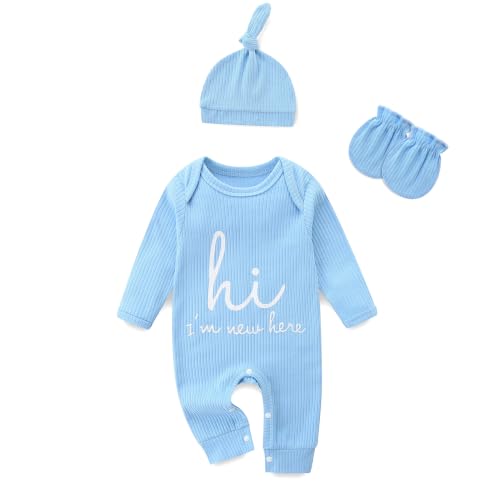
Jomixa Newborn Girls and Boys Romper, Hi I’m New Here Long Sleeve Cotton Baby Clothes, Coming Home Outfit (Blue, Newborn)
Check price on Amazon
Renotemy Baby Boy Clothes 0-3 Months Newborn Boy Clothes Winter Outfits | Infant Boy Clothes 0-3 Months,Sage Green Baby Boy Matching Outfit Sets With Hat,Newborn Winter Long Sleeve Button Rompers
Check price on AmazonFrequently Asked Questions
What fabric is best for high quality newborn clothes?
Organic cotton is widely considered the best choice for high quality newborn clothes because it is soft, breathable, and free from harsh chemical finishes. Bamboo viscose and merino wool are also excellent premium alternatives for temperature regulation and sensitive skin.
How many newborn outfits do I actually need?
Most parents find that 8 to 10 bodysuits, 6 to 8 sleepers, 4 to 6 pairs of pants, and a few going-home outfits are sufficient. Newborns grow quickly, so a focused wardrobe that can be layered is more practical than an overflowing closet.
What safety features should I look for in newborn clothes?
Look for flat seams, tagless labels, snap or zipper closures that stay secure, and flame-resistant or snug-fitting sleepwear. Avoid drawstrings, loose buttons, and decorative pieces that could detach and become a choking hazard.
Should I pre-wash newborn clothes before use?
Yes. Pre-washing removes manufacturing residues, excess dye, and potential irritants. Use a gentle, fragrance-free detergent and avoid fabric softeners, which can reduce breathability and leave residue on the fabric.
Final Thoughts: Choosing With Confidence
High quality newborn clothes are defined by thoughtful materials, safe construction, and practical design — not by labels or trends. By focusing on breathable natural fibers, verified safety standards, and a right-sized wardrobe, you give your baby the comfort and protection they need during their most sensitive developmental window. Use the tier framework in this guide to allocate your purchases wisely, and prioritize the garments that will be worn most frequently during those first precious months.
For more guidance on building a complete newborn care setup, explore the baby gear section and the newborn must-haves checklist.