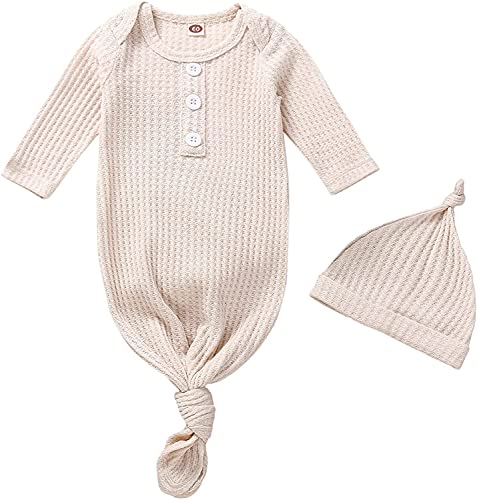
Gender Neutral Coming Home Outfit for Winter: A Complete Guide
Everything parents need to choose a warm, practical, and beautifully neutral take-home outfit for their newborn during cold-weather months.
START READINGBringing a newborn home during winter is a special milestone, and the outfit you choose matters more than many parents realize. A gender neutral coming home outfit for winter needs to balance warmth, safety, ease of changing, and comfort for a baby who has just left the cozy environment of the womb. Whether you are preparing for a hospital discharge or an at-home birth, the right layers make the first journey home smoother for both baby and parents.
This guide walks you through fabric choices, layering strategies, sizing considerations, and practical features that make winter take-home outfits work in real life. You will also find a tier-based comparison to help you evaluate options across the market without relying on transient pricing. By the end, you will understand exactly what to look for and how to assemble a complete outfit that keeps your newborn comfortable from the delivery room to your front door.
Quick note: Newborns cannot regulate their body temperature efficiently. The general rule is to dress your baby in one more layer than you would wear yourself in the same conditions. For a winter coming home outfit, that means a breathable base layer, an insulating middle layer, and a cozy outer layer or blanket.
Why Choose a Gender Neutral Coming Home Outfit
Gender neutral clothing has moved well beyond a trend. Parents choose neutral palettes for practical and personal reasons: they work for future siblings, they photograph beautifully, they simplify gift registries, and they let a baby's personality shine without color-coded expectations. For a winter coming home outfit, neutral tones such as cream, oatmeal, sage, slate, and warm gray also tend to pair effortlessly with blankets, car seat covers, and nursery decor.
If you are still planning your nursery aesthetic, our guides on gender neutral nursery decor and gender neutral nursery ideas can help you align your take-home outfit with the broader visual theme of your baby's space. Many parents find that a cohesive palette makes those first photos feel timeless.
Key Features of a Winter-Ready Take-Home Outfit
A winter coming home outfit is not simply a cute onesie. It needs to perform several jobs at once: keep a newborn warm without overheating, allow quick diaper changes, accommodate car seat harnesses safely, and feel soft against delicate skin. Here are the features that matter most.
1. Fabric That Breathes and Insulates
Cotton is breathable and gentle, making it ideal for the base layer. For insulation, look for brushed cotton, fleece, or merino wool blends. Avoid synthetic fabrics that trap moisture against the skin. If your baby has sensitive skin, consider gender neutral muslin swaddle blankets as an additional breathable layer that can be adjusted easily.
2. Easy Access for Diaper Changes
Newborns need frequent changes, often during the car ride home. Outfits with snap closures along the inseam, two-way zippers, or kimono-style tops reduce the need to undress your baby fully. This is especially important in winter when exposing skin to cold air is uncomfortable.
3. Car Seat Compatibility
Bulky winter coats and thick snowsuits should never be worn under a car seat harness because they create unsafe slack. Instead, dress your baby in thin, warm layers and use a blanket or car seat cover over the harness. This approach keeps the harness snug while maintaining warmth. Our article on gender neutral coming home from hospital outfit covers additional discharge-day logistics.
4. Soft, Tag-Free Construction
A newborn's skin is thin and sensitive. Flat seams, tagless labels, and gentle elastics prevent irritation. Look for outfits that feel soft immediately out of the package without requiring multiple washes to soften.
- Breathable cotton or merino base layer
- Insulating middle layer such as a fleece sleepsuit
- Easy-access closures (snaps or two-way zippers)
- Tagless neck labels and flat seams
- Fold-over mittens to protect tiny nails
- Footed design or warm socks to keep toes cozy
- Neutral color palette that photographs well
How to Layer for Winter Without Overheating
Overheating is a real concern for newborns, and winter layering requires balance. The goal is to trap warmth without causing sweating. A practical three-layer approach works well for most winter climates.
Layer 1: Base Layer
A soft cotton bodysuit or long-sleeve onesie. This layer wicks moisture and sits comfortably against the skin. Choose a neutral color such as cream or light gray.
Layer 2: Insulating Layer
A fleece or brushed-cotton sleepsuit with footed design. This layer provides the primary warmth and should be easy to remove once you are indoors.
Layer 3: Outer Wrap or Blanket
A cozy blanket or car seat cover used over the harness, not under it. This layer is removed as soon as you enter a heated space. A gender neutral newborn take home outfit often includes a matching blanket for this purpose.
Check your baby's temperature by feeling the back of the neck or the chest. If it feels hot or sweaty, remove a layer. If it feels cool, add a thin layer. Avoid relying on hands and feet, which are naturally cooler in newborns.
Sizing Tips for a Coming Home Outfit
Newborn sizing can be unpredictable. Some babies fit into newborn size for only a week, while others skip it entirely. For a coming home outfit, a common approach is to bring two sizes: one newborn and one 0-3 months. This gives you flexibility on discharge day without needing to guess your baby's exact weight and length in advance.
Pay attention to footed sleepsuits, which can run short if your baby has long legs. If you are unsure, choose a footed outfit in the larger size and roll the cuffs if needed. For a deeper look at first-day outfit options, see our guide on gender neutral coming home from hospital outfit.
Comparing Coming Home Outfit Tiers
Coming home outfits vary across the market in construction, fabric quality, and detailing. The table below uses a universal tier system so you can compare options without relying on transient pricing. Each tier reflects the relative position of a product in the market and the features typically associated with it.
| Tier | Typical Features | Best For |
|---|---|---|
| Essential Tier | Basic cotton construction, simple snap closures, limited color range, standard fit | Parents who want a practical, no-fuss outfit for a single season |
| Balanced Tier | Soft brushed cotton or cotton-blend, two-way zippers, tagless labels, broader neutral palette | Families seeking a good balance of comfort, durability, and design |
| Premium Tier | Merino wool blends or organic cotton, flat seams, fold-over mittens, matching blanket sets, refined detailing | Parents who prioritize fabric quality and keepsake-worthy presentation |
There is no single correct tier. The best choice depends on how often you plan to use the outfit, whether you want to keep it as a keepsake, and how much emphasis you place on fabric sourcing. Mid-range options often offer the most balanced combination of comfort and durability for everyday use, while premium tiers shine when fabric quality and long-term wear matter most.
Practical Tips for the Journey Home
The car ride home is often the first extended trip with a newborn. A few small preparations make a big difference. Keep the car warm before placing your baby in the seat, but avoid directing heat vents at the baby's face. Bring a blanket to drape over the car seat after the harness is secured. Pack a spare outfit in case of spit-up or diaper leaks.
If you are still assembling your hospital bag, our article on gender neutral coming home from hospital outfit includes a checklist that pairs well with this guide. For parents planning a winter baby shower or registry, the gender neutral newborn take home outfit guide offers additional context on what to include.
Ready to Choose Your Baby's Coming Home Outfit?
Explore recommended gender neutral winter outfits and practical essentials selected for warmth, comfort, and easy changes.
View Recommended ProductsFrequently Asked Questions
What is the best fabric for a winter coming home outfit?
Cotton is ideal for the base layer because it breathes and feels soft against newborn skin. For insulation, brushed cotton, fleece, or merino wool blends work well. Avoid thick synthetic fabrics that trap moisture. A breathable base layer combined with a removable insulating layer gives you the most control over your baby's temperature.
How many layers should a newborn wear in winter?
A common guideline is one more layer than an adult would wear in the same environment. For a winter coming home outfit, that typically means a base bodysuit, an insulating sleepsuit, and an outer blanket or car seat cover. Remove layers as soon as you are indoors to prevent overheating.
Can a baby wear a winter coat in a car seat?
No. Bulky coats and snowsuits should not be worn under a car seat harness because they create unsafe slack. Instead, dress your baby in thin, warm layers and use a blanket or car seat cover over the harness. This keeps the harness snug and your baby warm.
What size coming home outfit should I buy?
Bring two sizes to the hospital: one newborn and one 0-3 months. Newborn sizing varies widely, and having both options lets you choose the best fit on discharge day without guessing your baby's exact weight and length.
Are gender neutral outfits suitable for winter?
Absolutely. Gender neutral outfits come in the same fabric weights and constructions as gendered options. Neutral palettes such as cream, oatmeal, sage, and slate work well for winter and pair easily with blankets and car seat covers. The key is to focus on fabric and layering rather than color.