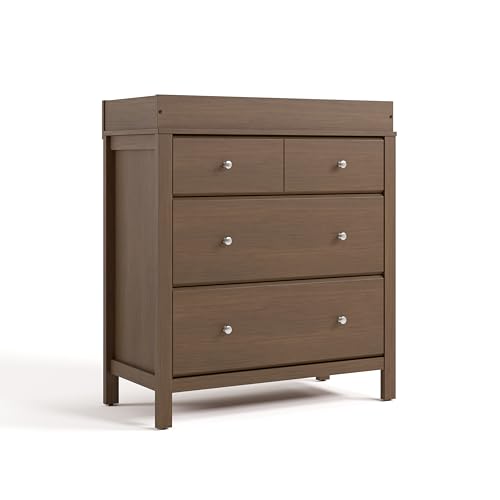
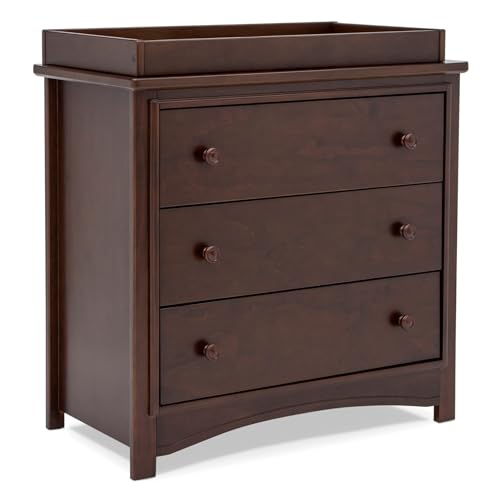
Dresser with Removable Changing Table: The Smart Nursery Investment
A dual-purpose furniture piece that grows with your child — learn how to choose, use, and transition a dresser with removable changing table for a safer, more organized nursery.
Explore Buying GuideWhy this matters: A dresser with a removable changing table combines two nursery essentials into one footprint. You get a dedicated diapering station during the infant months and a long-term storage dresser afterward — without buying separate furniture. This guide walks you through safety standards, topper types, drawer construction, and the transition process so you can decide with confidence.
What Is a Dresser with Removable Changing Table?
A dresser with a removable changing table is a standard nursery dresser paired with a detachable topper that creates a flat, contoured changing surface on top. The topper typically locks onto the dresser with brackets, straps, or a fitted frame, and it can be lifted off once your baby outgrows diapering. What remains is a full-function dresser that serves for years — through toddlerhood, childhood, and beyond.
This design solves a common nursery problem: standalone changing tables have a short useful life. Once a child is potty trained, the changing table becomes dead weight. A dresser with removable changing table top avoids that waste by converting a short-term need into long-term storage. Many parents also pair this setup with drawer organizers to keep onesies, diapers, and wipes neatly separated.
How the Removable Topper Works
- Locking bracket system: The topper clips or screws into the dresser top, keeping it stable during changes.
- Contoured changing pad: Most toppers include a recessed area or removable pad with raised edges to help keep baby centered.
- Safety strap: A waist strap is standard on quality toppers; always use it during every change.
- Tool-free removal: Better designs let you lift the topper off without tools, so transition day is quick and simple.
Some parents prefer a dresser top changing table that sits flush on any flat dresser surface, while others want the integrated security of a purpose-built removable topper. Both approaches work — the key is stability and a proper safety strap.
Why Choose a Dresser with Removable Changing Table?
Parents researching this furniture category usually fall into one of two groups: those setting up a small nursery and those who want furniture that survives beyond the baby stage. A removable changing table dresser addresses both concerns.
Space Efficiency
One piece of furniture does the job of two. In a compact nursery, eliminating a standalone changing table frees floor space for a rocking chair, play mat, or extra storage. The dresser footprint stays constant, and the changing surface sits directly on top — no extra depth required.
Long-Term Use
Once the topper comes off, you have a clean-top dresser for clothing, toys, and linens. That transition typically happens between 12 and 24 months, depending on your child's size and mobility. Compared with a dedicated changing table, the dresser delivers far more years of service.
Organization Built In
Diapers, wipes, creams, and spare outfits all live in the drawers directly below the changing surface. That proximity reduces mid-change disruptions. Deep drawers handle sleepers and blankets, while shallower top drawers keep small items accessible. Pairing the dresser with drawer organizers makes the setup even more efficient.
Editorial tip: Measure your nursery wall space before buying. A dresser with a removable changing table typically ranges from 30 to 55 inches wide. Leave at least 15 inches of clearance on the changing side so you can stand comfortably during diaper changes.
Buying Guide: What to Look For
Not all convertible changing dressers are built to the same standard. Use the criteria below to separate solid construction from furniture that may wobble, chip, or fail under daily use.
1. Safety and Stability
- Anti-tip anchoring: The dresser must include a wall-anchoring kit. Use it. Tip-over incidents are preventable, and anchoring is non-negotiable in a nursery.
- Topper locking mechanism: The removable top should lock firmly to the dresser. Avoid toppers that merely rest on the surface.
- Safety strap and contoured pad: Look for a waist strap and a pad with raised sides. Replace the pad if it cracks or loses shape.
- Sturdy drawer glides: Metal glides with a stop mechanism prevent drawers from pulling fully out and tipping the unit.
2. Drawer Construction
Drawer quality separates entry-level dressers from premium models. Entry-level units often use stapled particleboard drawers with basic nylon glides. Mid-range dressers step up to dovetail or reinforced joints and metal ball-bearing glides. High-end tier furniture adds soft-close hardware, solid wood drawer boxes, and thicker side panels.
Open and close every drawer before buying. They should glide smoothly without wobble, and the drawer fronts should align evenly. If you are shopping online, read reviews that specifically mention drawer alignment after several months of use.
3. Topper Design and Transition Ease
Check how the topper attaches and detaches. Tool-free lift-off designs are easiest for transition day. Some toppers double as a changing station with side pockets for diapers and wipes, which is convenient but adds bulk. Measure the combined height of the dresser plus topper — the changing surface should sit at a comfortable height for the caregiver, typically around waist level.
4. Finish and Materials
Nursery furniture takes a beating. Choose finishes that wipe clean easily and resist moisture. Painted finishes look crisp but can chip on drawer edges; laminated surfaces are durable but show scratches. Solid wood and high-grade engineered wood with a quality veneer offer a good balance. Avoid strong chemical odors when unboxing — a sign of low-grade finishes.
5. Size and Storage Capacity
Consider what you need to store now and later. A six-drawer dresser handles diapers, clothing, and bedding during the baby stage and converts easily to clothing and toy storage later. Three-drawer models are compact but may fill quickly. Measure your nursery doorway and stairwell before ordering a large unit.
| Tier | Best For | Typical Construction | Topper Features |
|---|---|---|---|
| Essential tier | Short-term nursery setups and secondary homes | Engineered wood, basic glides, painted finish | Simple locking brackets, basic pad, waist strap |
| Mid-tier | Everyday family use with long-term plans | Reinforced joints, metal ball-bearing glides, veneer finish | Tool-free topper removal, contoured pad, side storage pockets |
| Premium tier | Heirloom-style nurseries and frequent daily use | Solid wood drawer boxes, soft-close hardware, durable finish | Precision-fit locking frame, premium pad, integrated organizers |
Within each tier, good value for its class means the hardware and topper mechanism match the price position. A mid-tier dresser with premium glides is often a smarter long-term investment than a premium dresser with basic hardware.
Safe Setup and Daily Use
Safety with a changing dresser comes down to setup and habit. Follow these steps to reduce risk:
- Anchor the dresser to the wall immediately after assembly, even if your child is not yet mobile.
- Lock the topper before every use. If it shifts or rattles, stop and reattach it.
- Keep one hand on your baby during every change. Never step away, even briefly.
- Store supplies within reach but out of your baby's grasp — diapers and wipes on the topper shelf or in the top drawer work well.
- Check hardware monthly. Tighten screws on the topper brackets and drawer glides as part of a routine safety check.
If you use a portable changing pad on top of the dresser instead of a fitted topper, choose one with raised edges and a non-slip base. A dresser top changing table with a contoured surface offers more stability than a flat pad alone.
When and How to Remove the Changing Table
The right time to remove the topper depends on your child's development, not a fixed age. Signs it is time to transition include:
- Your baby actively rolls, pushes up, or tries to sit during changes.
- Your child approaches or exceeds the weight limit listed on the topper (commonly around 30 pounds).
- Diaper changes become a wrestling match — a floor mat or bathroom setup may be safer.
To transition, clear the topper of supplies, unfasten the locking brackets or straps, and lift it off. Wipe the dresser top, and consider adding a mirror or decorative tray to finish the new look. The dresser is now a standard storage piece.
If you are keeping the topper for a future child, store it flat in a dry space and keep the hardware in a labeled bag. Labeling the screws and brackets saves time when you reassemble it.
For parents planning a second nursery later, the same dresser can return to diapering duty with the topper reattached. This reusability is one of the strongest arguments for choosing a removable design over a fixed changing table.
Common Mistakes to Avoid
- Skipping the wall anchor. This is the single most common and most dangerous oversight.
- Buying a topper that does not lock. A loose topper can slide during a change.
- Overlooking drawer glide quality. Cheap glides fail first and make the whole dresser feel unstable.
- Ignoring the height. A changing surface that is too low strains your back; too high risks loss of control.
- Storing heavy items in top drawers. Keep weight low to improve stability.
Parents who plan carefully during the research phase avoid most of these issues. If you are comparing convertible options, the dresser with removable changing table top format offers a good balance of safety and flexibility.
Frequently Asked Questions
What is a dresser with removable changing table?
It is a nursery dresser with a detachable changing topper that locks onto the top surface. During the diapering years, it functions as a changing station. After the topper is removed, it becomes a standalone dresser for long-term storage.
Is a dresser with removable changing table safe for newborns?
Yes, when installed and used correctly. Anchor the dresser to the wall, lock the topper before each use, use the safety strap, and keep one hand on your baby at all times. Never leave a baby unattended on the changing surface.
How long can I use the changing table attachment?
Most toppers support infants up to around 30 pounds or until the child begins actively rolling and pushing up. At that point, switch to floor changing or a bathroom setup and remove the topper.
Do I need a separate changing table if I buy this dresser?
No. The removable topper serves as your changing station, so you can skip a standalone changing table entirely. This saves floor space and reduces the number of furniture pieces in the nursery.
What should I look for in a dresser with removable changing table?
Prioritize anti-tip wall anchoring, a topper that locks securely, a contoured changing pad with a waist strap, smooth metal drawer glides with stops, and a finish that wipes clean easily. Check that the changing height is comfortable for the primary caregiver.
Final Thoughts
A dresser with removable changing table is one of the most practical nursery furniture decisions you can make. It handles the diapering years, then transitions into a storage piece your child uses for years. Focus your research on anchoring hardware, topper locking design, and drawer construction — those three factors separate furniture that lasts from furniture that wobbles within months. With the right unit and consistent safety habits, you get a safer nursery and a smarter long-term investment.