
Breastfeeding Pain: Causes & Relief
Discover effective solutions for sore nipples, engorgement, and clogged ducts. Find the best products to make your breastfeeding journey comfortable and rewarding.
Understanding Breastfeeding Pain
Breastfeeding is a beautiful bonding experience, but it can also come with challenges. Many new mothers experience some form of breastfeeding pain, especially in the early weeks. Understanding the common causes and knowing how to address them can make a significant difference in your comfort and success. This guide covers the most frequent types of breast and nipple pain, practical relief strategies, and the top products—from nipple creams to breast pumps—that can help you breastfeed with confidence.
💡 Did you know? Up to 90% of new mothers experience some nipple soreness in the first week. However, with the right support and tools, you can effectively manage and prevent most breastfeeding discomforts.
Common Causes of Breastfeeding Pain
Identifying the root cause of your pain is the first step to finding relief. Here are the most common culprits:
- Poor Latch: An improper latch is the leading cause of nipple pain and damage. When your baby doesn't latch deeply, they may rub or compress your nipples, leading to soreness, cracks, or blisters.
- Engorgement: When your breasts become overly full with milk, they can become hard, swollen, and painful. This often happens in the early days when your milk supply is regulating.
- Clogged Milk Ducts: A blocked duct can cause a tender lump in your breast. It's often accompanied by localized pain and may be caused by infrequent feeding, tight clothing, or pressure on the breast.
- Thrush (Yeast Infection): A fungal infection can cause burning, stabbing, or itching pain in the nipples and breast tissue. It may be accompanied by white patches in your baby's mouth.
- Mastitis: An inflammation of the breast tissue, often due to an infection. It causes flu-like symptoms, fever, and a red, painful area on the breast. This requires prompt medical attention.
If you're experiencing severe pain, fever, or signs of infection, always consult a lactation consultant or healthcare provider for personalized advice.
Effective Relief & Best Products for Breastfeeding Pain
From soothing creams to supportive pillows, the right products can significantly reduce discomfort. Below are curated recommendations to address different types of breastfeeding pain.
For Sore & Cracked Nipples
Lanolin-based nipple creams are a go-to for soothing and healing. Look for 100% pure, medical-grade lanolin that's safe for baby. Applying a small amount after each feeding can provide instant relief and promote skin repair.
Tip: Express a few drops of breast milk and let it air-dry on your nipples—it has natural antibacterial properties.
For Engorgement & Clogged Ducts
A high-quality breast pump is essential for relieving engorgement and maintaining supply. A hospital-grade or double electric pump can effectively drain milk. Additionally, using a warm compress before feeding or pumping can help milk flow more easily.
Tip: Gently massage any hard lumps toward the nipple while feeding or pumping.
For Proper Positioning & Latch
A nursing pillow supports your baby at the correct height, reducing strain on your back and shoulders and helping achieve a deeper latch. Look for one with an adjustable strap to keep it secure around your waist.
Tip: Position your baby's nose to your nipple—this encourages a wide, asymmetrical latch.
For Comfort & Protection
Breast shells and nipple shields can protect sensitive nipples from friction and allow them to heal. Gel pads (chilled or room temperature) provide immediate cooling relief and can be reused.
Tip: Ensure any product you use is made from safe, BPA-free materials and is properly sterilized.
Remember, every mother and baby are unique. What works for one may not work for another. It's a good idea to have a few different products on hand to try, and don't hesitate to ask for support from a lactation professional.
Choosing the Right Products for Your Comfort
When you're dealing with breastfeeding pain, the right tools can be life-changing. Here's what to look for in the key categories:
Nipple Creams & Ointments
Opt for lanolin-based creams, coconut oil, or specialized nipple balms. Avoid those with added fragrance, parabens, or preservatives. Many are designed to be safe for baby and don't require washing off before feeding. If you have sensitive skin, test a small amount first.
Breast Pumps
For engorgement and maintaining supply, a double electric breast pump is highly efficient. If you're pumping occasionally, a manual breast pump or a haakaa (silicone pump) can be a gentle and effective choice. Look for pumps with adjustable suction levels and soft flange cushions for comfort.
Nursing Pillows
A good nursing pillow is not just about comfort; it's about ergonomics and latch. Choose one that is firm enough to support your baby's weight, has a washable cover, and fits your body shape. Some pillows are designed for specific positions like the "football hold" or "cradle hold."
Cold & Warm Therapy
Reusable gel packs are versatile—use them chilled to reduce inflammation and numb pain, or warm them to encourage milk flow before a feed. Many are shaped to fit comfortably around the breast.
For more detailed information on specific products, check out our dedicated guides on breast milk storage and manual breast pumps.
Practical Tips for a Pain-Free Experience
- Check the Latch: A deep, asymmetrical latch is key. Your baby's mouth should cover a large portion of the areola, not just the nipple. Their lips should be flanged out.
- Frequent Feeding: Feed your baby on demand, at least 8-12 times in 24 hours. This prevents engorgement and ensures a good milk supply.
- Vary Positions: Try different breastfeeding positions (cradle, cross-cradle, football, side-lying) to drain different parts of the breast and reduce the risk of clogged ducts.
- Use Breast Milk: After feeding, express a few drops of breast milk and gently rub it into your nipples. Let them air-dry to prevent cracking.
- Stay Hydrated & Eat Well: Your body needs plenty of fluids and nutrients to produce milk and heal. Dehydration can contribute to pain and fatigue.
- Seek Support: Don't suffer in silence. A lactation consultant can observe a feed and provide hands-on help. Many hospitals offer free or low-cost consultations.
🩺 When to See a Doctor: If you experience a fever, chills, a red streak on your breast, or intense pain that doesn't improve with home care, contact your healthcare provider immediately. These could be signs of mastitis, which requires antibiotics.
Top Products for Breastfeeding Pain Relief
⚠️ AFFILIATE DISCLOSURE: This website contains affiliate links. As an Amazon Associate, we earn from qualifying purchases. If you make a purchase through these links, we may receive a small commission at no additional cost to you. Read our full affiliate policy.

Lansinoh Breast Therapy Packs with Soft Covers, 2 Pack | Hot and Cold Breast Pads Postpartum Essentials for Nipple Pain Relief, Mastitis, Engorgement, Breastfeeding & Pumping Support

Medela Soothing Hydrogel Pads for Nipples, Reusable 24 Hours, Pack of 4 | Instant Pain Relief for Breastfeeding & Pumping, Dermatologically Tested, Individually Wrapped, Breastfeeding Essentials

Frida Saline Spray for Cracked Nipples, Spray to Heal Sore, 2 fl oz | Breastfeeding Essential for New Moms, Gentle for Baby and Mom, Heals Sore, Cracked Nipples

Frida Nursing Pads, Cooling Hydrogel Nipple Pads for Hydration, 8ct | For Hydration and Soothing Sore Nipples, Breastfeeding Essential for New & Nursing Moms

Koala Babycare The Original Silver Nursing Cups - Nipple Shields for Breastfeeding Newborn - Breastfeeding Essentials - Protect and Soothe - Tri-Laminate Silver - Standard Size
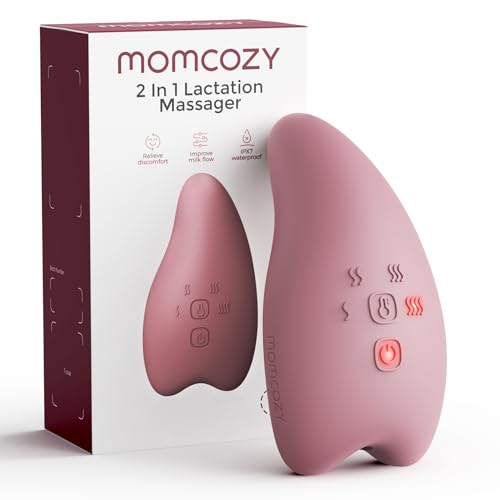
Momcozy A1Pro Lactation Massager with Heat, Deep Vibration, Cozy Red, 1PCS | Rapid Heating, Clog Relief, Efficient Pumping, Breastfeeding Essentials, Memory Function, Fast Charging, Nursing, Soothing

Earth Mama Organic Nipple Butter, Lanolin-Free Breastfeeding Cream, 2 fl oz | Lanolin-Free Nipple Cream for Breastfeeding, Cracked & Sore Nipples, Pump Flanges - Breastfeeding & Hospital Bag Essentials

Momcozy Larger Breast Therapy Packs,Breastfeeding Essentials,Postpartum 2PK | Hot and Cold Breast Pads with 2 Soft Covers, Postpartum Recovery
Disclaimer
Baby product selection and parenting decisions involve personal preferences and individual circumstances. The information provided on CradleCheck is for educational and informational purposes only. We are not medical professionals, and our content should not replace professional medical advice, diagnosis, or treatment. Always consult with your pediatrician or healthcare provider regarding your baby's health and safety. Some content may use AI assistance. Always check product safety standards and recalls before purchasing. If you do not agree, please do not use this website. Read the full disclaimer.