
Baby Seat Buying Guide & Safety Tips
Find the perfect baby seat for your child’s age, weight, and your lifestyle. From infant carriers to convertible and booster seats — we help you choose with confidence.
Shop Top-Rated Baby SeatsWhy Choosing the Right Baby Seat Matters
A baby seat is one of the most essential purchases you'll make for your child. It ensures their safety during car rides and provides comfort during travel. With so many options available — infant car seats, convertible seats, all-in-one seats, and booster seats — it can be overwhelming to decide which one is right for your family.
This guide will walk you through the different types of baby seats, key safety features to look for, installation tips, and budget considerations. By the end, you'll have all the knowledge you need to make an informed decision and choose a seat that fits your child's needs and your vehicle.
Whether you're a first-time parent or looking to upgrade as your child grows, our comprehensive baby gear section offers additional resources to help you prepare for parenthood.
Types of Baby Seats Explained
Understanding the different categories of baby seats is the first step in making the right choice. Here’s a breakdown of the most common types:
1. Infant Car Seats (Rear-Facing Only)
Designed for newborns and small infants (typically up to 22–35 lbs), these seats are rear-facing only and come with a detachable base that stays in the car. They are portable and can be clicked into a stroller, making them ideal for parents on the go. Most infant seats have a carrying handle and are compatible with travel systems.
2. Convertible Car Seats
Convertible seats grow with your child. They start as rear-facing for infants and can be turned forward-facing for toddlers. They usually support children from 5 to 65 lbs or more. These seats are heavier and stay installed in the car, so they are a great long-term investment.
3. All-in-One (3-in-1) Car Seats
These versatile seats transition from rear-facing (5–40 lbs) to forward-facing (22–65 lbs) and finally to a booster seat (40–120 lbs). They are designed to last from infancy through the booster years, offering excellent value for money.
4. Booster Seats
For older children who have outgrown their forward-facing car seats, booster seats help position the vehicle's seat belt correctly across the child's lap and shoulder. There are high-back boosters and backless boosters, each suited for different vehicle types and child sizes.
If you're also looking for other travel essentials, check out our guide on strollers and baby carriers to complete your mobility setup.
Key Safety Features to Look For
When shopping for a baby seat, safety should be your top priority. Here are the critical features to evaluate:
- 5-Point Harness: Secures your child at the shoulders, hips, and between the legs. Always choose a seat with a 5-point harness for the best protection.
- Side-Impact Protection: Look for seats with energy-absorbing foam and deep side wings to protect your child's head and torso in a side collision.
- LATCH System: The Lower Anchors and Tethers for Children system makes installation easier and more secure. Ensure your seat has easy-to-use LATCH connectors.
- Adjustable Headrest and Harness: A no-rethread harness allows you to adjust the height of the harness and headrest together, making it easier to get a perfect fit as your child grows.
- Easy-to-Read Level Indicators: Proper angle is crucial for rear-facing seats. Built-in level indicators help you install the seat at the correct recline angle.
Remember, the safest baby seat is one that is correctly installed and used every time. Always read the manual and follow the manufacturer's instructions.
For more safety tips, visit our baby proofing guide and learn how to create a safe environment for your little explorer.
Installation & Usage Tips
Even the best baby seat won't protect your child if it's not installed correctly. Here are some professional tips to ensure a safe and secure installation:
- Read the Manual: Both the car seat manual and your vehicle's owner's manual are essential. They contain specific instructions for your seat and car.
- Use the LATCH System or Seat Belt: Choose one method and stick to it. Do not use both unless your car and seat allow it. Make sure the seat is tightly secured — it should not move more than an inch side-to-side or front-to-back.
- Check the Recline Angle: For rear-facing seats, the newborn recline angle is usually between 30–45 degrees. Use the built-in level indicator to get it right.
- Harness Tightness: The harness should be snug. You should not be able to pinch any slack in the harness strap at the child's collarbone. The chest clip should be at armpit level.
- Get Your Seat Inspected: Many local fire stations, hospitals, and police departments offer free car seat inspection services. Take advantage of this to ensure your installation is correct.
Proper installation gives you peace of mind every time you hit the road. If you're planning a long trip, consider our travel tips in the travel systems guide.
Budget Guide: How Much Should You Spend?
Baby seats range from budget-friendly options to premium models with advanced features. Here’s a general price breakdown to help you plan:
- Infant Car Seats: Typically range from $80 – $250. Higher-priced models often include extra padding, better fabrics, and easier installation.
- Convertible Car Seats: Priced between $100 – $400. More expensive seats offer longer weight limits, more adjustability, and premium safety features.
- All-in-One Seats: Usually cost $150 – $500. These are the most versatile and cost-effective over the long run, as they cover multiple stages.
- Booster Seats: Range from $20 – $150. High-back boosters with additional safety padding are at the higher end.
Remember, a higher price doesn't always mean better safety. All car seats sold in the US must meet federal safety standards. Focus on features that matter most to you and your child's comfort.
For more on budgeting for baby essentials, check out our baby on a budget guide.
Top-Rated Baby Seats
⚠️ AFFILIATE DISCLOSURE: This website contains affiliate links. As an Amazon Associate, we earn from qualifying purchases. If you make a purchase through these links, we may receive a small commission at no additional cost to you. Read our full affiliate policy.

Fisher-PriceSit-Me-Up Floor Seat, Rainbow Showers

Ingenuity Keep Cozy 3-in-1 Grow with Me Vibrating Baby Bouncer, Seat & Infant to Toddler Rocker, Vibrations & -Toy Bar, 0-30 Months Up to 40 lbs (Weaver)

Ingenuity Baby Base 2-in-1 Booster Feeding and Floor Seat with Self-Storing Tray - Night Sky

Bright Starts Baby Bouncer Soothing Vibrations Infant Seat - Removable -Toy Bar, Nonslip Feet, 0-6 Months Up to 20 lbs (Safari Fun)

Inflatable Baby Seat with Built-in Pump and Back Support, Brown Bear

Ingenuity Baby Base 2-in-1 Booster Feeding & Floor Seat, Self-Storing Tray
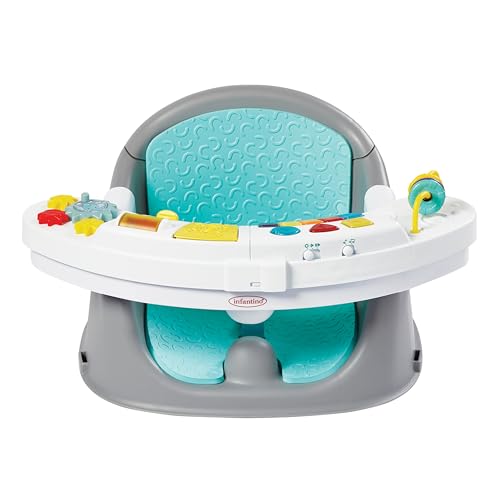
Infantino Music & Lights 3-in-1 Discovery Seat & Booster, Teal | 3-in-1 discovery seat. Grows from playtime to mealtime for little ones. From 4 months to 4 years, Up to 33 lbs

Ingenuity Baby Base 2-in-1 Booster Feeding and Floor Seat with Self-Storing Tray - Slate
Disclaimer
Baby product selection and parenting decisions involve personal preferences and individual circumstances. The information provided on CradleCheck is for educational and informational purposes only. We are not medical professionals, and our content should not replace professional medical advice, diagnosis, or treatment. Always consult with your pediatrician or healthcare provider regarding your baby's health and safety. Some content may use AI assistance. Always check product safety standards and recalls before purchasing. If you do not agree, please do not use this website. Read the full disclaimer.